Home / Books / Slovenia & Uzbekistan

BILATERAL NAVIGATOR

Slovenia & Uzbekistan

The Ultimate Resource for Diplomats and Business Leaders

Bilateral Similarity Index BSX: 53%
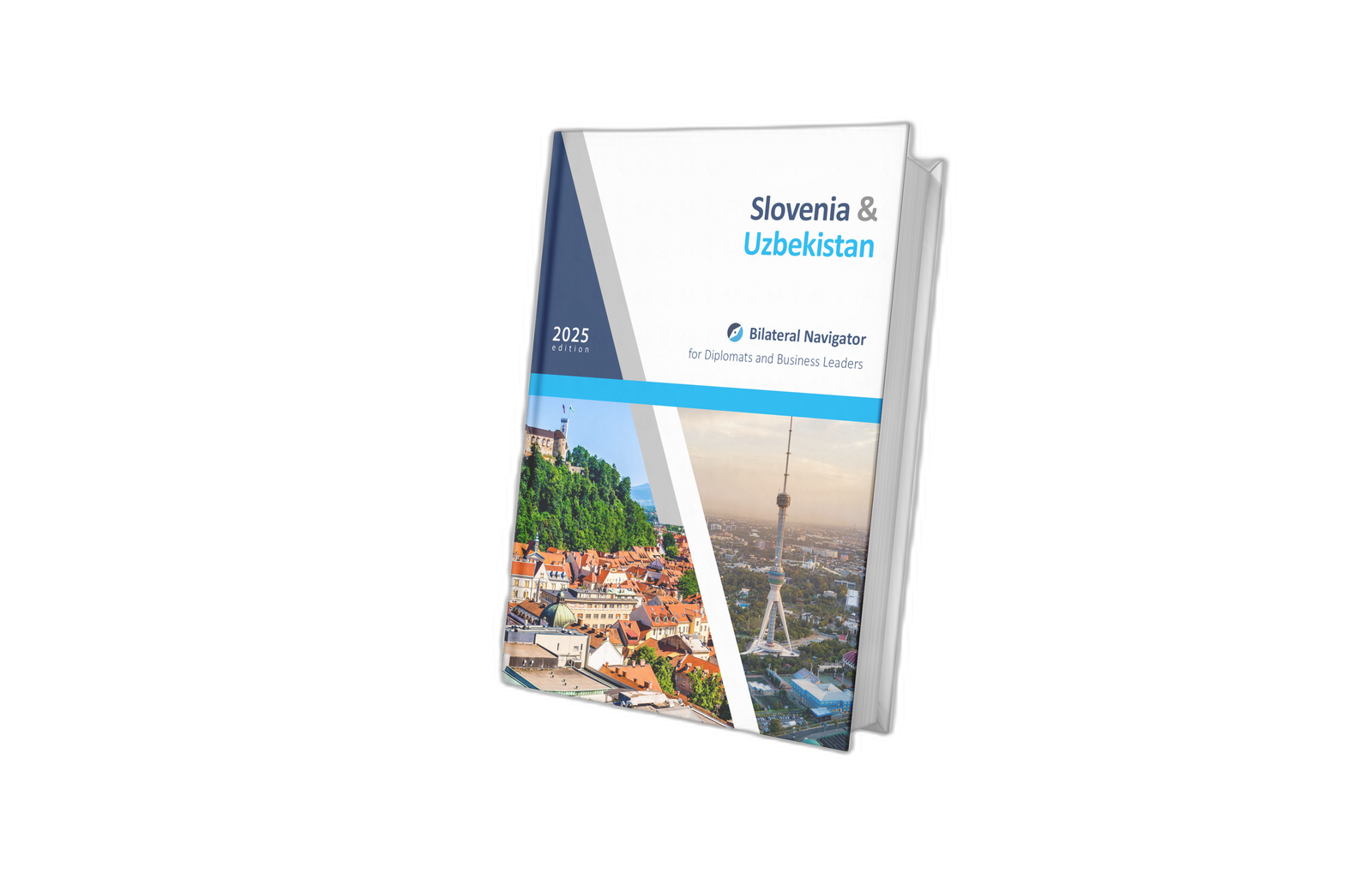
image of a book
list of countries

Curious about how Slovenia and Uzbekistan have the highest similarity in athletic achievements?

Our team has distilled insights from 40 areas into a visually appealing 300-page, full-color hardcover report!
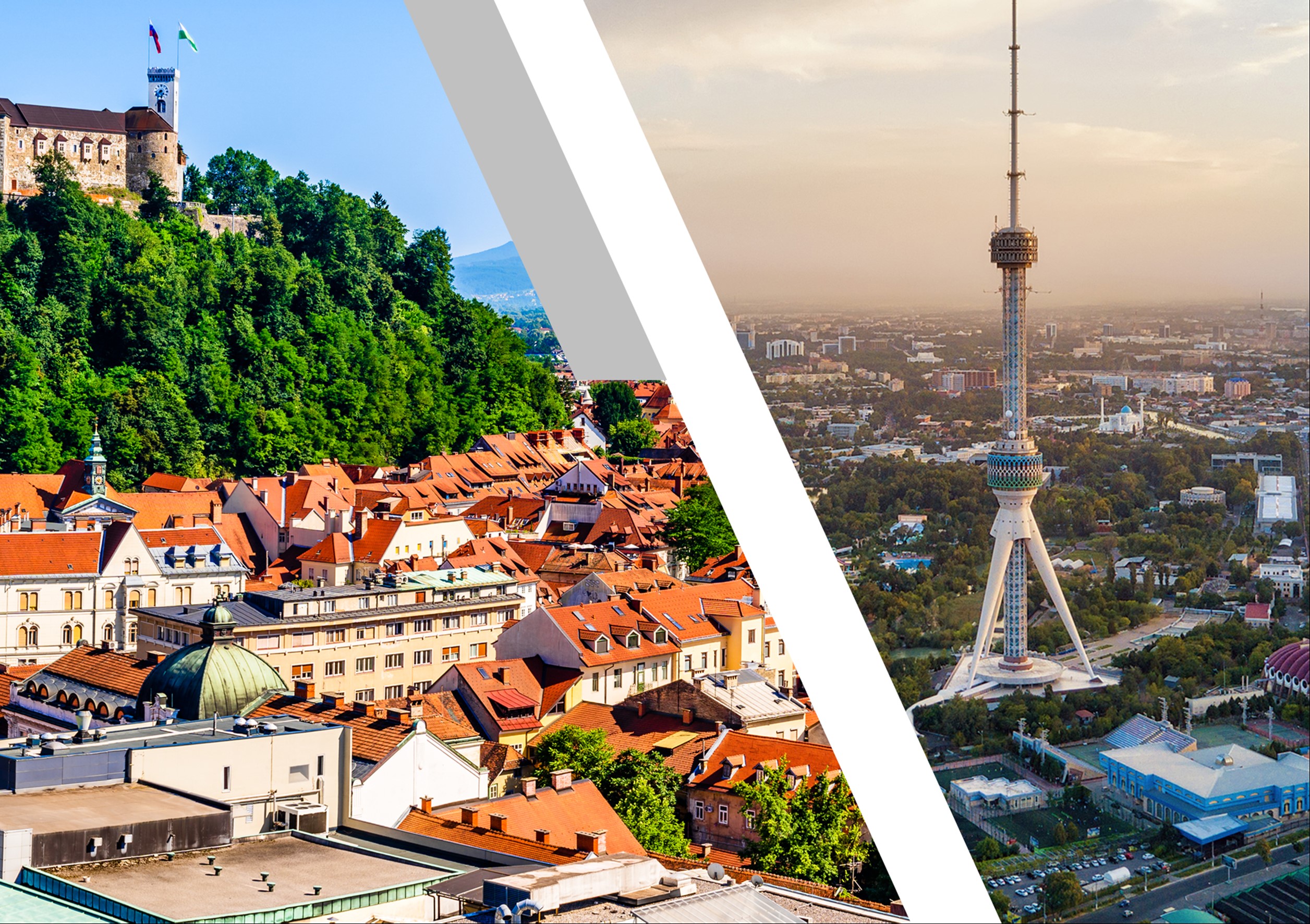
Geographic Features of Slovenia

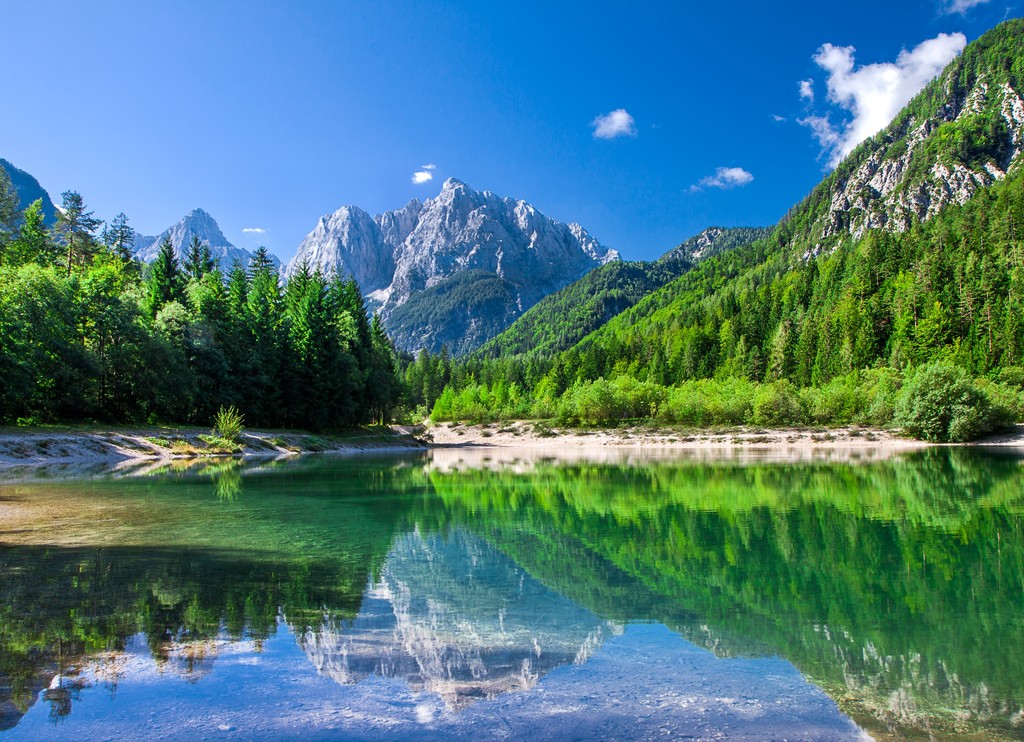
Geographic Features of Slovenia

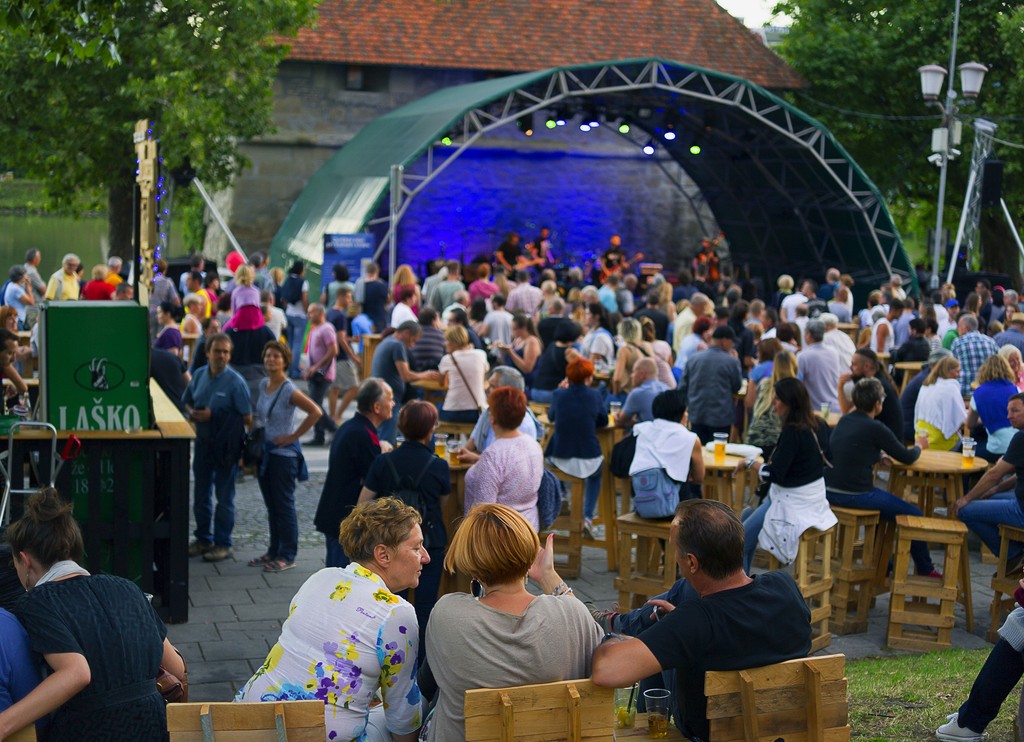
Despite its compact size, Slovenia holds an enviable position at the intersection of major geographic zones, providing its people with a remarkable range of landscapes. The Adriatic Sea graces its coastline while the Dinaric Alps, Julian Alps, and Pohorje mountains paint dramatic backdrops, forming the stage for diverse ecosystems that shelter a staggering array of flora and fauna.

Uzbekistan: A Unique Landlocked Giant

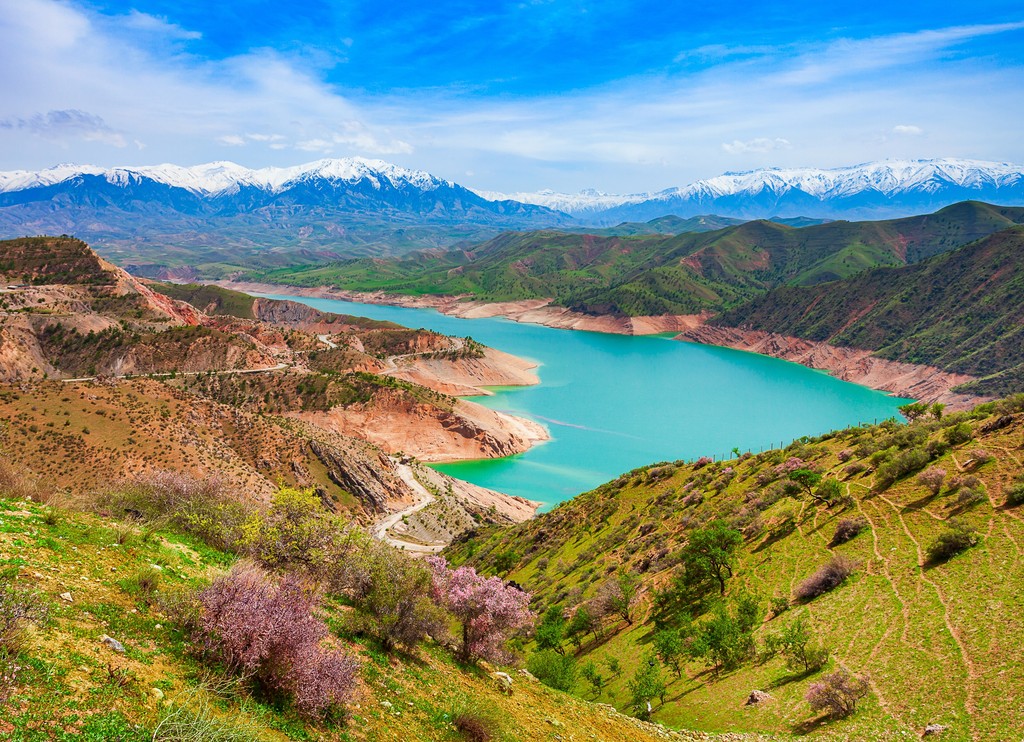
Uzbekistan: A Unique Landlocked Giant

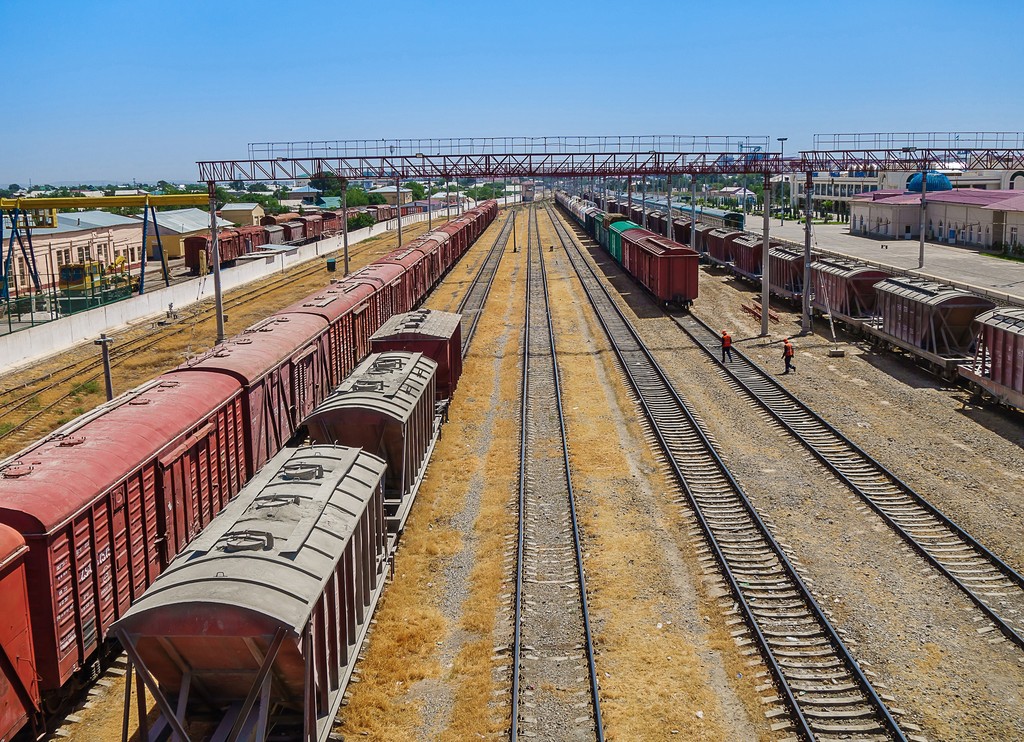
Uzbekistan, a landlocked giant in Central Asia, stands apart with its vast territory and remarkable geographical features. Its 440,650 square kilometers of land form the world’s 56th largest country, yet it is one of only two doubly landlocked nations—completely enclosed by landlocked neighbors.

Slovenia: Economic Luminary

Slovenia: Economic Luminary

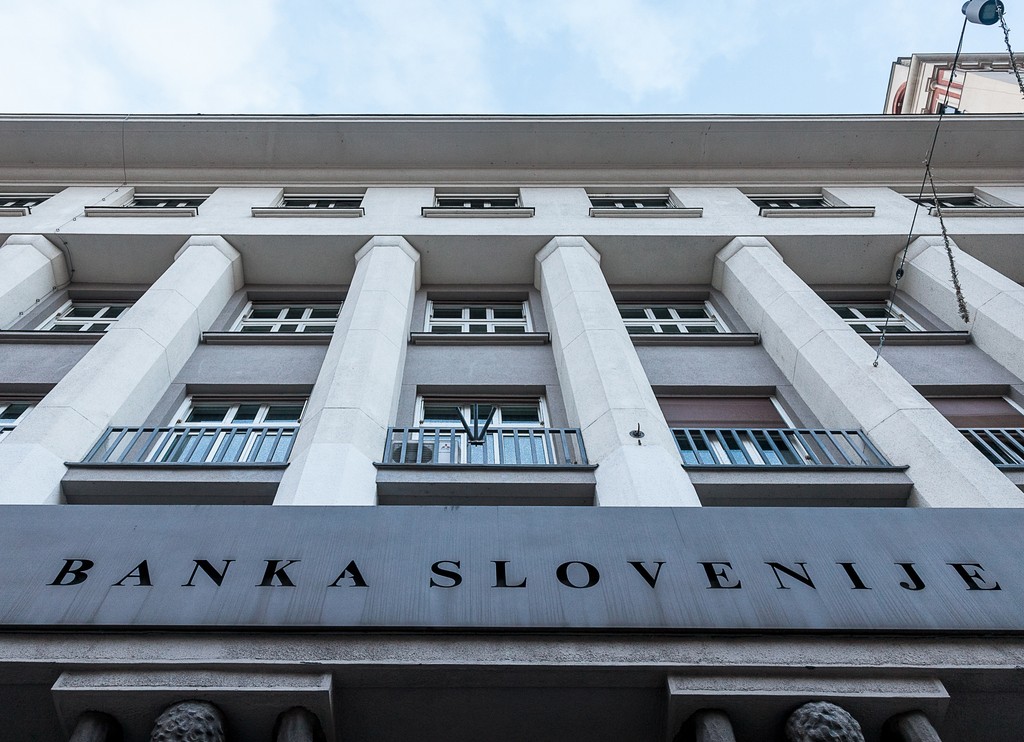
Slovenia stands out in Europe as an economic leader, characterized by robust and consistent growth, a favorable business climate, and strategic international connections. Its strong GDP growth rate, coupled with impressive GNI growth, attests to its economic vitality, driven by diverse sectors such as industry (32.

Uzbekistan's Flourishing Economy

Uzbekistan's Flourishing Economy

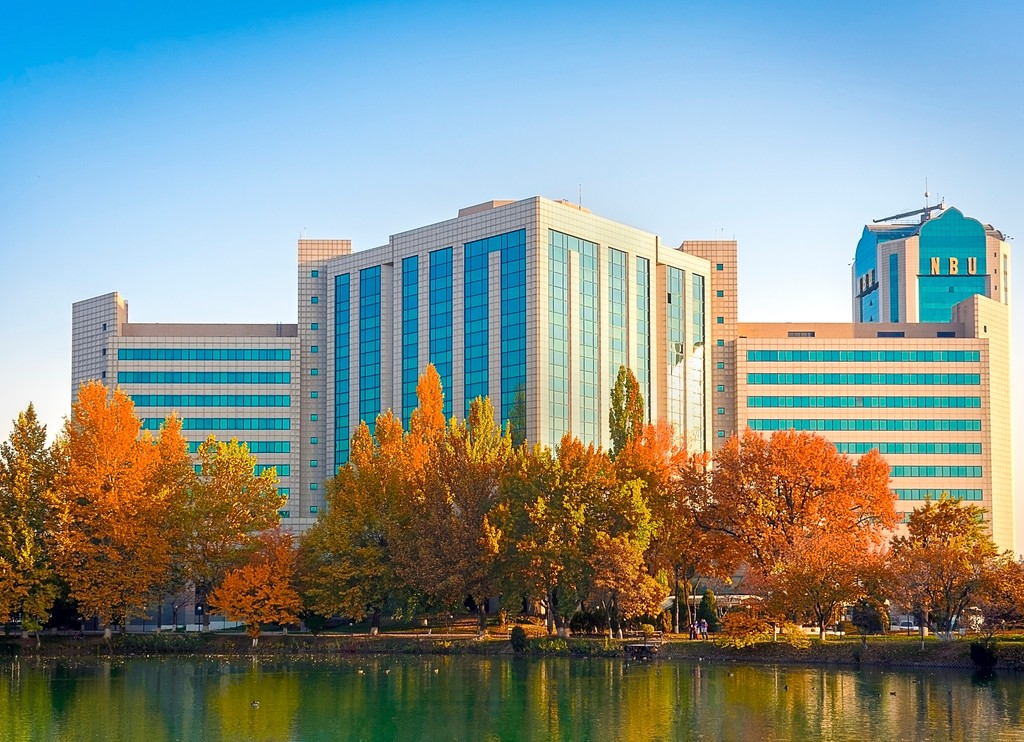
Uzbekistan's economy is on a steady trajectory of growth, driven by a solid foundation in industry and agriculture. As the fifth-largest economy in Central Asia, Uzbekistan's strategic geographic location plays a pivotal role in regional and global trade, providing the country with ample opportunities.

LEADERSHIP

Leadership Timeline

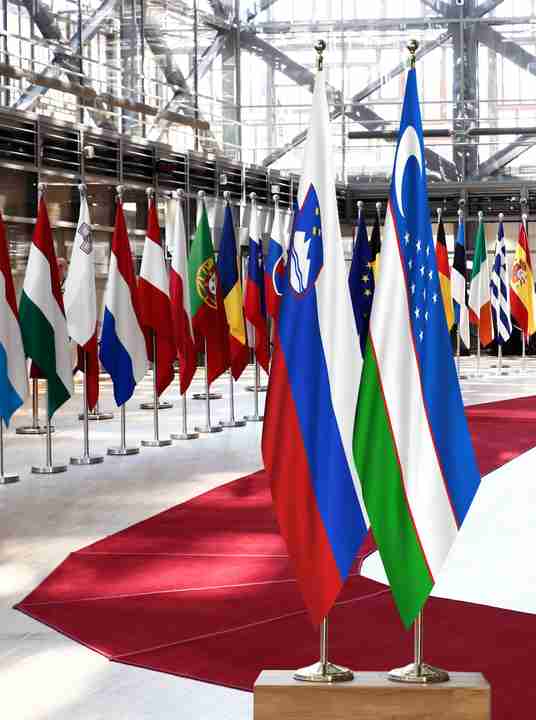
Slovenia Uzbekistan Flags
We have created a shared timeline for both Slovenia and Uzbekistan, allowing you to compare their leadership chronologically. For Slovenia, we have collected data on 15 Prime ministers, 9 Chairmen of the Executive Council, and 26 other high-ranking officials since 1918. In Uzbekistan, we have gathered information on 21 Khans, 14 Chairmen of the Communist Party, and 75 other high-ranking officials since 1681.
Nataša Pirc Musar

Nataša Pirc Musar

President

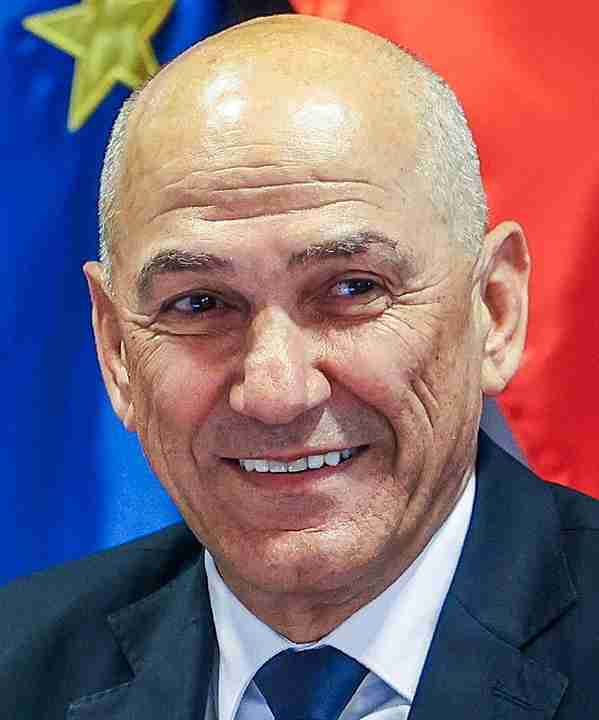
Janez Janša

Janez Janša

Prime Minister

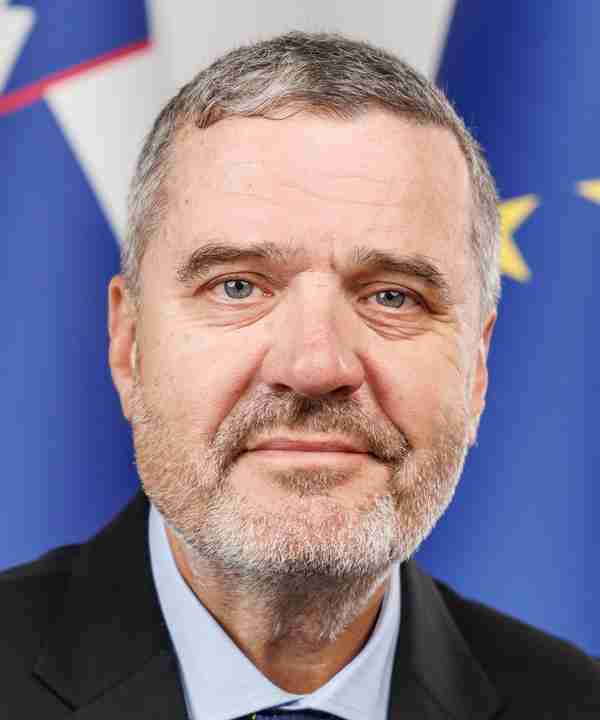
Tone Kajzer

Tone Kajzer

Minister of Foreign Affairs

Shavkat Mirziyoyev

Shavkat Mirziyoyev

President

Abdulla Aripov

Abdulla Aripov

Prime Minister

Bakhtiyor Odilovich Saidov

Bakhtiyor Odilovich Saidov

Minister of Foreign Affairs
Loading...
Uzbekistan's Thriving Mosaic

Uzbekistan's Thriving Mosaic

Nestled in Central Asia, Uzbekistan stands out as a vibrant and diverse tapestry of ethnicities and religions. With over 35 million people from myriad backgrounds, it is the region's most populous nation, boasting a youthful demographic profile and an average age of just 30.

Slovenia's Enduring Promise

Slovenia's Enduring Promise

Nestled in the heart of Central Europe, Slovenia stands as a unique demographic haven, with a harmonious blend of traditional values and a modern outlook. Slovenia’s relatively small population of 2.

Uzbekistan's Global Trade Dynamics

Uzbekistan's Global Trade Dynamics

Uzbekistan's trade network reflects a balanced exchange of goods and services, creating a resilient economic profile. Its top export partners include China, Russia, and Turkey, indicating the nation's strong presence in regional trade within Central Asia and beyond.

Slovenia's Advantageous Trade Profile

Slovenia's Advantageous Trade Profile

Slovenia's trade profile presents a strong foundation for its economy, with key characteristics that set it apart in the global trade landscape. Notably, its exports as a percentage of GDP rank among the highest globally, highlighting the country's strong export-oriented approach.

What's Inside the "Slovenia & Uzbekistan" Report?

Each Bilateral Navigator report is a vital resource for diplomats and business leaders, offering quick insights into a foreign country through comparison with their own. By analyzing 40 key areas, we calculate the similarities between Slovenia and Uzbekistan, covering topics like geography, economy, international relations, and culture. This empowers you to confidently engage in a new country, impressing your hosts with data-driven knowledge while celebrating the bilateral relationship rather than focusing on one country alone.

1. Geopolitical Context: Compare the geography, demographics, and transport systems of Slovenian and Uzbekistani regions to uncover strategic advantages and shared interests.

2. Economic Synergy: Explore Slovenia and Uzbekistan's economic outputs, trade relations, investments, and tourism flows, highlighting complementary strengths.

3. Green Partnership: Examine how the countries align in agricultural practices, energy production, and environmental policies, advancing sustainability together.

4. Human Empowerment: Analyze the healthcare and education systems of both Slovenia and Uzbekistan, along with social equity and gender balance efforts, spotlighting progress in human development.

5. Innovation Nexus: Explore high-tech sectors, shared skills, and educational exchanges between Slovenians and Uzbekistanis, showcasing their roles in global innovation.

6. Political Landscape: Discover the governance structures, historical leadership trends, and security policies of Slovenia and Uzbekistan, shedding light on their political paths.

7. Diplomatic Cooperation: Review the diplomatic network between Slovenia and Uzbekistan, their multilateral treaties, and how closely they align in UN voting patterns, providing insight into their international relations.

8. Business Networking: Understand the professional exchanges and key industries that connect Slovenian and Uzbekistani business communities, identifying opportunities for collaboration.

9. Communication & Media: Compare Slovenia and Uzbekistan's media landscapes, including telecom, social media engagement, and notable public figures historically or contemporarily connecting the two countries.

10. Shared Passions: From cultural heritage to sports achievements and cuisine, explore the cultural elements that bring Slovenians and Uzbekistanis together, highlighting areas of shared interest and enjoyment.