
North Korea & Suriname
The Ultimate Resource
for Diplomats and Business Leaders

Bilateral Similarity Index BSX:
41.4%

Did you know that North Korea and Suriname are most alike in types of cuisine?
Immerse yourself in our detailed 300-page hardcover report, showcasing full-color analysis of 40 distinct areas!

Korea, DPRK's Distinctive Terrain
Korea, Democratic People's Republic of's unique geographical positioning shapes its identity and prospects. Situated at the convergence of mainland Asia and the Korean Peninsula, its landscape is characterized by vast forests blanketing over half the country and forming an integral part of its ecosystem.

Geography's Gift to Suriname
Tucked in the north-eastern corner of South America, Suriname is a land of rich geographical diversity that profoundly shapes its identity. Bordered by French Guiana to the east, Guyana to the west, Brazil to the south, and the Atlantic Ocean to the north, Suriname spans 156,000 square kilometers, ranking 90th globally.

DPRK's Unique Economic Profile
The Democratic People's Republic of Korea (DPRK) presents a distinct economic profile, characterized by a centrally planned system, resilient agricultural sector, and focus on industrial development. Notably, the country's agriculture sector ranks among the top 35 globally, showcasing the DPRK's ability to produce a significant portion of its food supply.

Suriname's Economic Mosaic
Amidst the vast landscapes of South America, Suriname stands out with a distinctive economic profile shaped by abundant natural resources and potential for transformative growth. Its high GDP per capita and low inflation rate, compared to regional averages, speak to its stable economic base and opportunities for prosperity.

Leadership Timeline

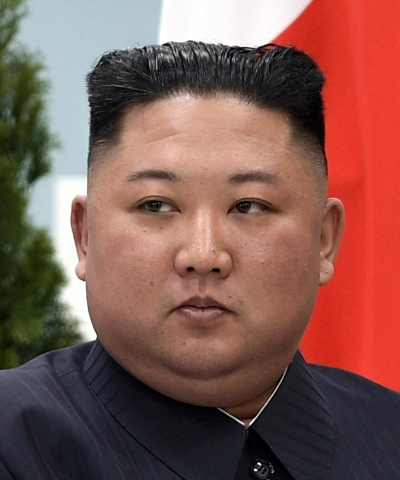
Kim Jong-un
Supreme Leader
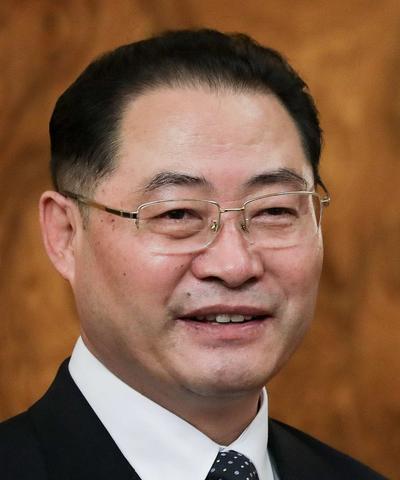
Pak Thae Song
Premier
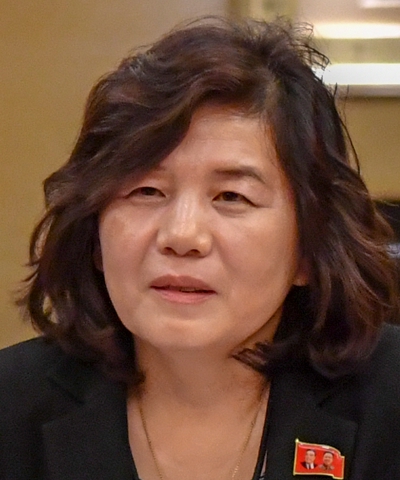
Choe Son-hui
Minister of Foreign Affairs

Jennifer Geerlings-Simons
President

Melvin Bouva
Minister of Foreign Affairs


Suriname's Evolving Mosaic
With a relatively young median age of 31, Suriname exhibits a demographic landscape that balances tradition and progression. The high birth rate and growing population indicate the nation’s vitality, complemented by a low mortality rate that signifies the well-being of its citizens.

Korea, DPRK's Population Uniqueness
The Democratic People's Republic of Korea presents a compelling demographic profile characterized by relative stability, a predominantly young population, and a distinct cultural identity. With a population of approximately 26 million, the country ranks 54th globally and exhibits a steady growth rate of 0.

Suriname's Trade Advantage
Suriname stands out with its unique trade mix, reflecting its position as a net exporter in the global economy. The country's exports are dominated by raw materials, particularly alumina, representing over 85% of its total exports and ranking Suriname among the world's top exporters of the commodity.

Korea, Democratic People's Republic of: Trade Networks
Korea, Democratic People's Republic of showcases a robust trade mix, playing a vital role in its economy. The country holds an exceptional position, with China as its dominant trading partner, contributing to over 80% of both exports and imports.

What's Inside the "North Korea & Suriname" Report?
Each Bilateral Navigator report is a vital resource for diplomats and business leaders, offering quick insights into a foreign country through comparison with their own. By analyzing 40 key areas, we calculate the similarities between North Korea and Suriname, covering topics like geography, economy, international relations, and culture. This empowers you to confidently engage in a new country, impressing your hosts with data-driven knowledge while celebrating the bilateral relationship rather than focusing on one country alone.
1. Geopolitical Context: Compare the geography, demographics, and transport systems of Korean and Surinamese regions to uncover strategic advantages and shared interests.
2. Economic Synergy: Explore North Korea and Suriname's economic outputs, trade relations, investments, and tourism flows, highlighting complementary strengths.
3. Green Partnership: Examine how the countries align in agricultural practices, energy production, and environmental policies, advancing sustainability together.
4. Human Empowerment: Analyze the healthcare and education systems of both North Korea and Suriname, along with social equity and gender balance efforts, spotlighting progress in human development.
5. Innovation Nexus: Explore high-tech sectors, shared skills, and educational exchanges between Koreans and Surinamers, showcasing their roles in global innovation.
6. Political Landscape: Discover the governance structures, historical leadership trends, and security policies of North Korea and Suriname, shedding light on their political paths.
7. Diplomatic Cooperation: Review the diplomatic network between North Korea and Suriname, their multilateral treaties, and how closely they align in UN voting patterns, providing insight into their international relations.
8. Business Networking: Understand the professional exchanges and key industries that connect Korean and Surinamese business communities, identifying opportunities for collaboration.
9. Communication & Media: Compare North Korea and Suriname's media landscapes, including telecom, social media engagement, and notable public figures historically or contemporarily connecting the two countries.
10. Shared Passions: From cultural heritage to sports achievements and cuisine, explore the cultural elements that bring Koreans and Surinamers together, highlighting areas of shared interest and enjoyment.