Home / Books / Namibia & Sri Lanka

BILATERAL NAVIGATOR

Namibia & Sri Lanka

The Ultimate Resource for Diplomats and Business Leaders

Bilateral Similarity Index BSX: 53.4%
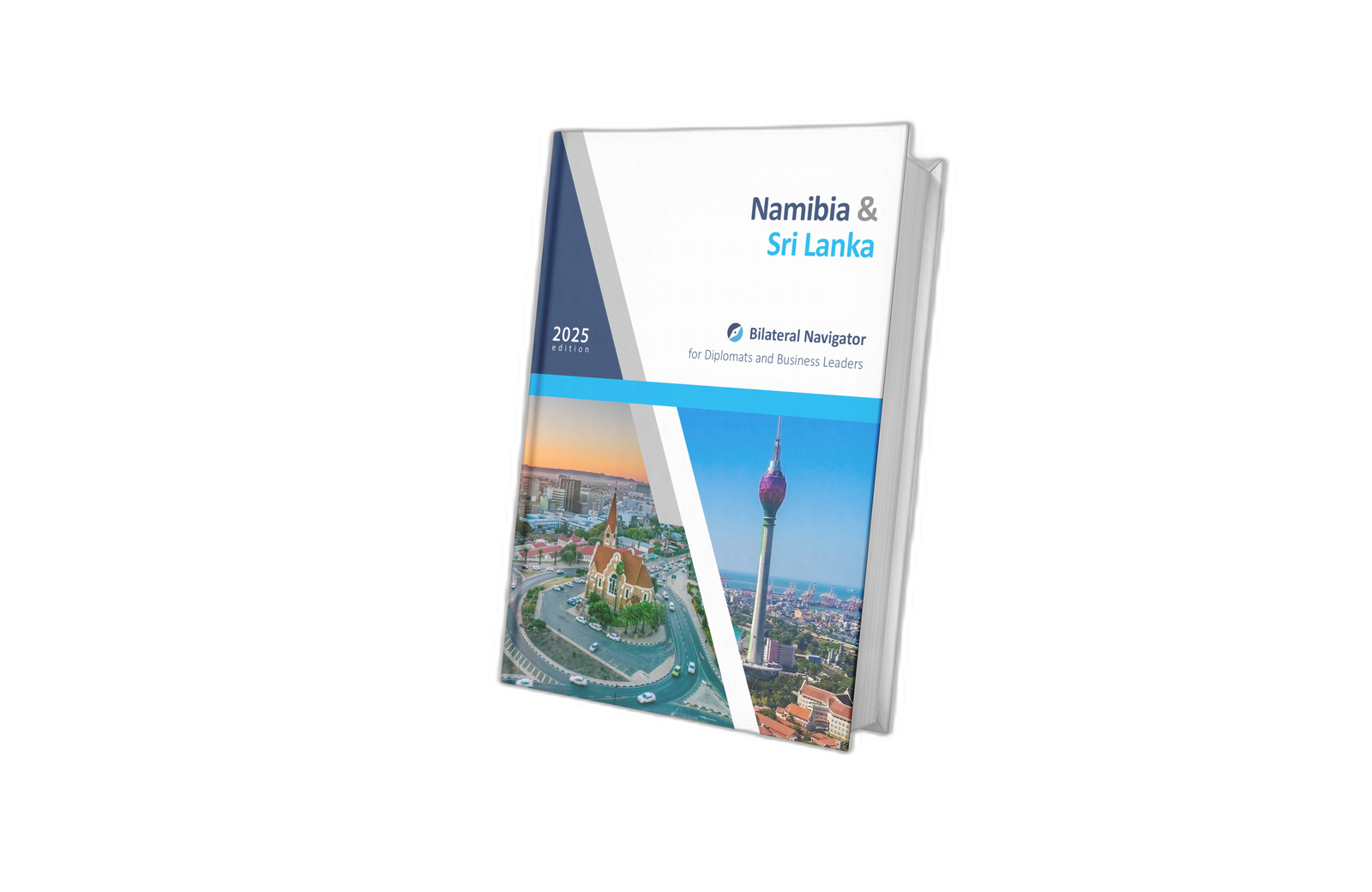
image of a book
list of countries

Did you know that Namibia and Sri Lanka have the highest similarity in equality & equity?

Explore 40 areas of comparison in our specially crafted 300-page, full-color hardcover report!
Geographical Advantages of Namibia

Geographical Advantages of Namibia

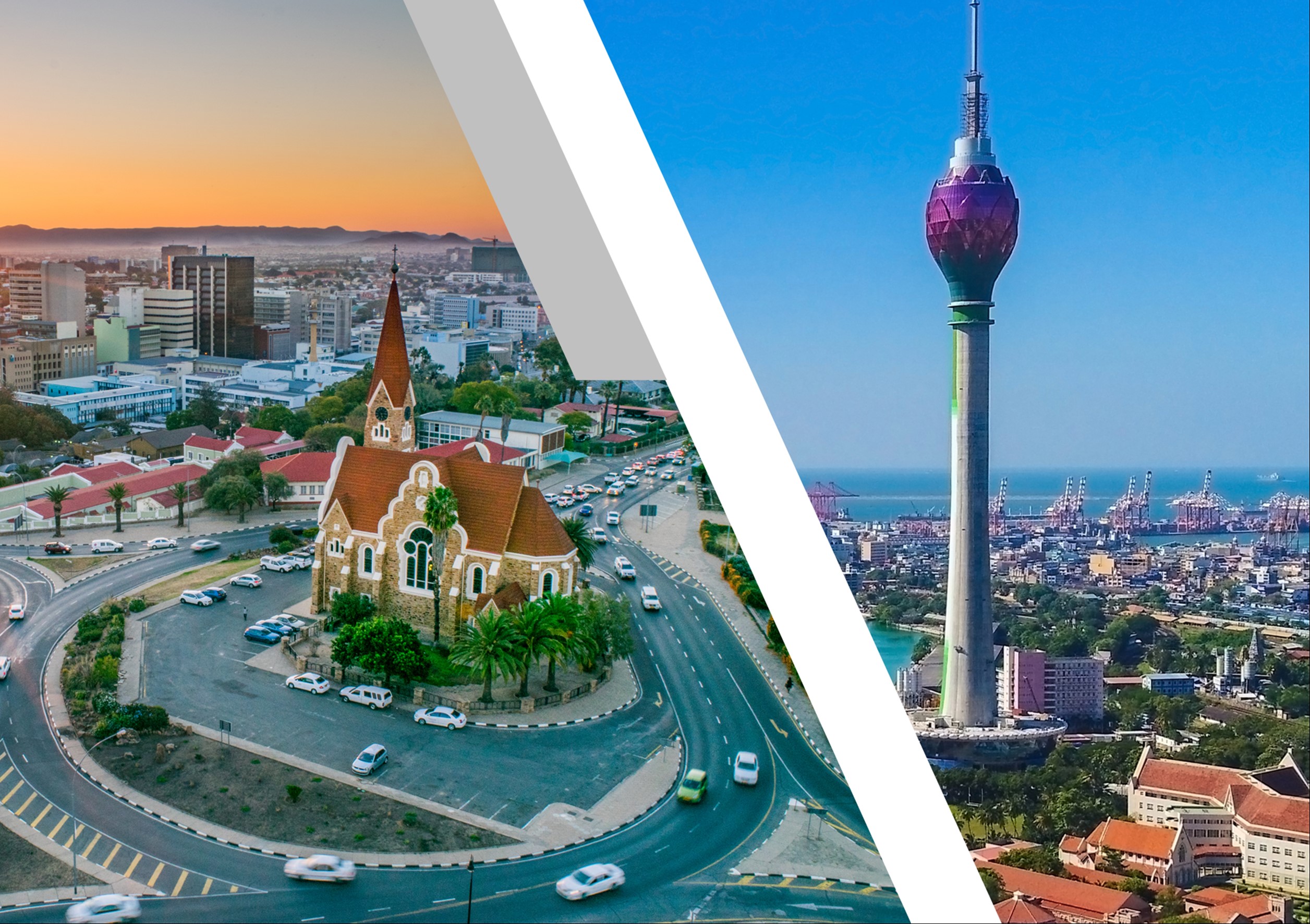
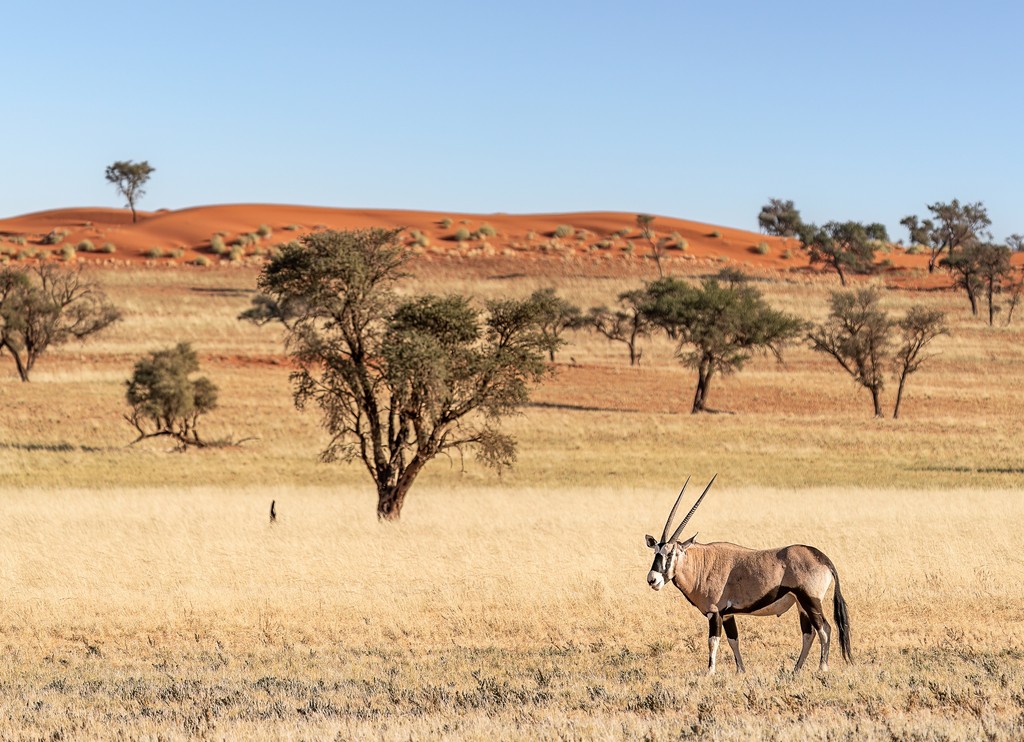
Vast and captivating, Namibia's geography shapes its unique character and global standing. Sprawling across 823,290 square kilometers, it ranks among the world's largest countries, with a compact shape that belies its expansive territory.

Geographic Features of Sri Lanka

Geographic Features of Sri Lanka

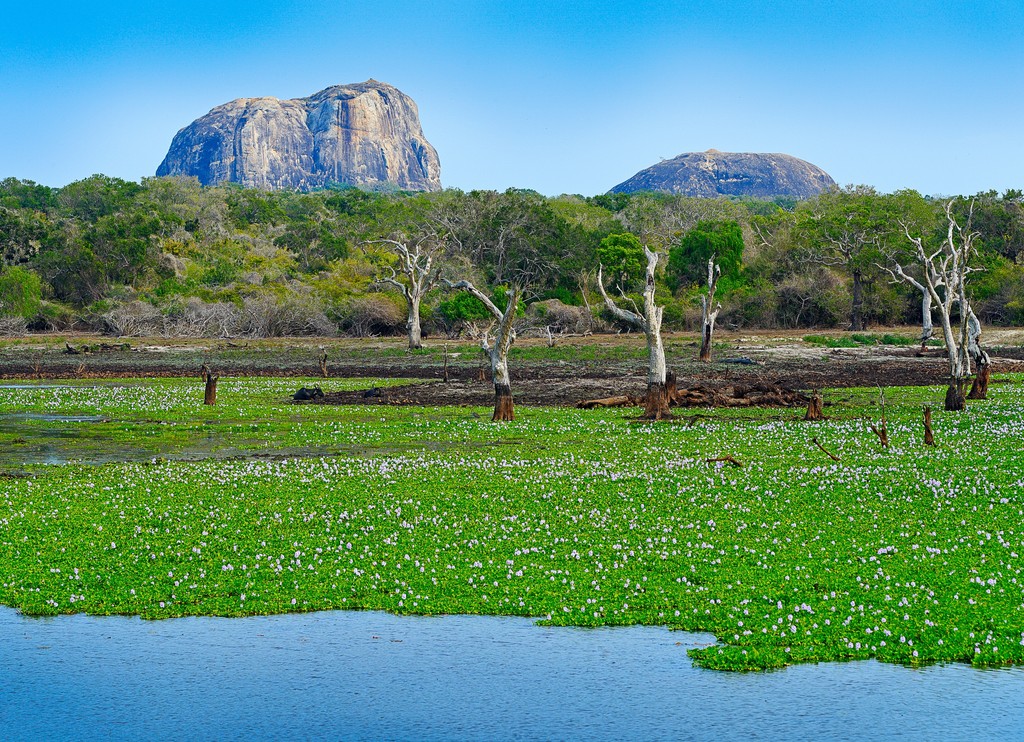
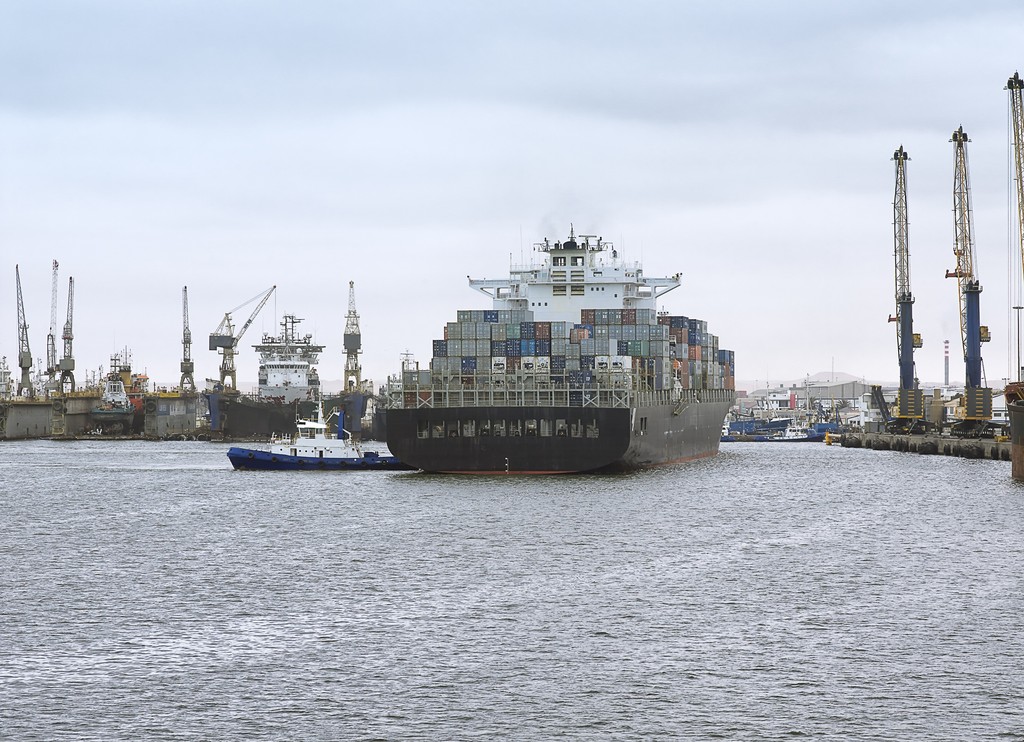
Positioned strategically at the southern tip of India, Sri Lanka's location at the nexus of trade and travel routes adds a rich tapestry to its global connections. The island's expansive coastline, extending over 2,800 kilometers, presents significant potential for developing diverse economic sectors, while its rank among the top 60 countries globally in exclusive economic zone (EEZ) coverage enables it to safeguard and reap the benefits from its marine resources.

Namibia's Economic Foothold

Namibia's Economic Foothold

Namibia's economy holds potential and diversity, standing out in several key indicators. Despite overall ranking challenges, the country's prudent fiscal management is reflected in positive credit ratings from Moody's (B1) and Fitch (BB-), indicating investor confidence and stability.

Sri Lanka: Gateway to South Asia

Sri Lanka: Gateway to South Asia

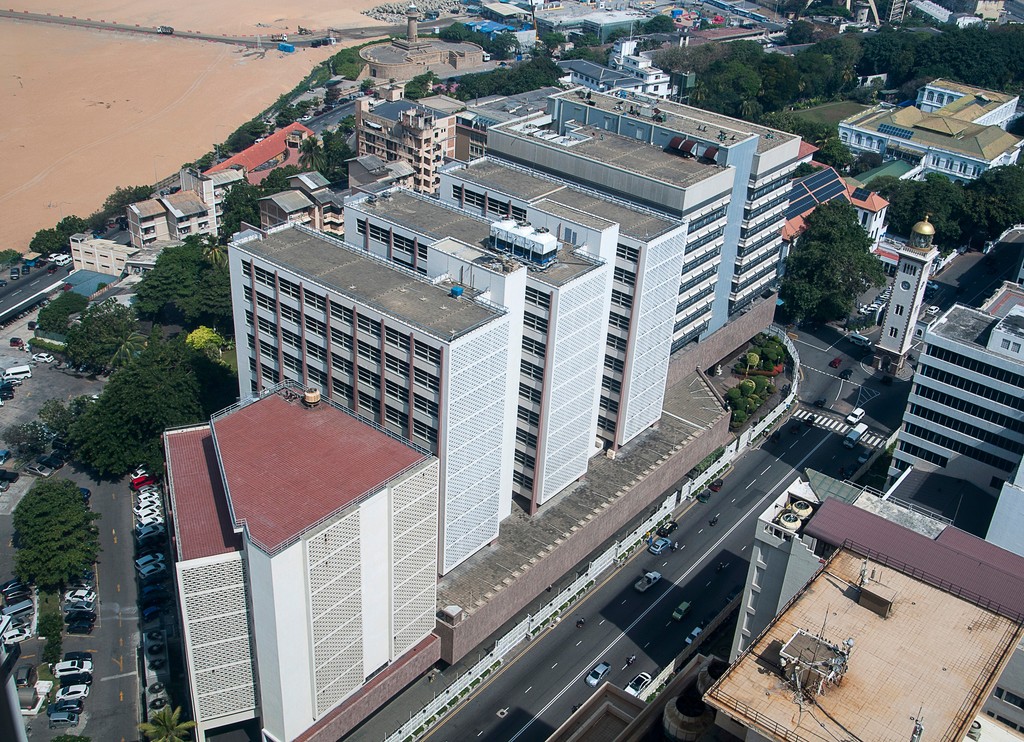
Sri Lanka's economy navigates global challenges, exhibiting strengths in key indicators while identifying areas for strategic improvement. Despite lower rankings in overall GDP and per capita GDP, the country's industrial sector shines, accounting for a substantial 30.

LEADERSHIP

Leadership Timeline

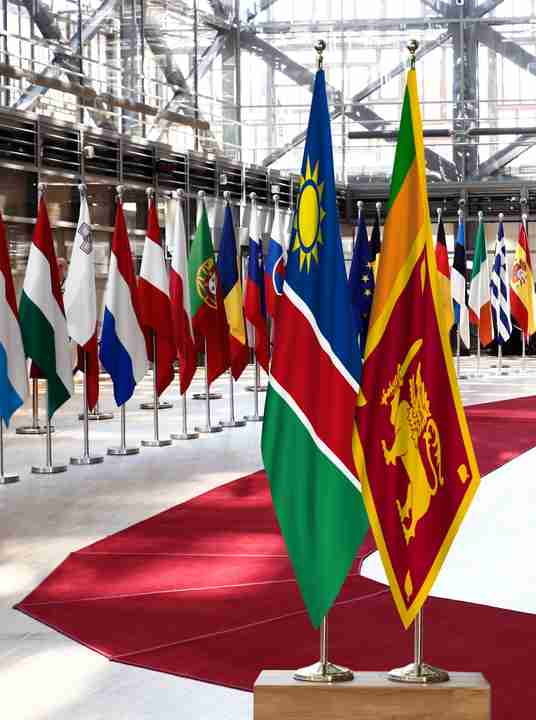
Namibia Sri Lanka Flags
We have created a shared timeline for both Namibia and Sri Lanka, allowing you to compare their leadership chronologically. For Namibia, we have collected data on 10 Administrators, 16 Chairmen of the Transitional Government of National Unity, and 30 other high-ranking officials since 1885. In Sri Lanka, we have gathered information on 79 Governors, 26 Prime ministers, and 20 other high-ranking officials since 1697.
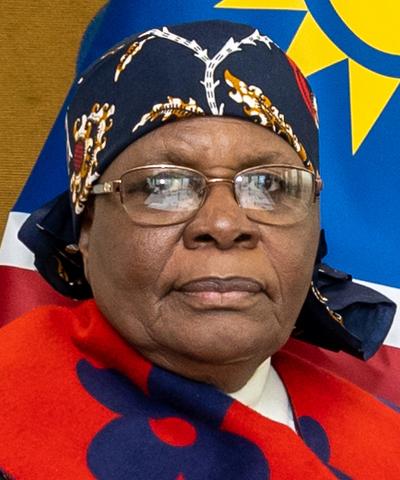
Netumbo Nandi-Ndaitwah

Netumbo Nandi-Ndaitwah

President

Elijah Ngurare

Elijah Ngurare

Prime Minister

Selma Ashipala-Musavyi

Selma Ashipala-Musavyi

Minister of Foreign Affairs
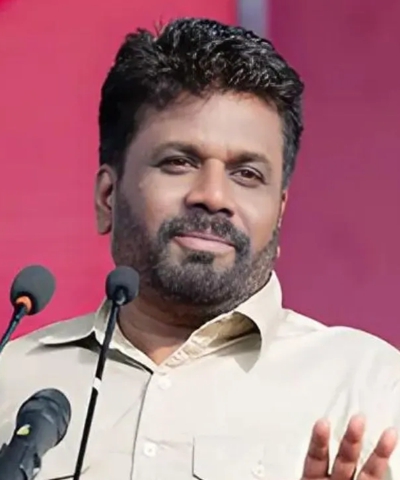
Anura Kumara Dissanayake

Anura Kumara Dissanayake

President

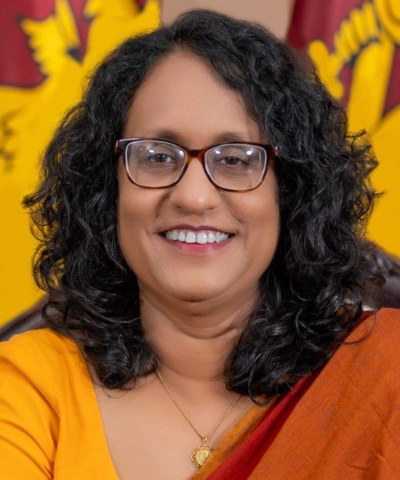
Harini Amarasuriya

Harini Amarasuriya

Prime Minister

Vijitha Herath

Vijitha Herath

Minister of Foreign Affairs
Loading...
Sri Lanka's Thriving Mosaic

Sri Lanka's Thriving Mosaic

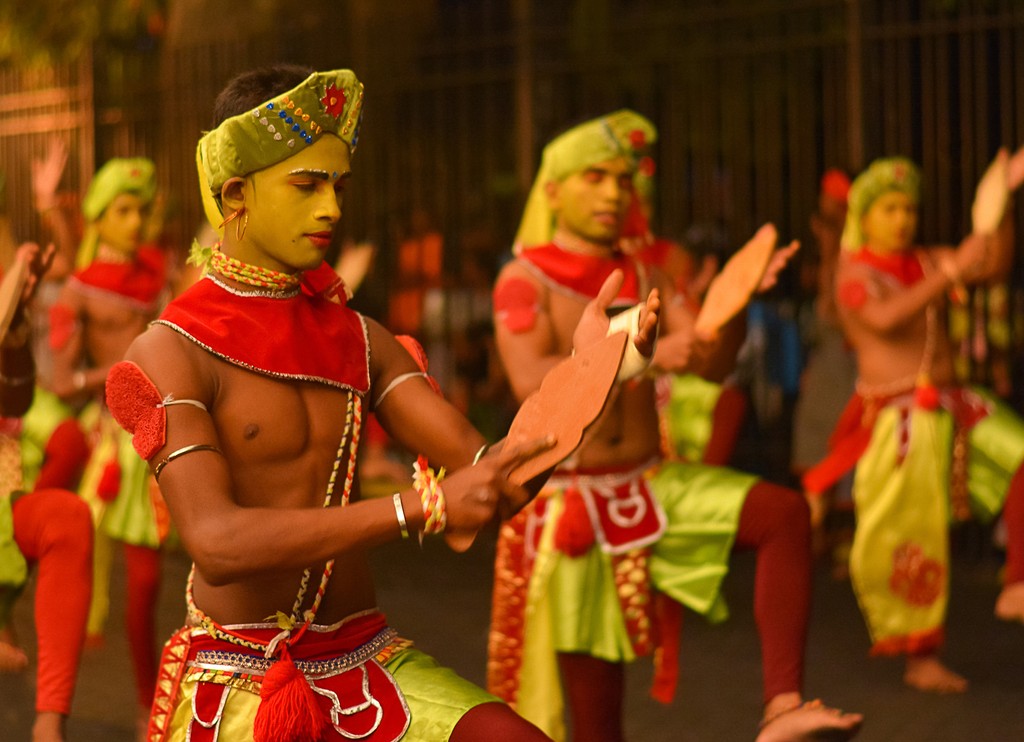
With a population of 22 million, Sri Lanka boasts a dynamic and diverse demographic landscape. This diversity manifests in various cultural traditions and a harmonious coexistence of Buddhism, Hinduism, Islam, and Christianity, reflecting the country's deep-rooted history as a vibrant hub of trade and spirituality.

Namibia's Demographic Edge

Namibia's Demographic Edge

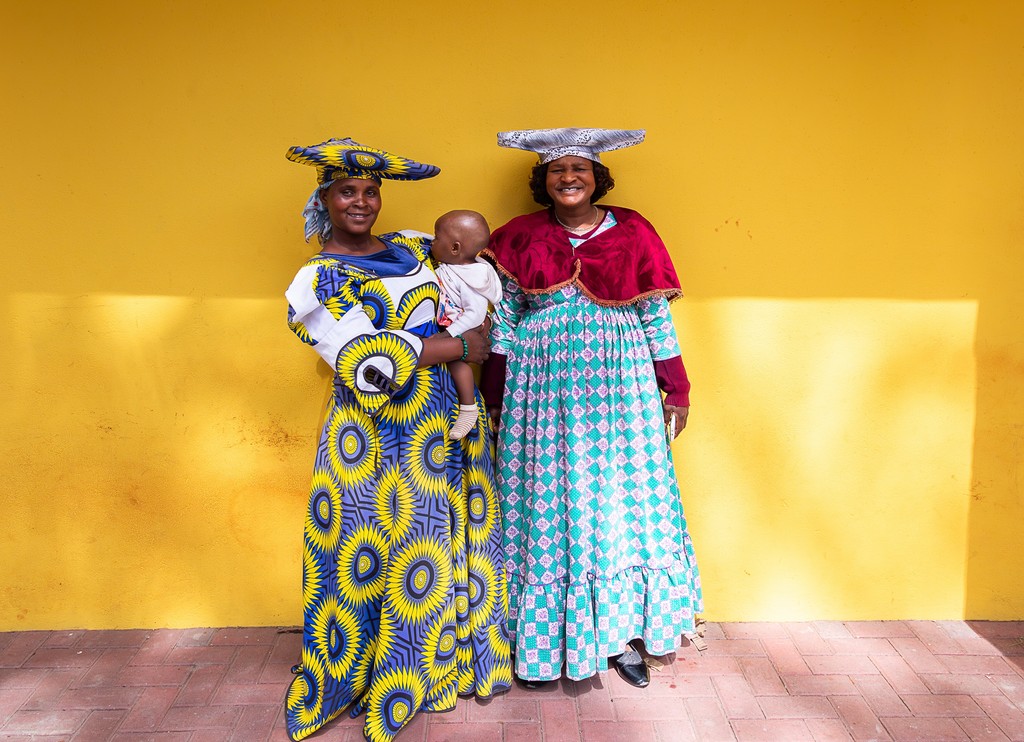
Namibia stands as a youthful nation brimming with demographic potential, offering a unique blend of tradition and modernity. With a population of 2.

Sri Lanka's Trade Connections

Sri Lanka's Trade Connections

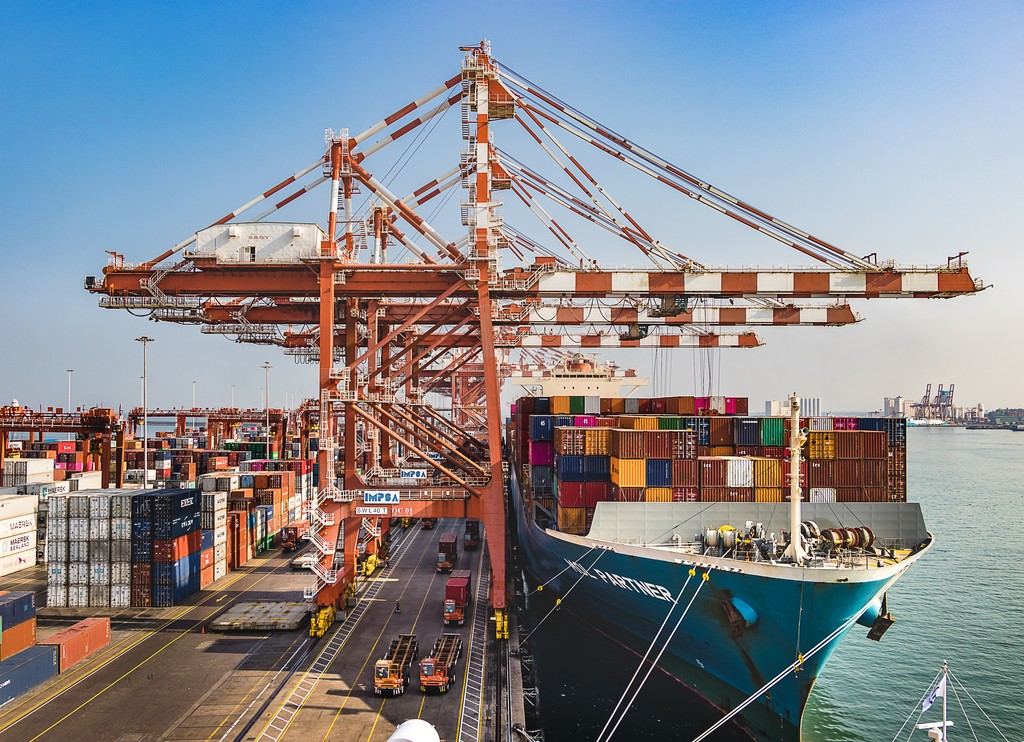
Despite its relatively small size, Sri Lanka plays a significant role in international trade. With exports representing over 16% of GDP, the country demonstrates a notable export-oriented approach.

Namibia's Trade Landscape

Namibia's Trade Landscape

Namibia's trade sector plays a vital role in its economy. Its strategic geographic location and well-developed infrastructure position the country as a gateway to southern Africa.

What's Inside the "Namibia & Sri Lanka" Report?

Each Bilateral Navigator report is a vital resource for diplomats and business leaders, offering quick insights into a foreign country through comparison with their own. By analyzing 40 key areas, we calculate the similarities between Namibia and Sri Lanka, covering topics like geography, economy, international relations, and culture. This empowers you to confidently engage in a new country, impressing your hosts with data-driven knowledge while celebrating the bilateral relationship rather than focusing on one country alone.

1. Geopolitical Context: Compare the geography, demographics, and transport systems of Namibian and Sri Lankan regions to uncover strategic advantages and shared interests.

2. Economic Synergy: Explore Namibia and Sri Lanka's economic outputs, trade relations, investments, and tourism flows, highlighting complementary strengths.

3. Green Partnership: Examine how the countries align in agricultural practices, energy production, and environmental policies, advancing sustainability together.

4. Human Empowerment: Analyze the healthcare and education systems of both Namibia and Sri Lanka, along with social equity and gender balance efforts, spotlighting progress in human development.

5. Innovation Nexus: Explore high-tech sectors, shared skills, and educational exchanges between Namibians and Sri Lankans, showcasing their roles in global innovation.

6. Political Landscape: Discover the governance structures, historical leadership trends, and security policies of Namibia and Sri Lanka, shedding light on their political paths.

7. Diplomatic Cooperation: Review the diplomatic network between Namibia and Sri Lanka, their multilateral treaties, and how closely they align in UN voting patterns, providing insight into their international relations.

8. Business Networking: Understand the professional exchanges and key industries that connect Namibian and Sri Lankan business communities, identifying opportunities for collaboration.

9. Communication & Media: Compare Namibia and Sri Lanka's media landscapes, including telecom, social media engagement, and notable public figures historically or contemporarily connecting the two countries.

10. Shared Passions: From cultural heritage to sports achievements and cuisine, explore the cultural elements that bring Namibians and Sri Lankans together, highlighting areas of shared interest and enjoyment.