
Home / Books / Lebanon & Zimbabwe
BILATERAL NAVIGATOR
Lebanon & Zimbabwe
The Ultimate Resource for Diplomats and Business Leaders
Bilateral Similarity Index BSX: 53.3%

Did you know that Lebanon and Zimbabwe are most alike in academic migrations?
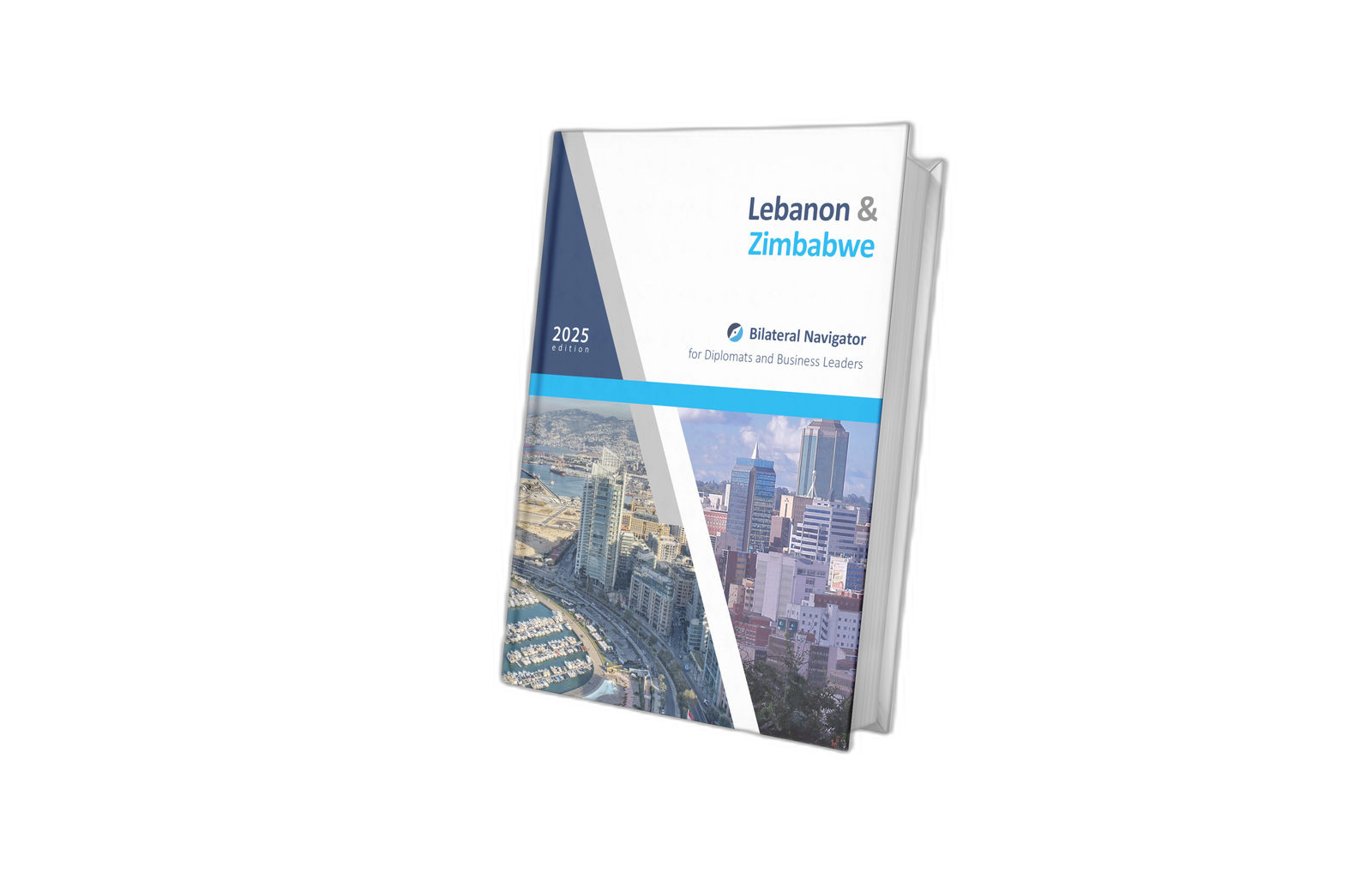
Discover the results of our extensive 40-area analysis in a premium 300-page, full-color hardcover report!


LEADERSHIP
Leadership Timeline

Joseph Aoun
President

Nawaf Salam
Prime Minister

Youssef Rajji
Minister of Foreign Affairs

Emmerson Mnangagwa
President

Amon Murwira
Minister of Foreign Affairs


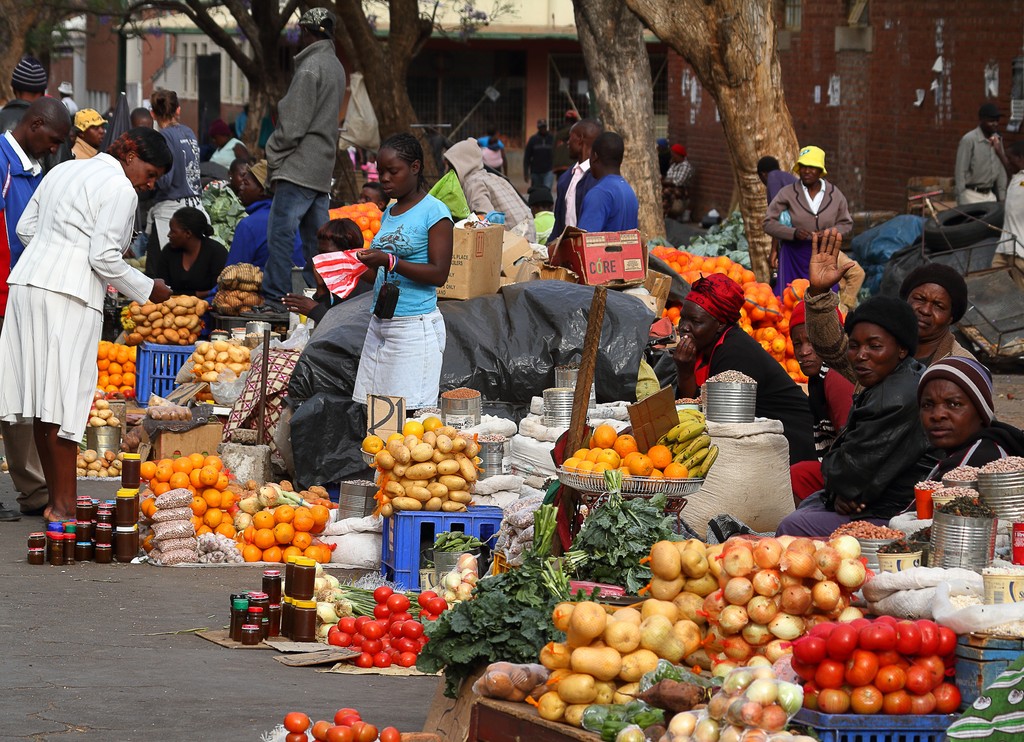
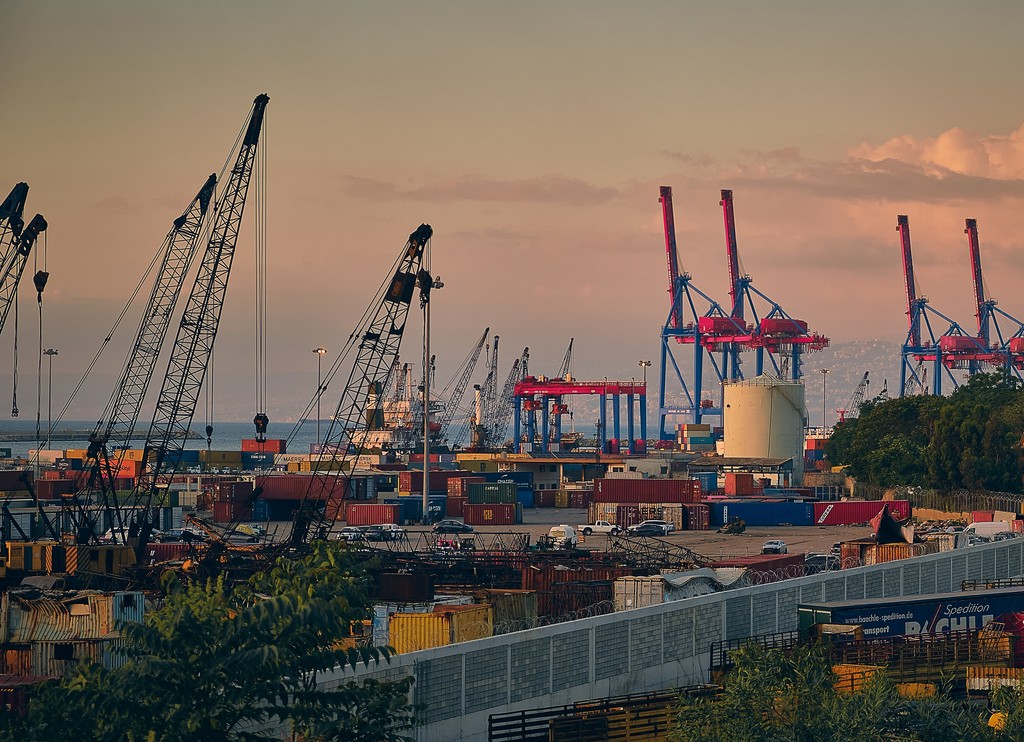
What's Inside the "Lebanon & Zimbabwe" Report?
Each Bilateral Navigator report is a vital resource for diplomats and business leaders, offering quick insights into a foreign country through comparison with their own. By analyzing 40 key areas, we calculate the similarities between Lebanon and Zimbabwe, covering topics like geography, economy, international relations, and culture. This empowers you to confidently engage in a new country, impressing your hosts with data-driven knowledge while celebrating the bilateral relationship rather than focusing on one country alone.
1. Geopolitical Context: Compare the geography, demographics, and transport systems of Lebanese and Zimbabwean regions to uncover strategic advantages and shared interests.
2. Economic Synergy: Explore Lebanon and Zimbabwe's economic outputs, trade relations, investments, and tourism flows, highlighting complementary strengths.
3. Green Partnership: Examine how the countries align in agricultural practices, energy production, and environmental policies, advancing sustainability together.
4. Human Empowerment: Analyze the healthcare and education systems of both Lebanon and Zimbabwe, along with social equity and gender balance efforts, spotlighting progress in human development.
5. Innovation Nexus: Explore high-tech sectors, shared skills, and educational exchanges between Lebanese and Zimbabweans, showcasing their roles in global innovation.
6. Political Landscape: Discover the governance structures, historical leadership trends, and security policies of Lebanon and Zimbabwe, shedding light on their political paths.
7. Diplomatic Cooperation: Review the diplomatic network between Lebanon and Zimbabwe, their multilateral treaties, and how closely they align in UN voting patterns, providing insight into their international relations.
8. Business Networking: Understand the professional exchanges and key industries that connect Lebanese and Zimbabwean business communities, identifying opportunities for collaboration.
9. Communication & Media: Compare Lebanon and Zimbabwe's media landscapes, including telecom, social media engagement, and notable public figures historically or contemporarily connecting the two countries.
10. Shared Passions: From cultural heritage to sports achievements and cuisine, explore the cultural elements that bring Lebanese and Zimbabweans together, highlighting areas of shared interest and enjoyment.