Home / Books / Kuwait & Mali

BILATERAL NAVIGATOR

Kuwait & Mali

The Ultimate Resource for Diplomats and Business Leaders

Bilateral Similarity Index BSX: 46.4%
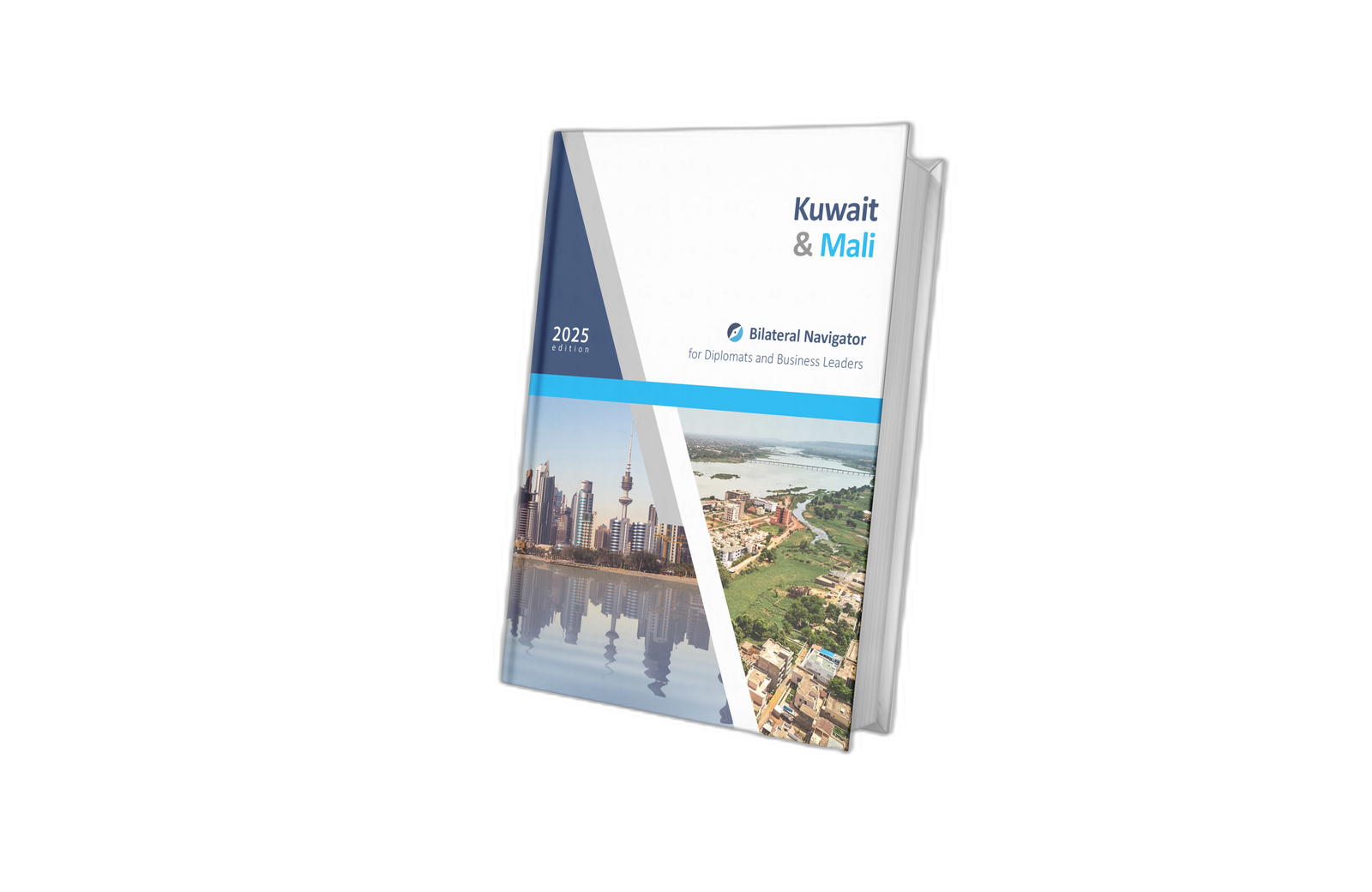
image of a book
list of countries

Did you know that Kuwait and Mali show strongest alignment in treaty engagements?

Our in-depth study covers 40 areas, beautifully presented in a 300-page, full-color hardcover format!
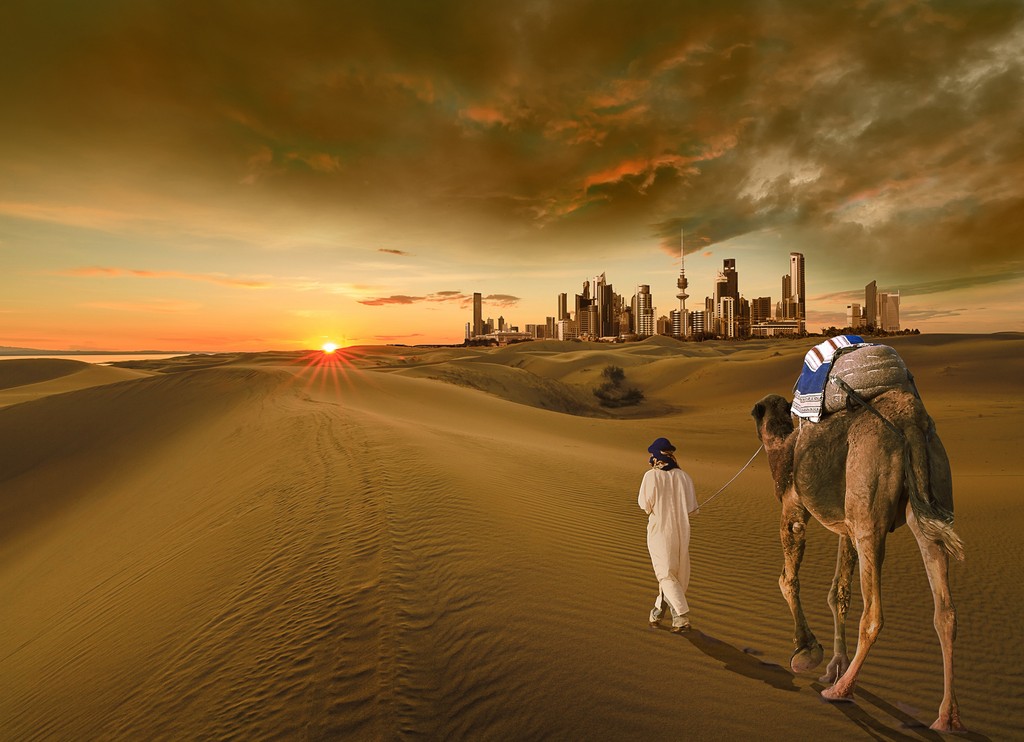
Kuwait's Geographic Eminence

Kuwait's Geographic Eminence

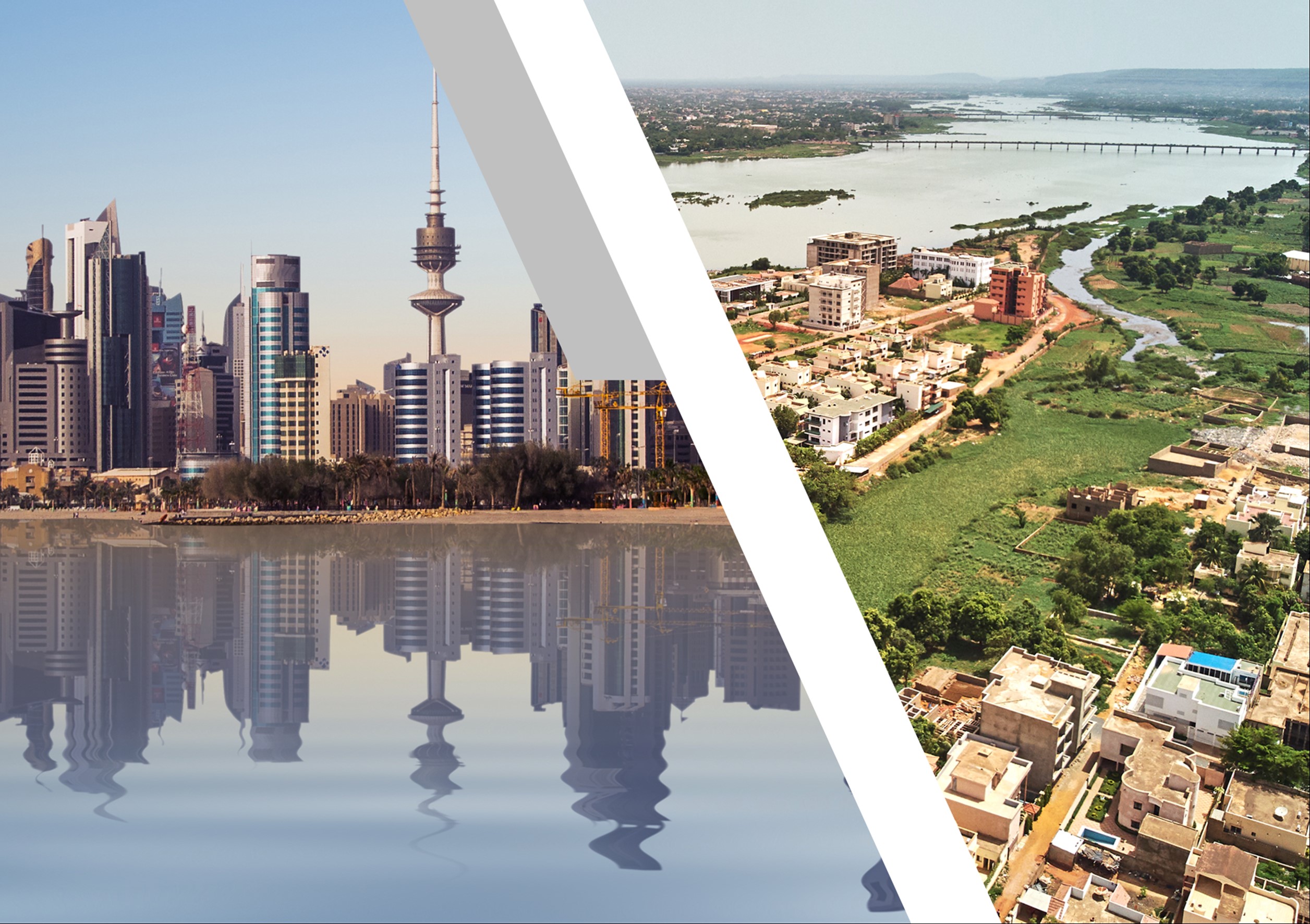
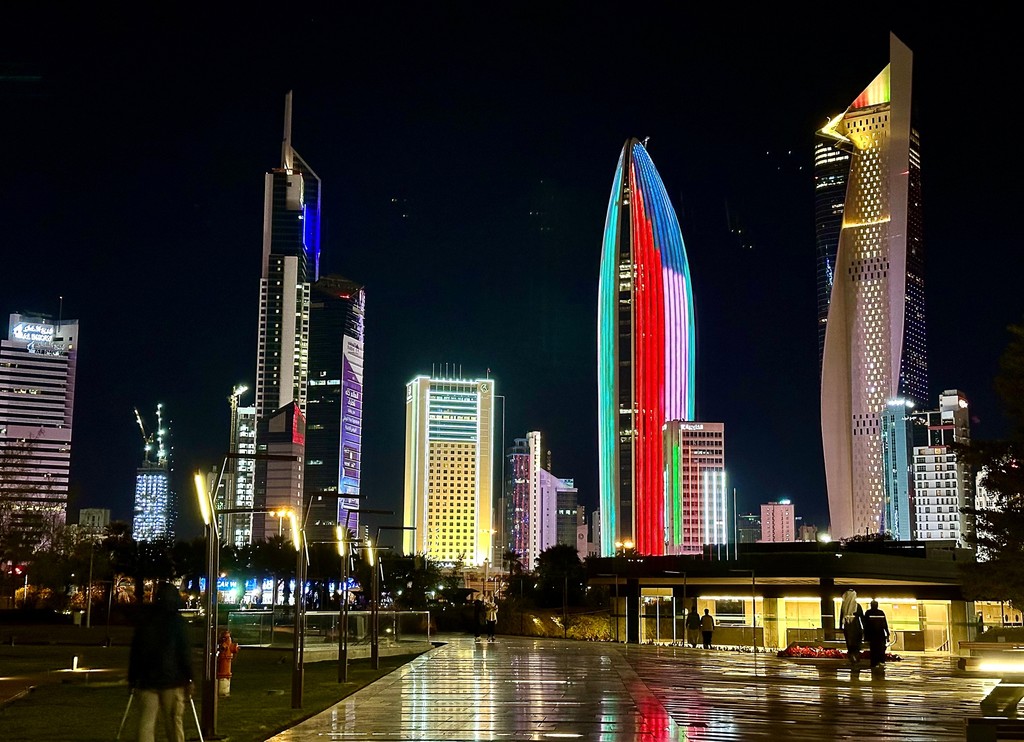
Kuwait stands as a gateway at the northernmost tip of the Persian Gulf, linking diverse regions across its strategic geographical position. Although one of the smallest countries globally, its land borders with Iraq and Saudi Arabia form essential access points to these markets, with its coastline further serving as a vital entry point to the wider Middle East.

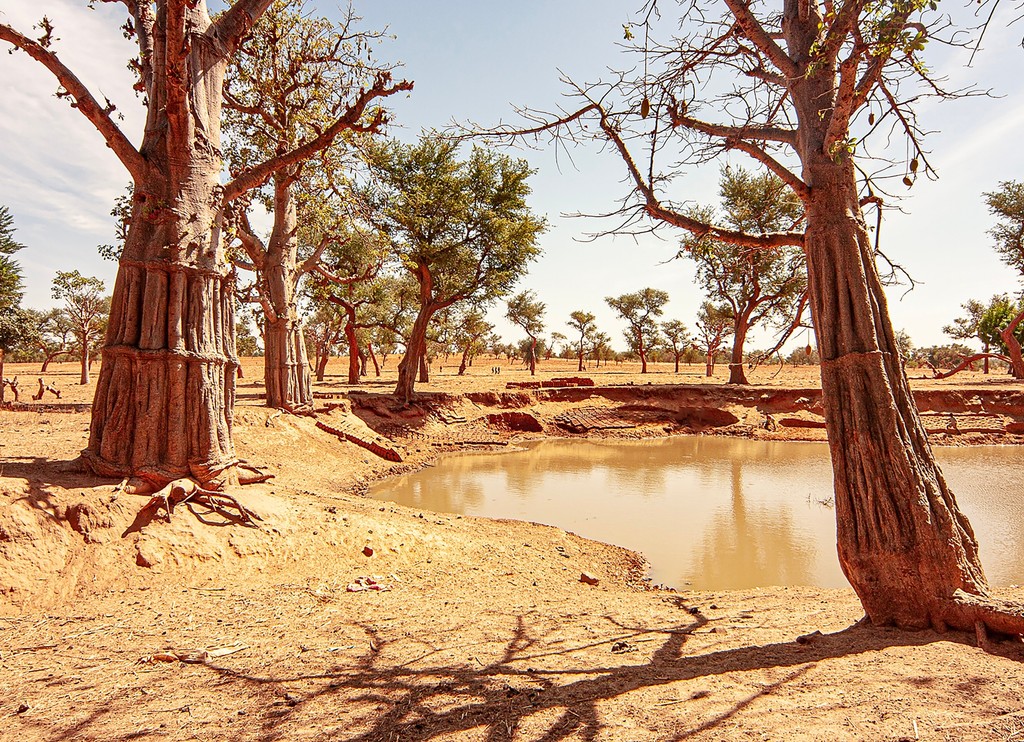
Geographical Distinctiveness of Mali

Geographical Distinctiveness of Mali

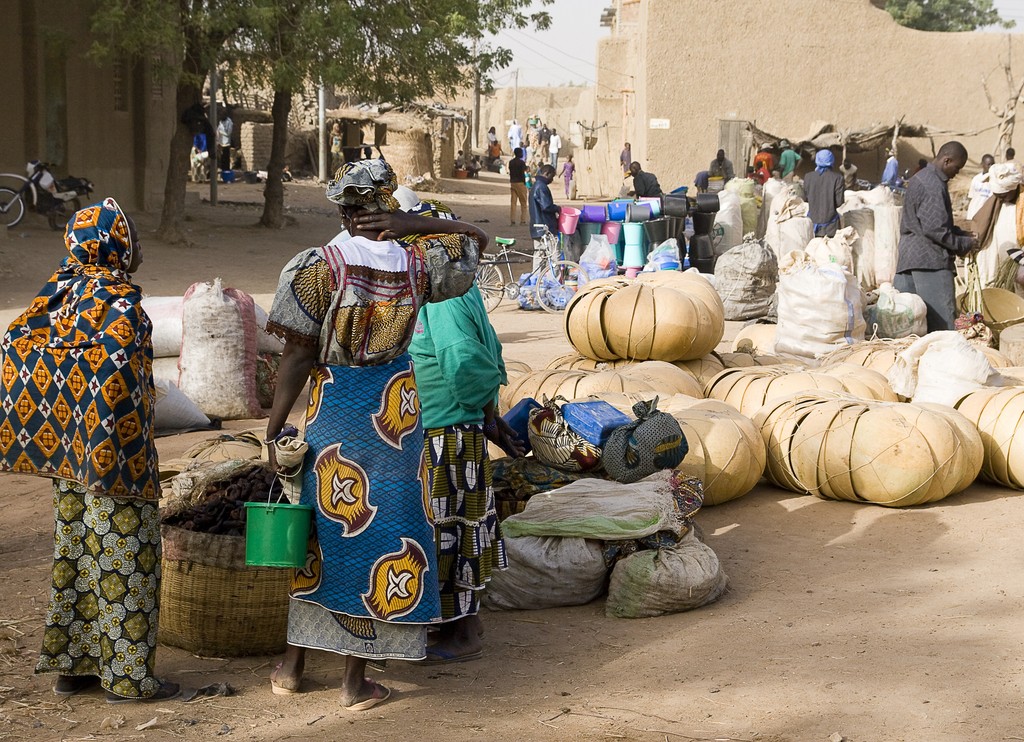
Mali, as the world's 23rd largest country, holds a unique position in West Africa with its vast expanse covering over 1.2 million square kilometers.

Kuwait's Lucrative Landscape

Kuwait's Lucrative Landscape

Kuwait stands out in the global economic arena as a thriving financial hub with substantial hydrocarbon resources. Despite recent economic setbacks due to the pandemic, Kuwait retains strong economic fundamentals.

Mali's Economic Prospects

Mali's Economic Prospects

Mali's economy exhibits both strengths and vulnerabilities in the global landscape. While its ranking for GDP and GDP per capita may indicate areas for growth, Mali stands out as one of the top seven countries globally for agriculture's contribution to its economy.

LEADERSHIP

Leadership Timeline

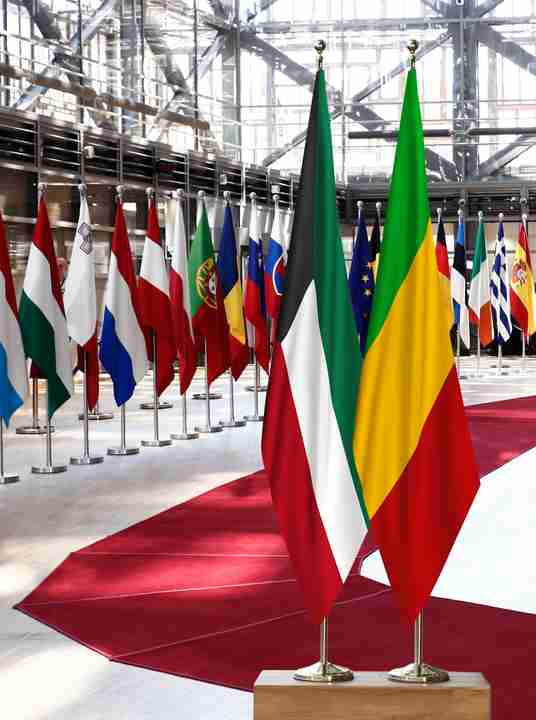
Kuwait Mali Flags
We have created a shared timeline for both Kuwait and Mali, allowing you to compare their leadership chronologically. For Kuwait, we have collected data on 20 Rulers, 21 British political agents, and 11 other high-ranking officials since 1752. In Mali, we have gathered information on 17 Governors, 26 Prime ministers, and 34 other high-ranking officials since 1880.
Mishal Al-Ahmad Al-Jaber Al-Sabah

Mishal Al-Ahmad Al-Jaber Al-Sabah

Emir

Ahmad Al-Abdullah Al-Sabah

Ahmad Al-Abdullah Al-Sabah

Prime Minister

Jarrah Jaber Al-Ahmad Al-Sabah

Jarrah Jaber Al-Ahmad Al-Sabah

Minister of Foreign Affairs

Assimi Goïta

Assimi Goïta

Interim President

Abdoulaye Maïga

Abdoulaye Maïga

Prime Minister

Abdoulaye Diop

Abdoulaye Diop

Minister of Foreign Affairs
Loading...
Mali: Demographic Resilience

Mali: Demographic Resilience

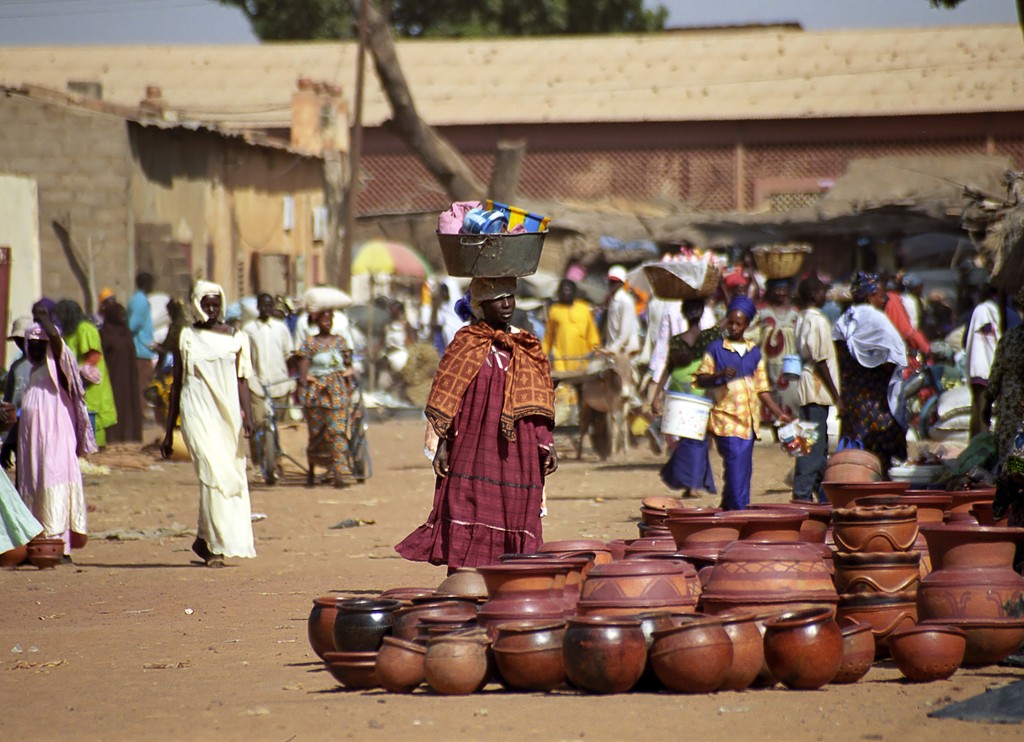
Mali stands as a youthful nation amidst the tapestry of West Africa, boasting a remarkable median age of 16 years—among the youngest in the world. This youthful demographic not only defines Mali’s social landscape but also presents a wealth of opportunities for economic growth, social transformation, and international partnerships.

Kuwait's Global Citizenry

Kuwait's Global Citizenry

Kuwait's demographic landscape presents a unique blend of local and global influences. Its 4.

Mali's Trade Pathways

Mali's Trade Pathways

Mali's trade landscape reveals a distinctive mix of exports and imports, showcasing its economic strengths. While agriculture dominates the export sector, with over 92% of goods exports coming from agricultural products, the import basket is notably more diversified.

Kuwait's Prominent Trade Landscape

Kuwait's Prominent Trade Landscape

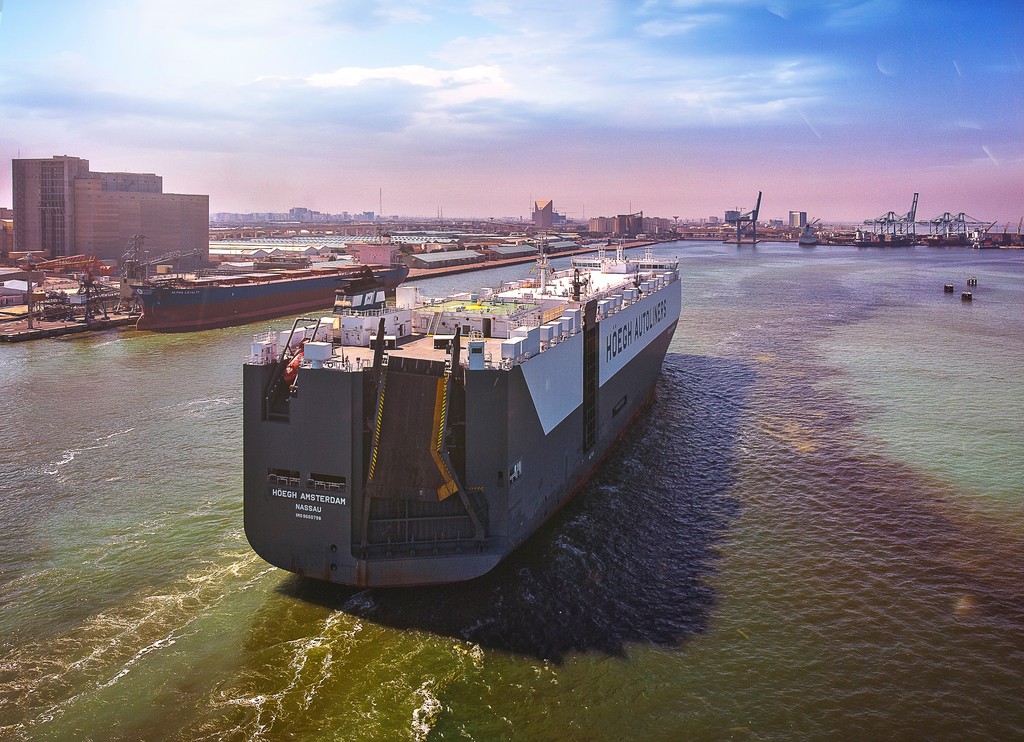
Kuwait's economy heavily depends on international trade. While the country's trade mix is considerably dominated by the hydrocarbons industry, recent trends suggest a drive towards diversification, particularly in exports.

What's Inside the "Kuwait & Mali" Report?

Each Bilateral Navigator report is a vital resource for diplomats and business leaders, offering quick insights into a foreign country through comparison with their own. By analyzing 40 key areas, we calculate the similarities between Kuwait and Mali, covering topics like geography, economy, international relations, and culture. This empowers you to confidently engage in a new country, impressing your hosts with data-driven knowledge while celebrating the bilateral relationship rather than focusing on one country alone.

1. Geopolitical Context: Compare the geography, demographics, and transport systems of Kuwaiti and Malian regions to uncover strategic advantages and shared interests.

2. Economic Synergy: Explore Kuwait and Mali's economic outputs, trade relations, investments, and tourism flows, highlighting complementary strengths.

3. Green Partnership: Examine how the countries align in agricultural practices, energy production, and environmental policies, advancing sustainability together.

4. Human Empowerment: Analyze the healthcare and education systems of both Kuwait and Mali, along with social equity and gender balance efforts, spotlighting progress in human development.

5. Innovation Nexus: Explore high-tech sectors, shared skills, and educational exchanges between Kuwaitis and Malians, showcasing their roles in global innovation.

6. Political Landscape: Discover the governance structures, historical leadership trends, and security policies of Kuwait and Mali, shedding light on their political paths.

7. Diplomatic Cooperation: Review the diplomatic network between Kuwait and Mali, their multilateral treaties, and how closely they align in UN voting patterns, providing insight into their international relations.

8. Business Networking: Understand the professional exchanges and key industries that connect Kuwaiti and Malian business communities, identifying opportunities for collaboration.

9. Communication & Media: Compare Kuwait and Mali's media landscapes, including telecom, social media engagement, and notable public figures historically or contemporarily connecting the two countries.

10. Shared Passions: From cultural heritage to sports achievements and cuisine, explore the cultural elements that bring Kuwaitis and Malians together, highlighting areas of shared interest and enjoyment.