Home / Books / Kiribati & South Sudan

BILATERAL NAVIGATOR

Kiribati & South Sudan

The Ultimate Resource for Diplomats and Business Leaders

Bilateral Similarity Index BSX: 36%
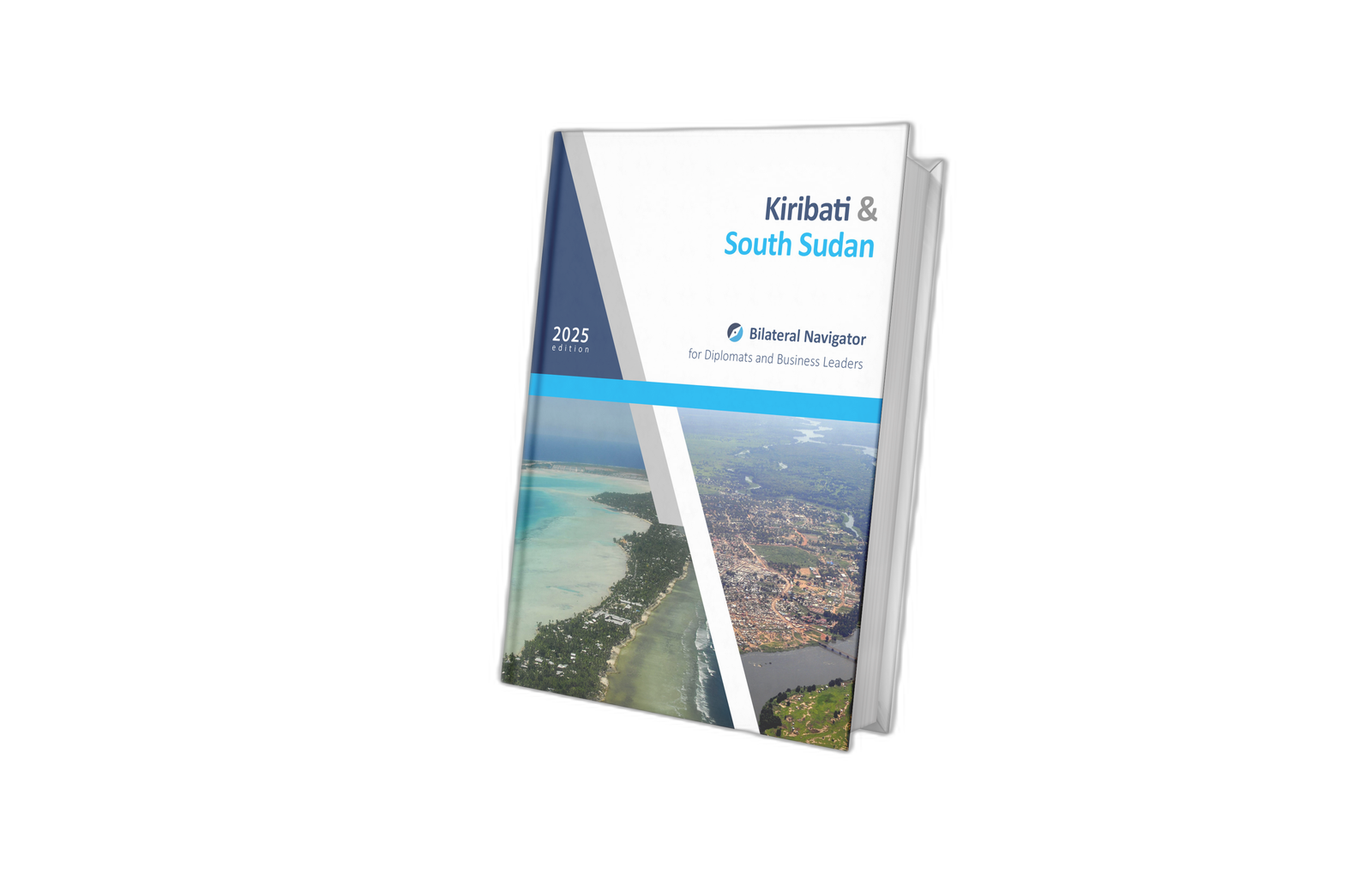
image of a book
list of countries

Ever wonder if Kiribati and South Sudan have the highest similarity in commercial similarities?

Our team analyzed 40 distinct areas to produce a comprehensive 300-page, full-color hardcover report just for you!
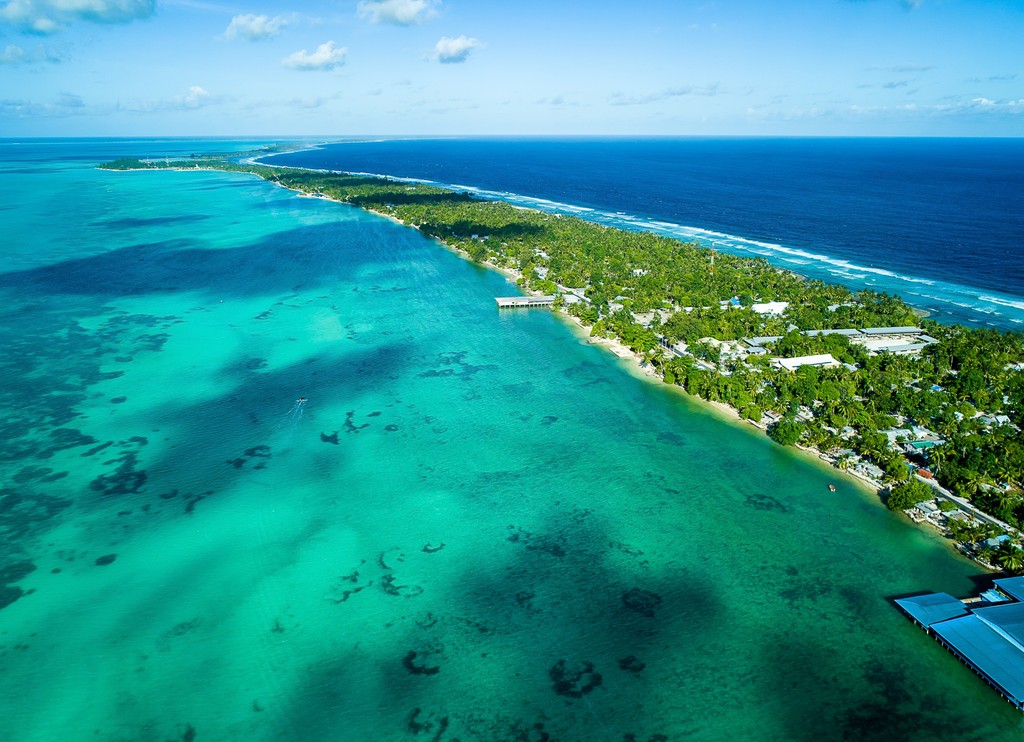
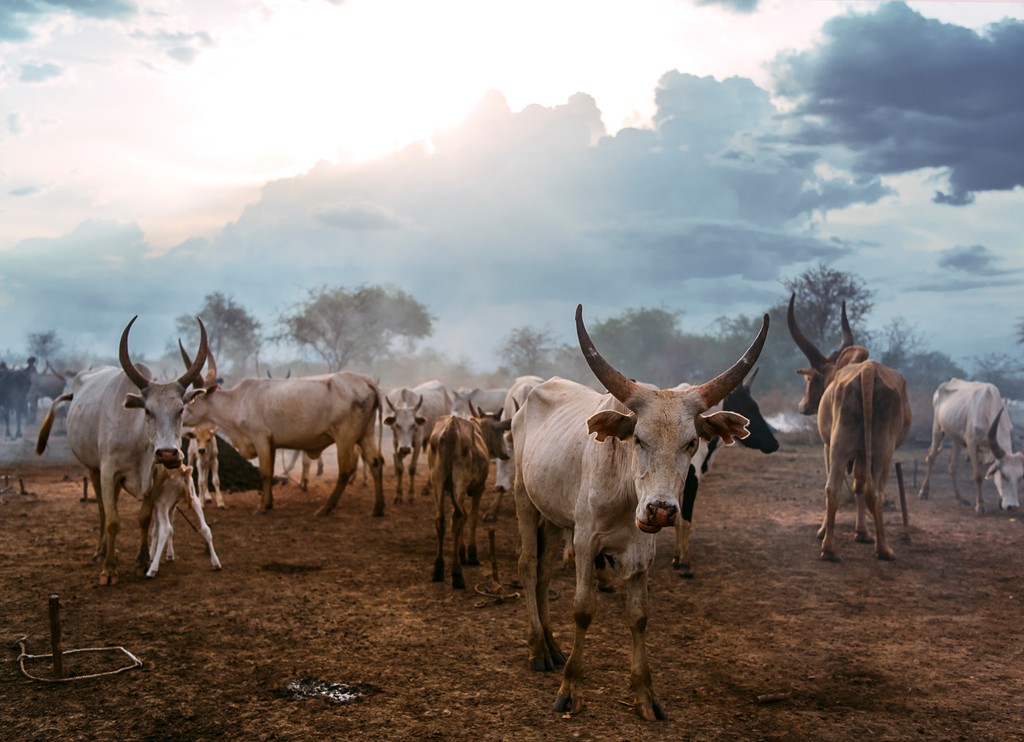
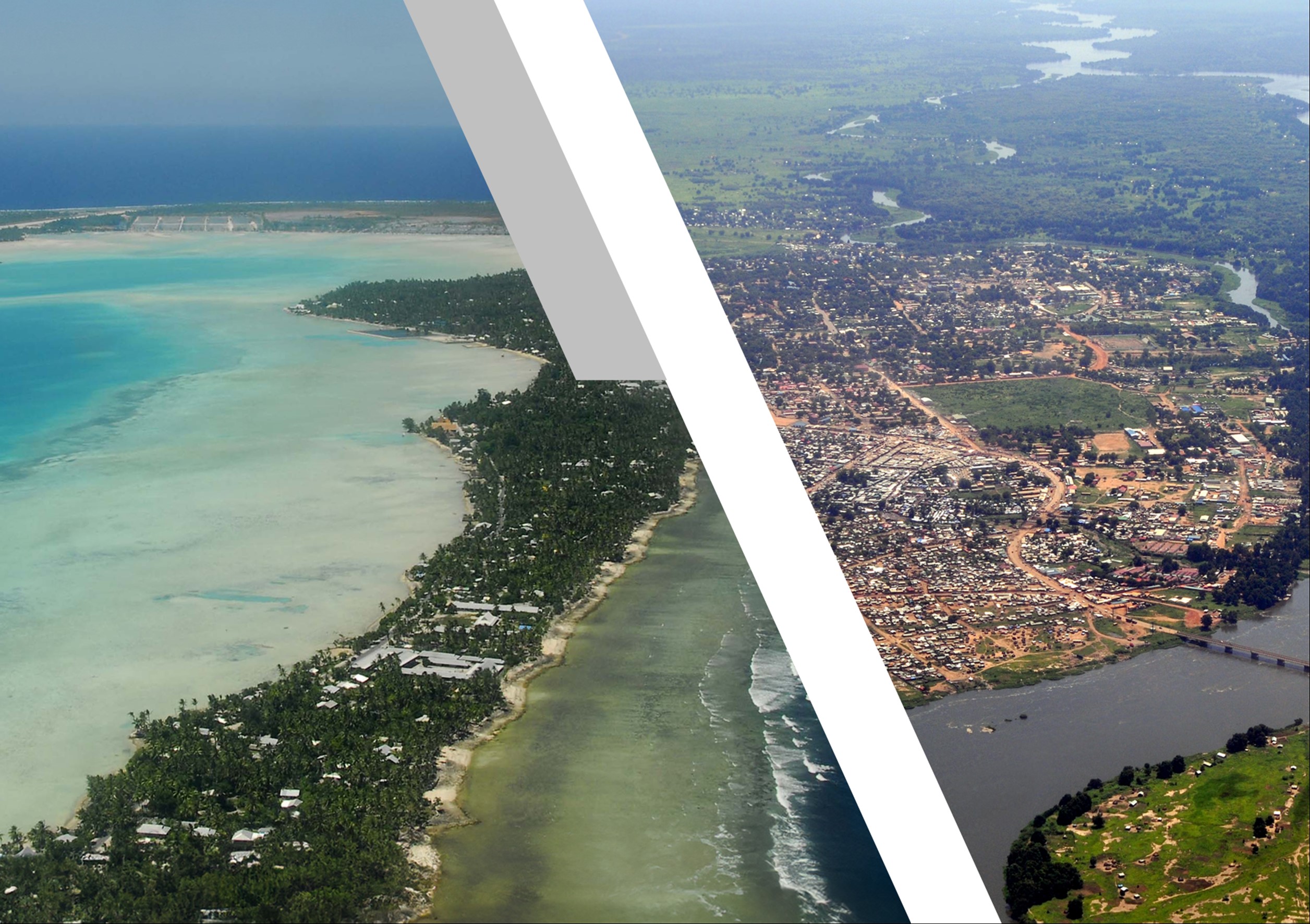
Geography of Kiribati

Geography of Kiribati

Despite being one of the world's smallest nations, Kiribati's dispersed archipelago stands apart for its strategic geographical position and the captivating contrasts it presents. Encompassing over 3.

South Sudan's Geographic Promise

South Sudan's Geographic Promise

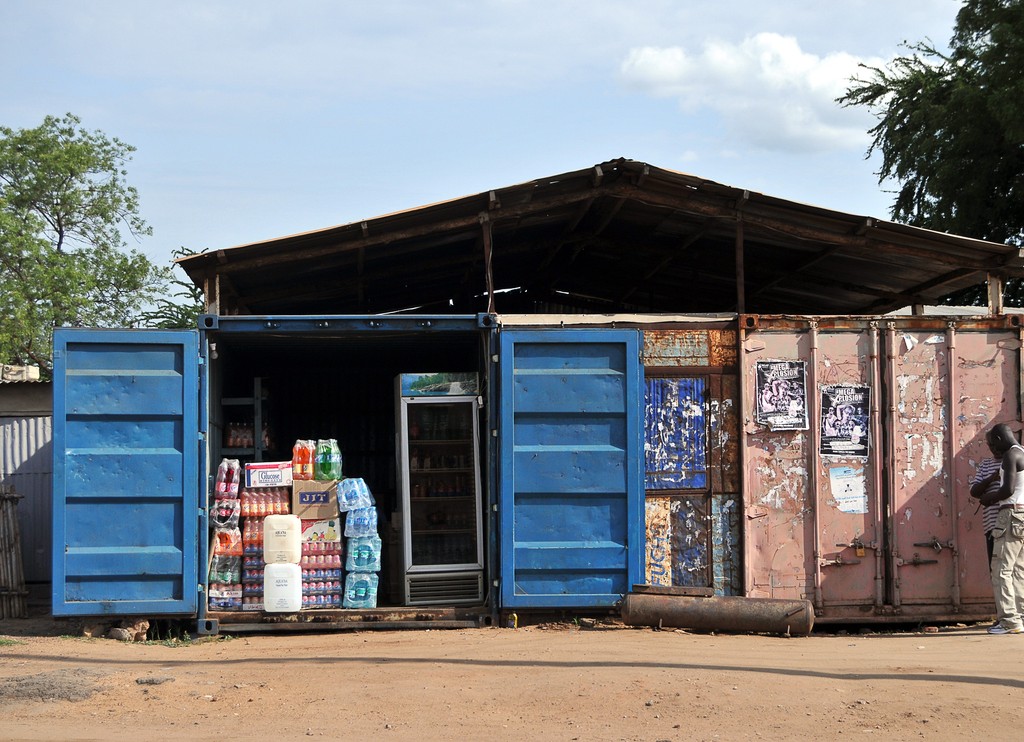
South Sudan's vast expanse, covering over 630,000 square kilometers, positions it strategically in East Africa. With borders spanning nearly 6,000 kilometers, it stands as one of the largest countries on the continent, boasting the fifth-longest river in the world, the White Nile, stretching an impressive 4,135 kilometers within its borders.

Kiribati's Resilient Economy

Kiribati's Resilient Economy

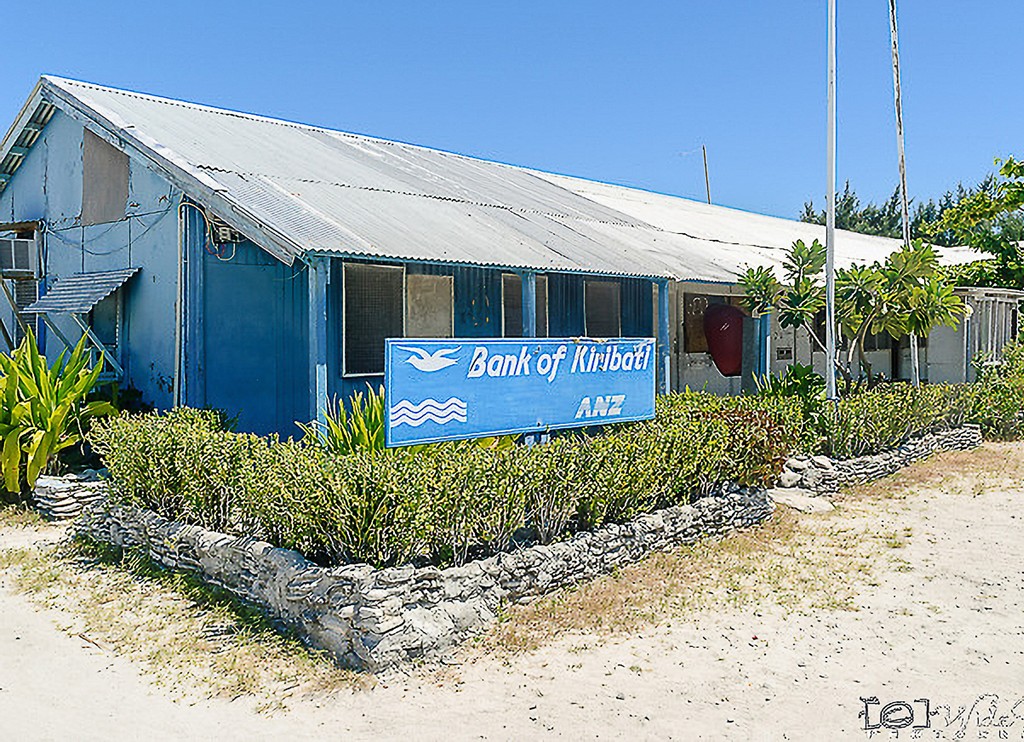
Kiribati, despite its small size, boasts a unique economic landscape shaped by its geographic position and environmental circumstances. While its GDP may be modest, the country's GDP per capita is notably higher than other Pacific island nations, highlighting a sustainable foundation.

South Sudan's Economic Promise

South Sudan's Economic Promise

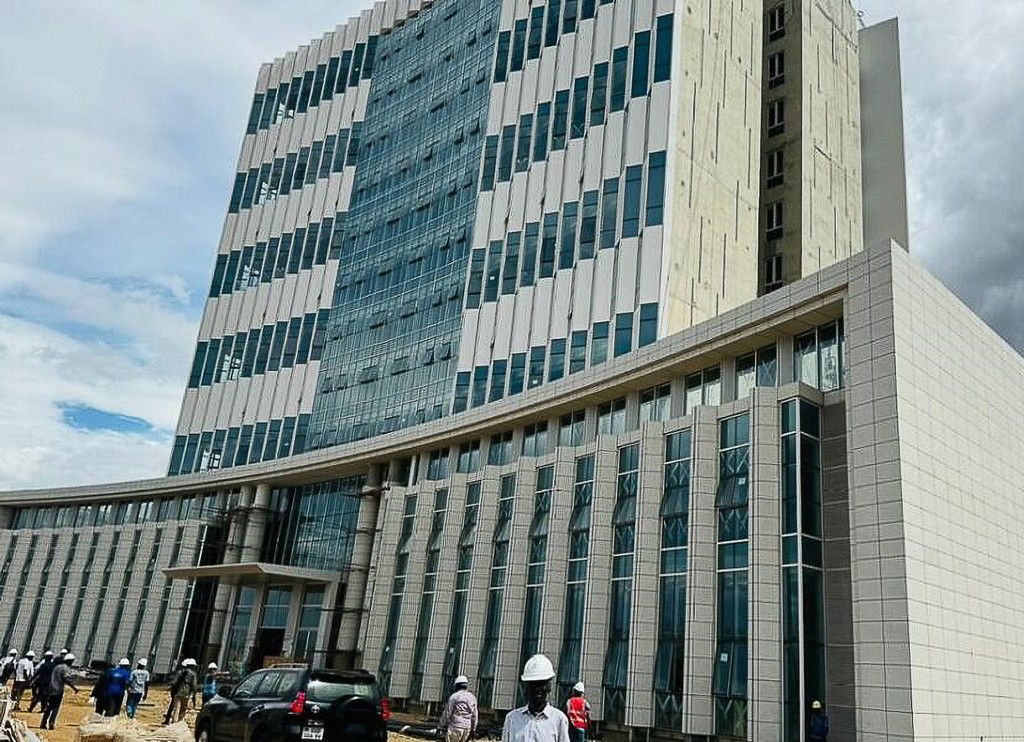
Despite its challenging past, South Sudan's economy demonstrates remarkable resilience and potential for growth. Although its GDP growth rate remains negative, the country's strategic economic advantages provide a foundation for future development.

LEADERSHIP

Leadership Timeline

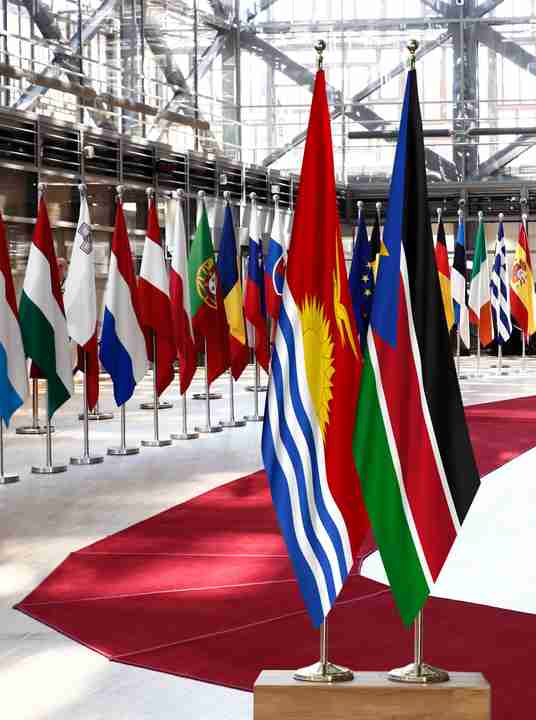
Kiribati South Sudan Flags
We have created a shared timeline for both Kiribati and South Sudan, allowing you to compare their leadership chronologically. For Kiribati, we have collected data on 13 Resident commissioners, 10 Presidents, and 6 other high-ranking officials since 1892. In South Sudan, we have gathered information on 7 Chairmen of the High Executive Council, 4 Chairmen of the Southern Sudan Coordination Council, and 5 other high-ranking officials since 1972.
Taneti Maamau

Taneti Maamau

President

Taneti Maamau

Taneti Maamau

Minister of Foreign Affairs

Salva Kiir Mayardit

Salva Kiir Mayardit

President

Cecilia Adut Manyok Adeng

Cecilia Adut Manyok Adeng

minister of Foreign Affairs
Loading...
South Sudan: A Nation Reshaping

South Sudan: A Nation Reshaping

Despite its youthful age, South Sudan exhibits a complex and distinctive demographic landscape that harbors significant potential for transformation. With the second highest population growth rate globally, its dynamic society is predominantly Christian, reflecting the cultural heritage that defines the nation's identity.

Kiribati's Demographic Distinction

Kiribati's Demographic Distinction

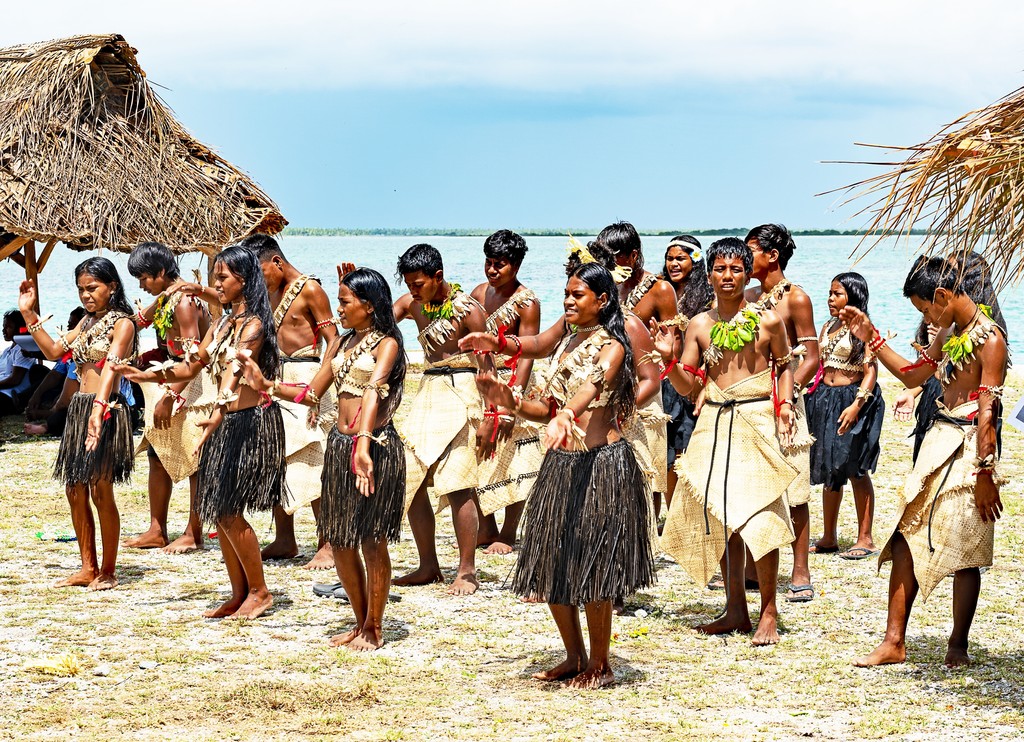
Kiribati, an idyllic archipelago nation nestled amidst the vastness of the Pacific Ocean, stands out as a unique demographic tapestry with a youthful population, vibrant religious identity, and interconnected global diaspora. Despite its compact landmass, Kiribati is home to a diverse and close-knit community, its people sharing deep-rooted traditions and a strong affinity with the sea.

South Sudan's Trade Prospects

South Sudan's Trade Prospects

South Sudan emerges as a notable player in the global energy market, driven by its robust oil sector, which accounts for a predominant share of its exports and a substantial contribution to its GDP. Despite being heavily dependent on crude exports, the country holds potential to leverage its resources and transition toward a more diversified and vibrant trade portfolio.

Kiribati's Trade in Harmony

Kiribati's Trade in Harmony

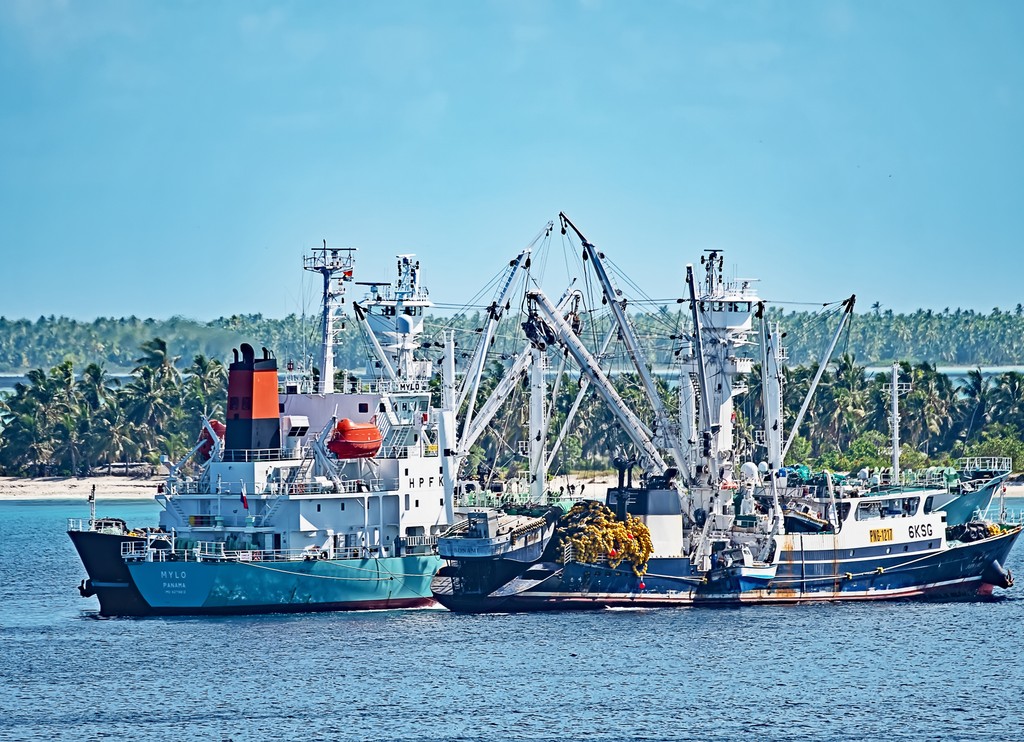
Amidst the world's tapestry of trade, Kiribati stands apart with a unique trade mix that weaves together the strengths of its marine economy and exports to major regional players. Despite its small size, the country maintains an open trade policy, ensuring the flow of goods and services essential for its development.

What's Inside the "Kiribati & South Sudan" Report?

Each Bilateral Navigator report is a vital resource for diplomats and business leaders, offering quick insights into a foreign country through comparison with their own. By analyzing 40 key areas, we calculate the similarities between Kiribati and South Sudan, covering topics like geography, economy, international relations, and culture. This empowers you to confidently engage in a new country, impressing your hosts with data-driven knowledge while celebrating the bilateral relationship rather than focusing on one country alone.

1. Geopolitical Context: Compare the geography, demographics, and transport systems of I-Kiribati and South Sudanese regions to uncover strategic advantages and shared interests.

2. Economic Synergy: Explore Kiribati and South Sudan's economic outputs, trade relations, investments, and tourism flows, highlighting complementary strengths.

3. Green Partnership: Examine how the countries align in agricultural practices, energy production, and environmental policies, advancing sustainability together.

4. Human Empowerment: Analyze the healthcare and education systems of both Kiribati and South Sudan, along with social equity and gender balance efforts, spotlighting progress in human development.

5. Innovation Nexus: Explore high-tech sectors, shared skills, and educational exchanges between I-Kiribati and South Sudanese, showcasing their roles in global innovation.

6. Political Landscape: Discover the governance structures, historical leadership trends, and security policies of Kiribati and South Sudan, shedding light on their political paths.

7. Diplomatic Cooperation: Review the diplomatic network between Kiribati and South Sudan, their multilateral treaties, and how closely they align in UN voting patterns, providing insight into their international relations.

8. Business Networking: Understand the professional exchanges and key industries that connect I-Kiribati and South Sudanese business communities, identifying opportunities for collaboration.

9. Communication & Media: Compare Kiribati and South Sudan's media landscapes, including telecom, social media engagement, and notable public figures historically or contemporarily connecting the two countries.

10. Shared Passions: From cultural heritage to sports achievements and cuisine, explore the cultural elements that bring I-Kiribati and South Sudanese together, highlighting areas of shared interest and enjoyment.