
Kazakhstan & Tunisia
The Ultimate Resource
for Diplomats and Business Leaders

Bilateral Similarity Index BSX:
59.1%

Did you know that Kazakhstan and Tunisia are most alike in athletic achievements?
Our team has distilled insights from 40 areas into a visually appealing 300-page, full-color hardcover report!

Kazakhstan's Geographical Significance
Spanning both Asia and Europe, Kazakhstan boasts the distinction of being one of the world's largest landlocked countries. This unique position offers strategic advantages as a commercial and cultural hub, connecting the vast Eurasian landmass to global trade routes.
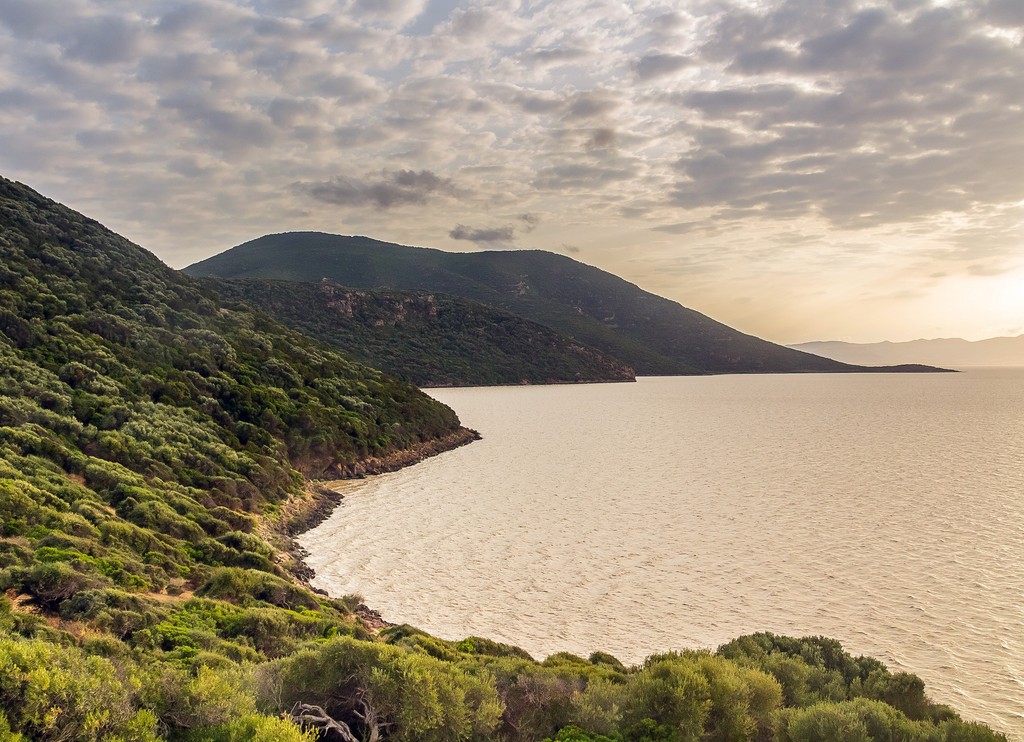
Geographical Features of Tunisia
Strategically positioned in North Africa with access to the Mediterranean Sea, Tunisia's diverse landscape offers numerous natural resources, shaping its identity and potential. Its terrain ranges from fertile coastal plains to arid deserts, boasting rich agricultural lands, estimated at over 30% of the nation’s surface.

Kazakhstan's Economic Ascendance
Kazakhstan's economy stands out in the global arena, marked by sustained growth and strategic advantages. The country's high GDP and GDP per capita reflect a robust and diversified economy.

Tunisia's Economic Prowess
Tunisia's economy stands out with resilience and growth potential, despite external headwinds. Its GDP and GNI growth rates reflect a stable trajectory, driven by robust exports, and positioned as the 80th and 76th largest economies globally, respectively.

Leadership Timeline

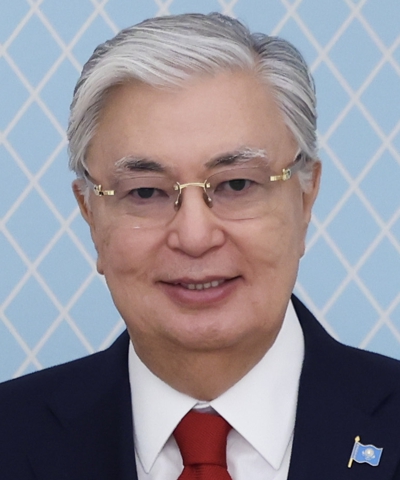
Kassym-Jomart Tokayev
President
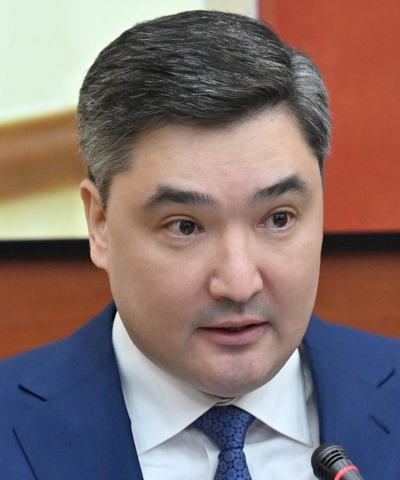
Oljas Bektenov
Prime Minister

Yermek Kosherbayev
Minister of Foreign Affairs
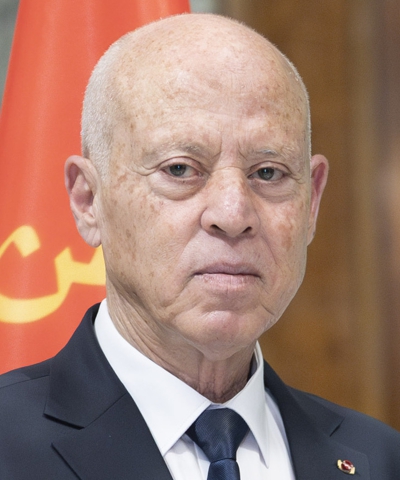
Kais Saied
President

Sara Zaafarani Zenzari
Prime Minister
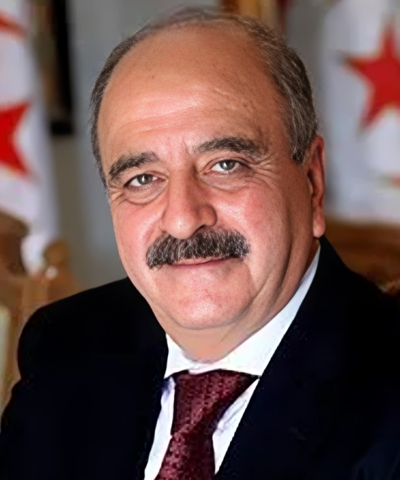
Mohamed Ali Nafti
Minister of Foreign Affairs


Tunisia's Population Dynamics
Tunisia stands out for its youthful and increasingly literate population, poised to drive the country's social and economic progress. Its total population of around 12 million positions Tunisia among the top 80 populous nations globally.

Kazakhstan's Demographic Panorama
Kazakhstan's demographic tapestry showcases a captivating blend of traditions and global influences. With a burgeoning population of 19 million, the nation ranks among the most populous countries worldwide, with growth propelled by both high birth rates and immigration from neighboring regions.

Tunisia's Dynamic Trade Profile
Tunisia has carved out a distinctive niche in the global trade arena, showcasing a dynamic mix of exports and imports that underpins its economic growth. Notably, the country boasts the second-highest export share of goods and services as a percentage of GDP among 193 analyzed nations, highlighting the significance of exports in its economic landscape.

Kazakhstan's Trade Strategies
Kazakhstan's trade sector presents a unique profile, emphasizing strategic exports and diverse import sources. With goods exports dominating at over 90%, Kazakhstan plays a significant role as a global commodities supplier, mainly due to its abundant oil and gas resources, as reflected in the high proportion of fuel exports.

What's Inside the "Kazakhstan & Tunisia" Report?
Each Bilateral Navigator report is a vital resource for diplomats and business leaders, offering quick insights into a foreign country through comparison with their own. By analyzing 40 key areas, we calculate the similarities between Kazakhstan and Tunisia, covering topics like geography, economy, international relations, and culture. This empowers you to confidently engage in a new country, impressing your hosts with data-driven knowledge while celebrating the bilateral relationship rather than focusing on one country alone.
1. Geopolitical Context: Compare the geography, demographics, and transport systems of Kazakh and Tunisian regions to uncover strategic advantages and shared interests.
2. Economic Synergy: Explore Kazakhstan and Tunisia's economic outputs, trade relations, investments, and tourism flows, highlighting complementary strengths.
3. Green Partnership: Examine how the countries align in agricultural practices, energy production, and environmental policies, advancing sustainability together.
4. Human Empowerment: Analyze the healthcare and education systems of both Kazakhstan and Tunisia, along with social equity and gender balance efforts, spotlighting progress in human development.
5. Innovation Nexus: Explore high-tech sectors, shared skills, and educational exchanges between Kazakhstanis and Tunisians, showcasing their roles in global innovation.
6. Political Landscape: Discover the governance structures, historical leadership trends, and security policies of Kazakhstan and Tunisia, shedding light on their political paths.
7. Diplomatic Cooperation: Review the diplomatic network between Kazakhstan and Tunisia, their multilateral treaties, and how closely they align in UN voting patterns, providing insight into their international relations.
8. Business Networking: Understand the professional exchanges and key industries that connect Kazakh and Tunisian business communities, identifying opportunities for collaboration.
9. Communication & Media: Compare Kazakhstan and Tunisia's media landscapes, including telecom, social media engagement, and notable public figures historically or contemporarily connecting the two countries.
10. Shared Passions: From cultural heritage to sports achievements and cuisine, explore the cultural elements that bring Kazakhstanis and Tunisians together, highlighting areas of shared interest and enjoyment.