Home / Books / Israel & Japan

BILATERAL NAVIGATOR

Israel & Japan

The Ultimate Resource for Diplomats and Business Leaders

Bilateral Similarity Index BSX: 63.3%
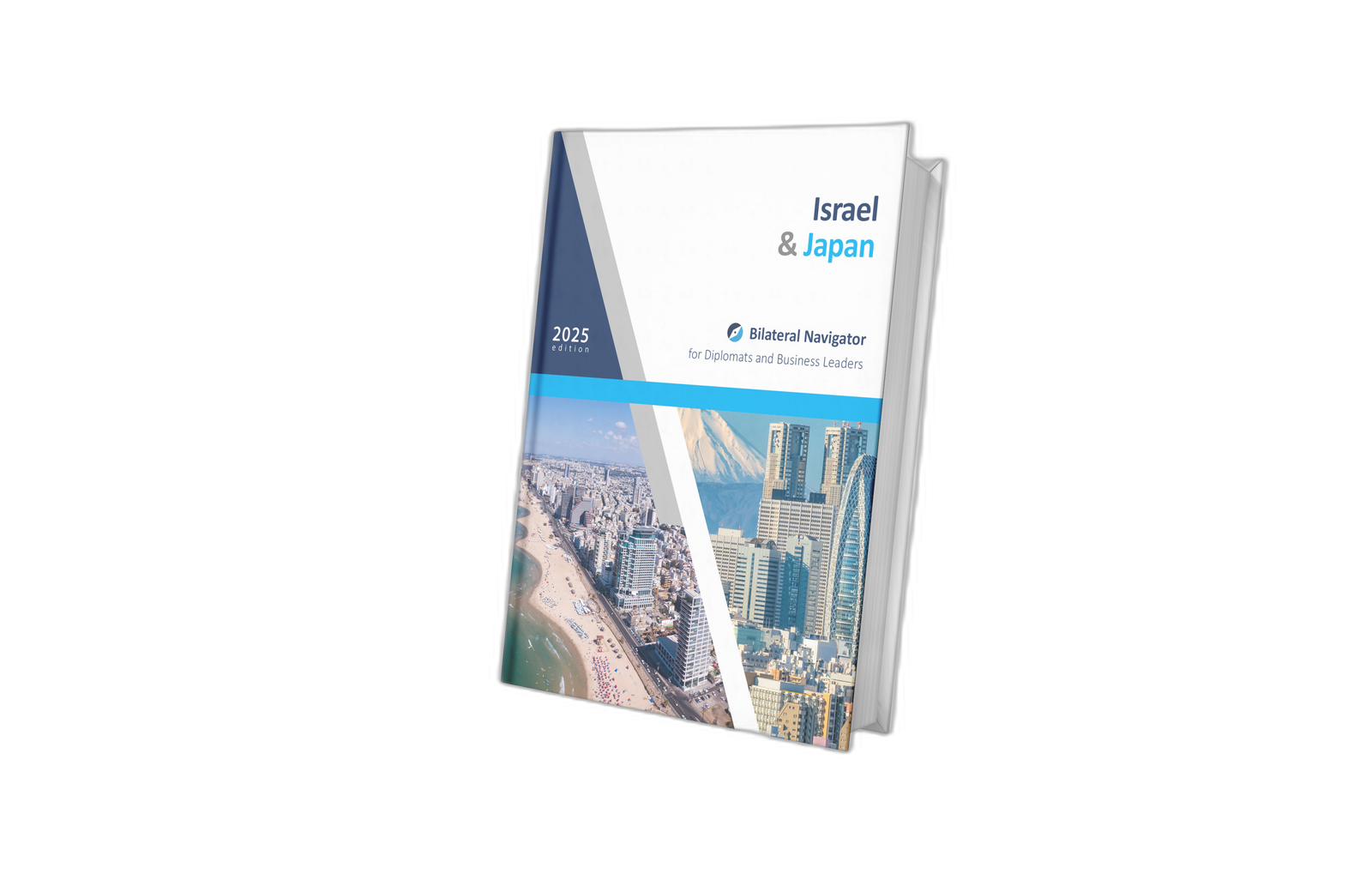
image of a book
list of countries

Isn't it fascinating that Israel and Japan are most alike in digital connectivity?

Our team analyzed 40 distinct areas to produce a comprehensive 300-page, full-color hardcover report just for you!
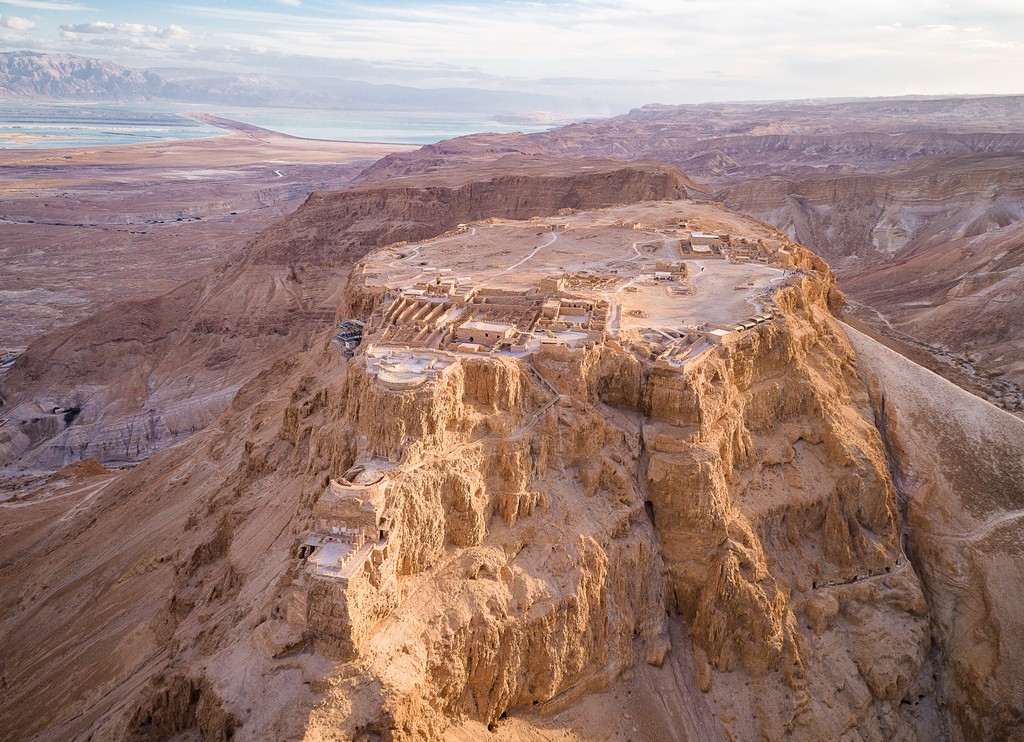

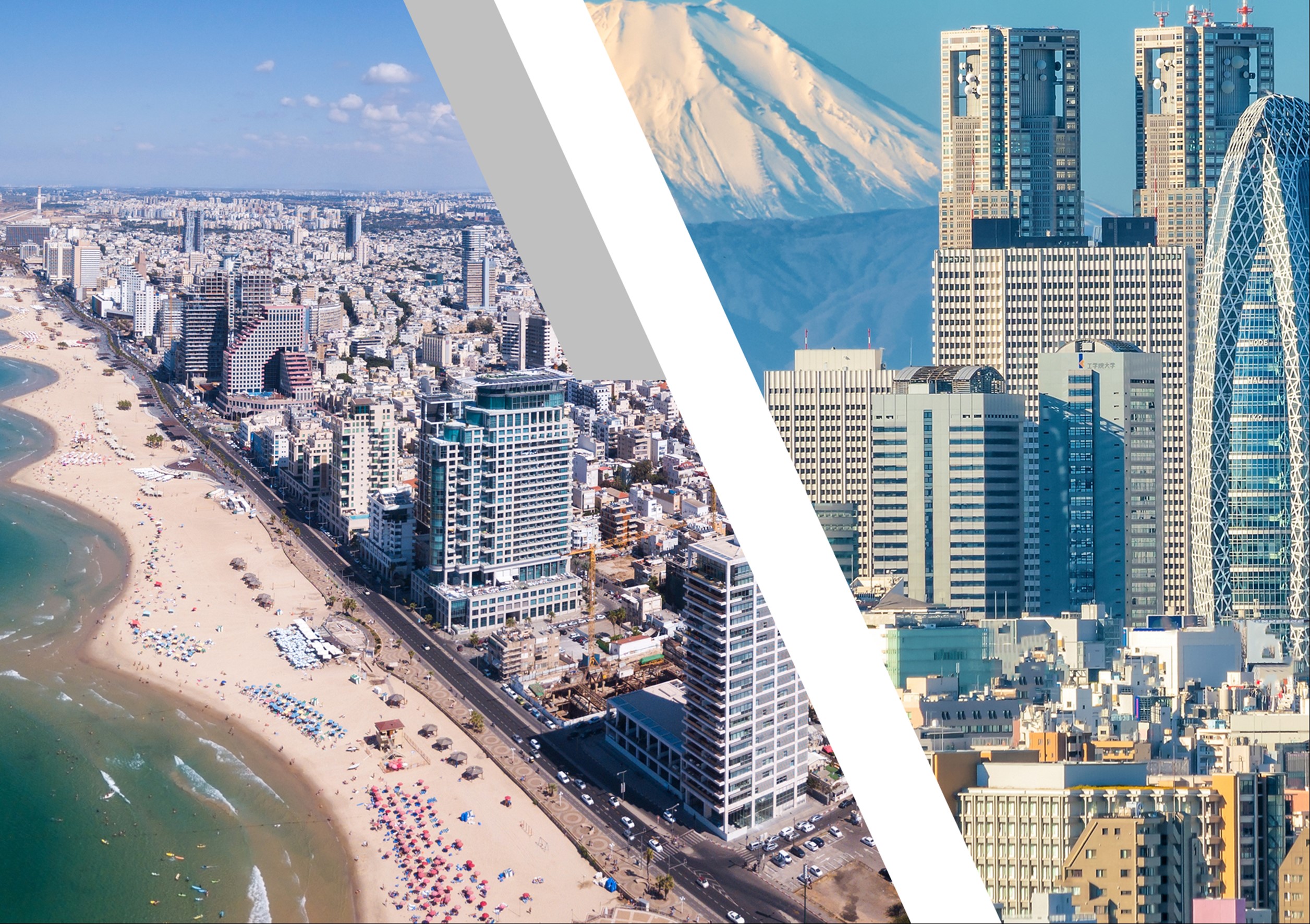
Geographic Character of Israel

Geographic Character of Israel

Amid the diverse landscape of the Middle East, Israel stands apart with a unique geographical profile that has played a pivotal role in its history, economy, and international standing. Its relatively small size of 21,640 square kilometers is belied by its coastline's captivating length of 273 kilometers, creating a gateway to the Mediterranean Sea and providing access to major global trade routes.

Japan's Geographic Treasures

Japan's Geographic Treasures

Japan's archipelagic form and geographic isolation define its remarkable characteristics. With a total area of 364,500 square kilometers and a stunning coastline spanning over 29,751 kilometers, the country has unparalleled maritime accessibility, with coastal shipping playing a vital role in its transportation system.

Israel's Economic Innovation Hub

Israel's Economic Innovation Hub

Israel's economy is a dynamic hub of innovation, ranking high on multiple global economic indicators. Its impressive GDP per capita and sustained GDP growth speak to its productive and innovative economy, while positive credit ratings reflect the strength of its economic fundamentals.

Japan's Economic Force

Japan's Economic Force

Japan, an economic powerhouse, ranks among the world's largest economies with a remarkable GDP, despite experiencing slower growth in recent years. This underscores its economic resilience and continued global significance.

LEADERSHIP

Leadership Timeline

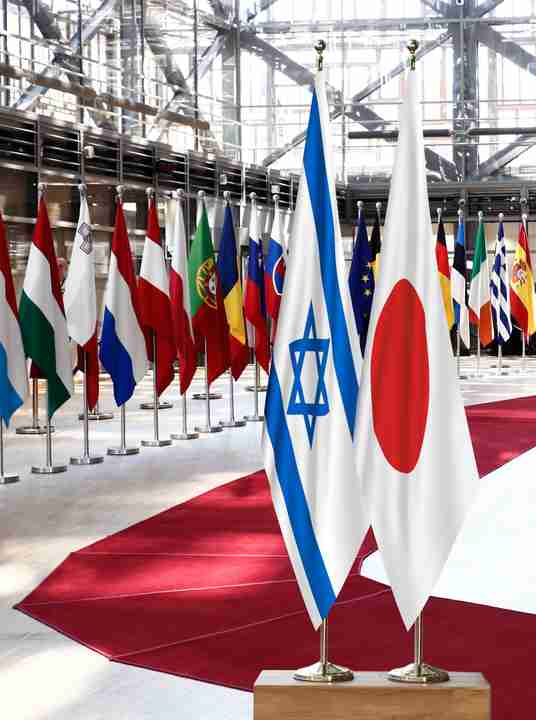
Israel Japan Flags
We have created a shared timeline for both Israel and Japan, allowing you to compare their leadership chronologically. For Israel, we have collected data on 17 Presidents, 22 Prime ministers, and 14 other high-ranking officials since 1917. In Japan, we have gathered information on 29 Era names, 83 Prime ministers, and 28 other high-ranking officials since 1680.
Isaac Herzog

Isaac Herzog

President

Benjamin Netanyahu

Benjamin Netanyahu

Prime Minister

Gideon Sa'ar

Gideon Sa'ar

Minister of Foreign Affairs

Naruhito

Naruhito

Emperor

Sanae Takaichi

Sanae Takaichi

Prime Minister

Toshimitsu Motegi

Toshimitsu Motegi

Minister of Foreign Affairs
Loading...
Japan's Population Dynamics

Japan's Population Dynamics

Japan, with its 126 million citizens, embodies a dynamic demographic landscape poised for growth and resilience. As one of the world's most rapidly aging nations, Japan proudly holds the highest life expectancy, standing at an exceptional 84.

Israel: Vibrant Demographic Mosaic

Israel: Vibrant Demographic Mosaic

Israel's demographics present a rich and multifaceted landscape, defined by a unique blend of population density, cultural diversity, and global connectedness. Despite being one of the smallest countries in the Middle East, Israel's dynamic population of nearly nine and a half million creates a melting pot of cultures.

Japan's Trade Panorama

Japan's Trade Panorama

Japan's trade landscape stands out globally, characterized by a balanced export-import structure and a high reliance on advanced industries. With exports accounting for 18.

Israel: A High-Tech Trade Hub

Israel: A High-Tech Trade Hub

Israel's trade landscape positions it as a global player with unique characteristics and strategic advantages. Exports represent a significant portion of the country's GDP, demonstrating a strong outward orientation, led by high-technology goods, which account for over a quarter of manufactured exports, signaling a competitive advantage in the global tech industry.

What's Inside the "Israel & Japan" Report?

Each Bilateral Navigator report is a vital resource for diplomats and business leaders, offering quick insights into a foreign country through comparison with their own. By analyzing 40 key areas, we calculate the similarities between Israel and Japan, covering topics like geography, economy, international relations, and culture. This empowers you to confidently engage in a new country, impressing your hosts with data-driven knowledge while celebrating the bilateral relationship rather than focusing on one country alone.

1. Geopolitical Context: Compare the geography, demographics, and transport systems of Israeli and Japanese regions to uncover strategic advantages and shared interests.

2. Economic Synergy: Explore Israel and Japan's economic outputs, trade relations, investments, and tourism flows, highlighting complementary strengths.

3. Green Partnership: Examine how the countries align in agricultural practices, energy production, and environmental policies, advancing sustainability together.

4. Human Empowerment: Analyze the healthcare and education systems of both Israel and Japan, along with social equity and gender balance efforts, spotlighting progress in human development.

5. Innovation Nexus: Explore high-tech sectors, shared skills, and educational exchanges between Israelis and Japanese, showcasing their roles in global innovation.

6. Political Landscape: Discover the governance structures, historical leadership trends, and security policies of Israel and Japan, shedding light on their political paths.

7. Diplomatic Cooperation: Review the diplomatic network between Israel and Japan, their multilateral treaties, and how closely they align in UN voting patterns, providing insight into their international relations.

8. Business Networking: Understand the professional exchanges and key industries that connect Israeli and Japanese business communities, identifying opportunities for collaboration.

9. Communication & Media: Compare Israel and Japan's media landscapes, including telecom, social media engagement, and notable public figures historically or contemporarily connecting the two countries.

10. Shared Passions: From cultural heritage to sports achievements and cuisine, explore the cultural elements that bring Israelis and Japanese together, highlighting areas of shared interest and enjoyment.