
Iraq & North Korea
The Ultimate Resource
for Diplomats and Business Leaders

Bilateral Similarity Index BSX:
42.7%

Isn't it fascinating that Iraq and North Korea show strongest alignment in agrarian potenatials?
Our team has distilled insights from 40 areas into a visually appealing 300-page, full-color hardcover report!

Geographic Crossroads of Iraq
Strategically positioned at the heart of the Middle East, Iraq stands as a geographic crossroads connecting multiple civilizations, natural resources, and ecosystems. Spanning over 434,128 square kilometers, Iraq possesses the 57th-largest landmass globally.

Korea, DPRK's Distinctive Terrain
Korea, Democratic People's Republic of's unique geographical positioning shapes its identity and prospects. Situated at the convergence of mainland Asia and the Korean Peninsula, its landscape is characterized by vast forests blanketing over half the country and forming an integral part of its ecosystem.

Iraq's Resilient Economic Footprints
Despite facing challenges, Iraq's economy displays resilience and growth potential, offering a unique vantage point in the global economic landscape. With the largest oil reserves in the world, the country commands a significant role in the energy sector and boasts a high industry share (51%) in its GDP.

DPRK's Unique Economic Profile
The Democratic People's Republic of Korea (DPRK) presents a distinct economic profile, characterized by a centrally planned system, resilient agricultural sector, and focus on industrial development. Notably, the country's agriculture sector ranks among the top 35 globally, showcasing the DPRK's ability to produce a significant portion of its food supply.

Leadership Timeline

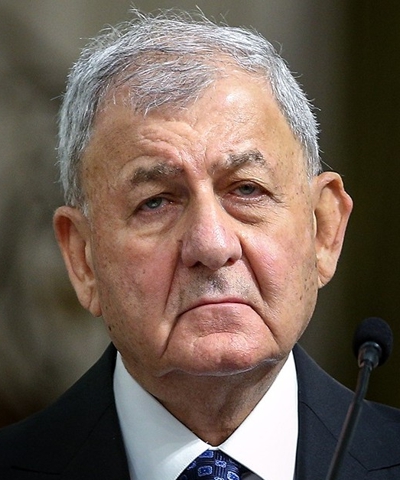
Abdul Latif Rashid
President
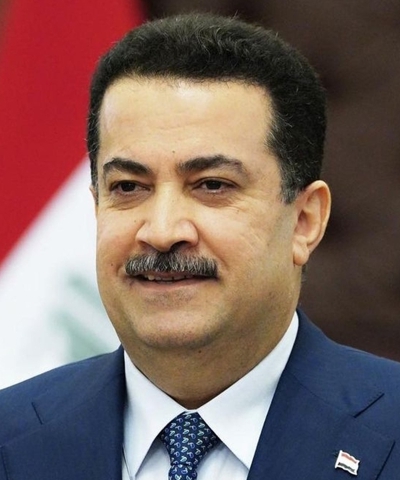
Mohammed Shia' Al Sudani
Prime Minister
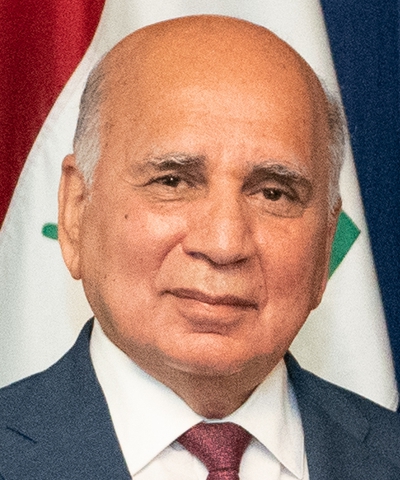
Fuad Hussein
Minister of Foreign Affairs
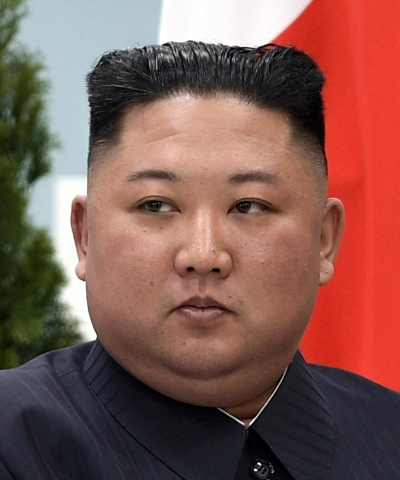
Kim Jong-un
Supreme Leader
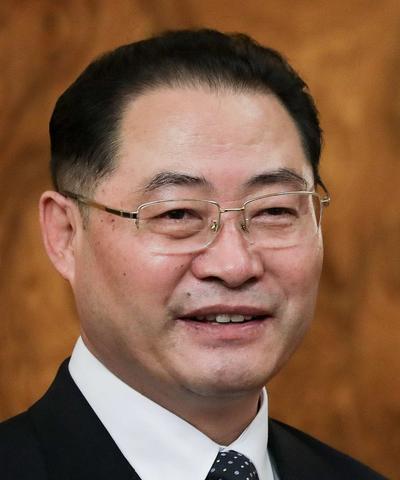
Pak Thae Song
Premier
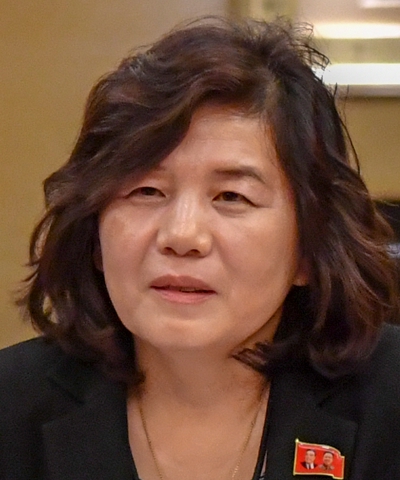
Choe Son-hui
Minister of Foreign Affairs


Korea, DPRK's Population Uniqueness
The Democratic People's Republic of Korea presents a compelling demographic profile characterized by relative stability, a predominantly young population, and a distinct cultural identity. With a population of approximately 26 million, the country ranks 54th globally and exhibits a steady growth rate of 0.

Iraq: A Crucible of Cultures
Iraq, a nation at the heart of the Middle East, stands out for its youthful population, religious tapestry, and global diaspora. With a dynamic population of over 44 million, Iraq boasts the 36th largest population globally.

Korea, Democratic People's Republic of: Trade Networks
Korea, Democratic People's Republic of showcases a robust trade mix, playing a vital role in its economy. The country holds an exceptional position, with China as its dominant trading partner, contributing to over 80% of both exports and imports.

Iraq's Trade: A Dynamic Hub
Iraq's position in the global trade landscape is unique due to its dominance in the fuel exports sector, where it holds the unparalleled top rank globally. Accounting for 100% of its export commodities, the country leverages its extensive reserves to become the primary supplier in the international market, a strategic advantage it capitalizes on in various trade negotiations and agreements.

What's Inside the "Iraq & North Korea" Report?
Each Bilateral Navigator report is a vital resource for diplomats and business leaders, offering quick insights into a foreign country through comparison with their own. By analyzing 40 key areas, we calculate the similarities between Iraq and North Korea, covering topics like geography, economy, international relations, and culture. This empowers you to confidently engage in a new country, impressing your hosts with data-driven knowledge while celebrating the bilateral relationship rather than focusing on one country alone.
1. Geopolitical Context: Compare the geography, demographics, and transport systems of Iraqi and Korean regions to uncover strategic advantages and shared interests.
2. Economic Synergy: Explore Iraq and North Korea's economic outputs, trade relations, investments, and tourism flows, highlighting complementary strengths.
3. Green Partnership: Examine how the countries align in agricultural practices, energy production, and environmental policies, advancing sustainability together.
4. Human Empowerment: Analyze the healthcare and education systems of both Iraq and North Korea, along with social equity and gender balance efforts, spotlighting progress in human development.
5. Innovation Nexus: Explore high-tech sectors, shared skills, and educational exchanges between Iraqis and Koreans, showcasing their roles in global innovation.
6. Political Landscape: Discover the governance structures, historical leadership trends, and security policies of Iraq and North Korea, shedding light on their political paths.
7. Diplomatic Cooperation: Review the diplomatic network between Iraq and North Korea, their multilateral treaties, and how closely they align in UN voting patterns, providing insight into their international relations.
8. Business Networking: Understand the professional exchanges and key industries that connect Iraqi and Korean business communities, identifying opportunities for collaboration.
9. Communication & Media: Compare Iraq and North Korea's media landscapes, including telecom, social media engagement, and notable public figures historically or contemporarily connecting the two countries.
10. Shared Passions: From cultural heritage to sports achievements and cuisine, explore the cultural elements that bring Iraqis and Koreans together, highlighting areas of shared interest and enjoyment.