
Iran & Mexico
The Ultimate Resource
for Diplomats and Business Leaders

Bilateral Similarity Index BSX:
59.9%

Ever wonder if Iran and Mexico are most similar in educational frameworks?
Dive into our meticulously researched 300-page hardcover report, featuring full-color analysis across 40 areas!

Geographical Strength of Iran
The geography of Iran, Islamic Republic of distinguishes it with an advantageous blend of expansive territory and natural resources. Ranked 17th globally in land area, Iran stretches over 1.

Geographical Uniqueness of Mexico
Mexico's geographical features endow it with an advantageous position on the global stage. Its massive land area, ranking 13th globally, grants it an expansive territory to support its substantial population and robust economy.

Iran's Economic Opportunities
Iran's Islamic Republic's vast natural resources and population endow it with tremendous economic potential, despite ongoing international sanctions. Ranking among the top 20 globally in GDP, Iran possesses a high GDP per capita (by purchasing power parity), reflecting the strength of its domestic economy.

Mexico's Economic Pulse
Mexico's economy pulses with a unique rhythm, situating the country as a global force and a magnet for international collaboration. The nation's vast GDP, coupled with strong growth rates, underscores its economic prowess.

Leadership Timeline


Masoud Pezeshkian
President
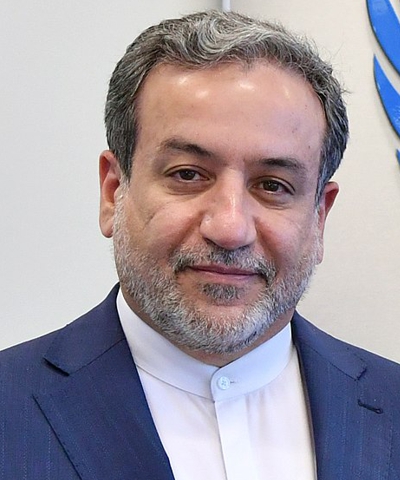
Abbas Araqchi
Minister of Foreign Affairs (acting)

Claudia Sheinbaum
President

Juan Ramón de la Fuente
Minister of Foreign Affairs


Mexico: Dynamic Demographics
Mexico's vibrant demographic landscape shapes its identity as a youthful, urbanized nation with a robust diaspora. With nearly 130 million people, it stands among the ten most populous countries globally, showcasing its size and strategic potential.

Iran's Demographic Destiny
Iran, a nation brimming with over 88 million souls, possesses a dynamic demographic landscape that is instrumental to its regional prominence and global potential. While its population growth rate has decelerated, remaining below the global average, it presents a distinct opportunity for strategic planning and sustainable development.

Mexico's Trade Dynamics
Mexico's strategic trade networks, with exports of goods and services accounting for over 40% of its GDP, place the country in a pivotal global trade position. Its trade mix showcases an array of sectors, including automobiles, electronics, and energy, highlighting Mexico's diverse production capabilities.

Iran's Trade Connectivity
Iran, Islamic Republic of, boasts a vibrant trade landscape that contributes to its global presence and economic development. Despite the ongoing international sanctions, Iran's exports have witnessed a healthy 22.

What's Inside the "Iran & Mexico" Report?
Each Bilateral Navigator report is a vital resource for diplomats and business leaders, offering quick insights into a foreign country through comparison with their own. By analyzing 40 key areas, we calculate the similarities between Iran and Mexico, covering topics like geography, economy, international relations, and culture. This empowers you to confidently engage in a new country, impressing your hosts with data-driven knowledge while celebrating the bilateral relationship rather than focusing on one country alone.
1. Geopolitical Context: Compare the geography, demographics, and transport systems of Iranian and Mexican regions to uncover strategic advantages and shared interests.
2. Economic Synergy: Explore Iran and Mexico's economic outputs, trade relations, investments, and tourism flows, highlighting complementary strengths.
3. Green Partnership: Examine how the countries align in agricultural practices, energy production, and environmental policies, advancing sustainability together.
4. Human Empowerment: Analyze the healthcare and education systems of both Iran and Mexico, along with social equity and gender balance efforts, spotlighting progress in human development.
5. Innovation Nexus: Explore high-tech sectors, shared skills, and educational exchanges between Iranians and Mexicans, showcasing their roles in global innovation.
6. Political Landscape: Discover the governance structures, historical leadership trends, and security policies of Iran and Mexico, shedding light on their political paths.
7. Diplomatic Cooperation: Review the diplomatic network between Iran and Mexico, their multilateral treaties, and how closely they align in UN voting patterns, providing insight into their international relations.
8. Business Networking: Understand the professional exchanges and key industries that connect Iranian and Mexican business communities, identifying opportunities for collaboration.
9. Communication & Media: Compare Iran and Mexico's media landscapes, including telecom, social media engagement, and notable public figures historically or contemporarily connecting the two countries.
10. Shared Passions: From cultural heritage to sports achievements and cuisine, explore the cultural elements that bring Iranians and Mexicans together, highlighting areas of shared interest and enjoyment.