Home / Books / Estonia & Philippines

BILATERAL NAVIGATOR

Estonia & Philippines

The Ultimate Resource for Diplomats and Business Leaders

Bilateral Similarity Index BSX: 52.8%
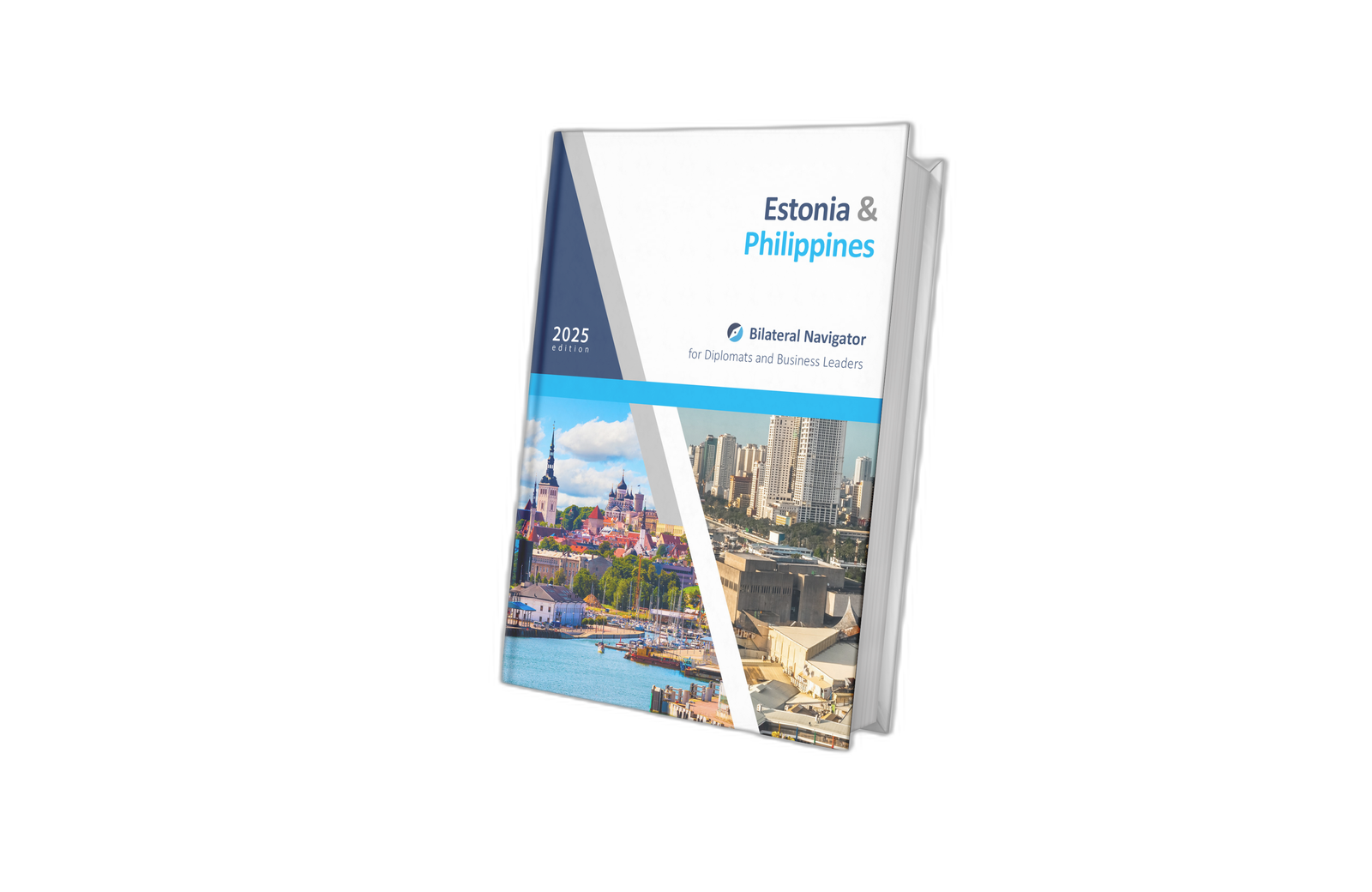
image of a book
list of countries

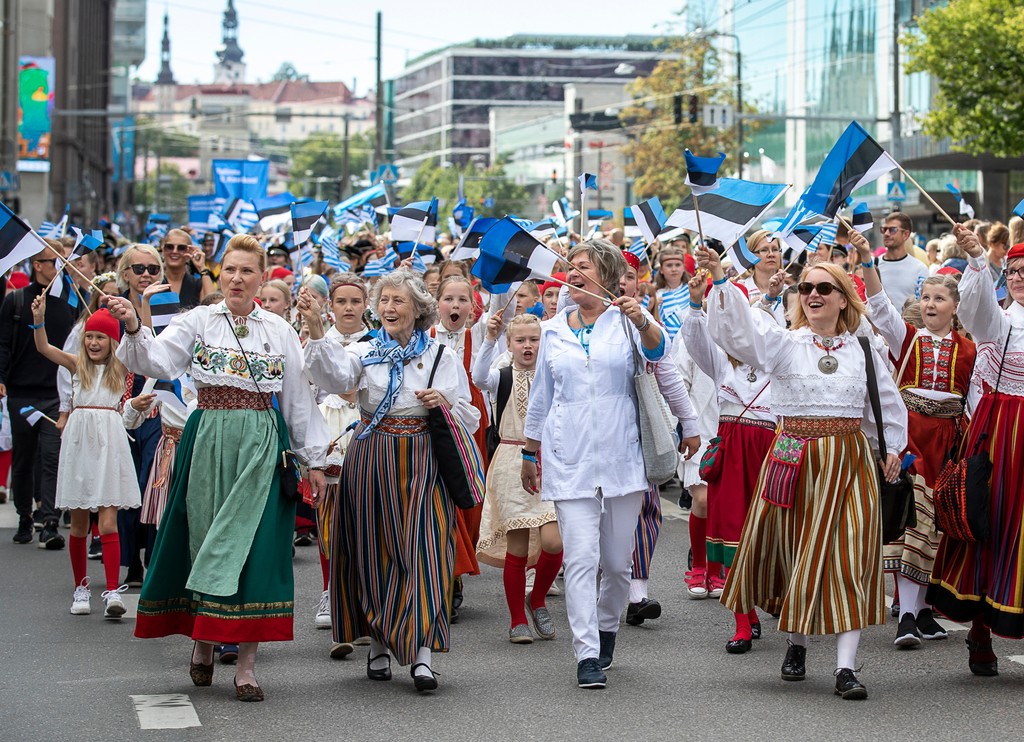
Isn't it fascinating that Estonia and the Philippines have the highest similarity in cultural heritage?

We've compiled our findings from 40 areas into an eye-catching 300-page hardcover report with full-color images!
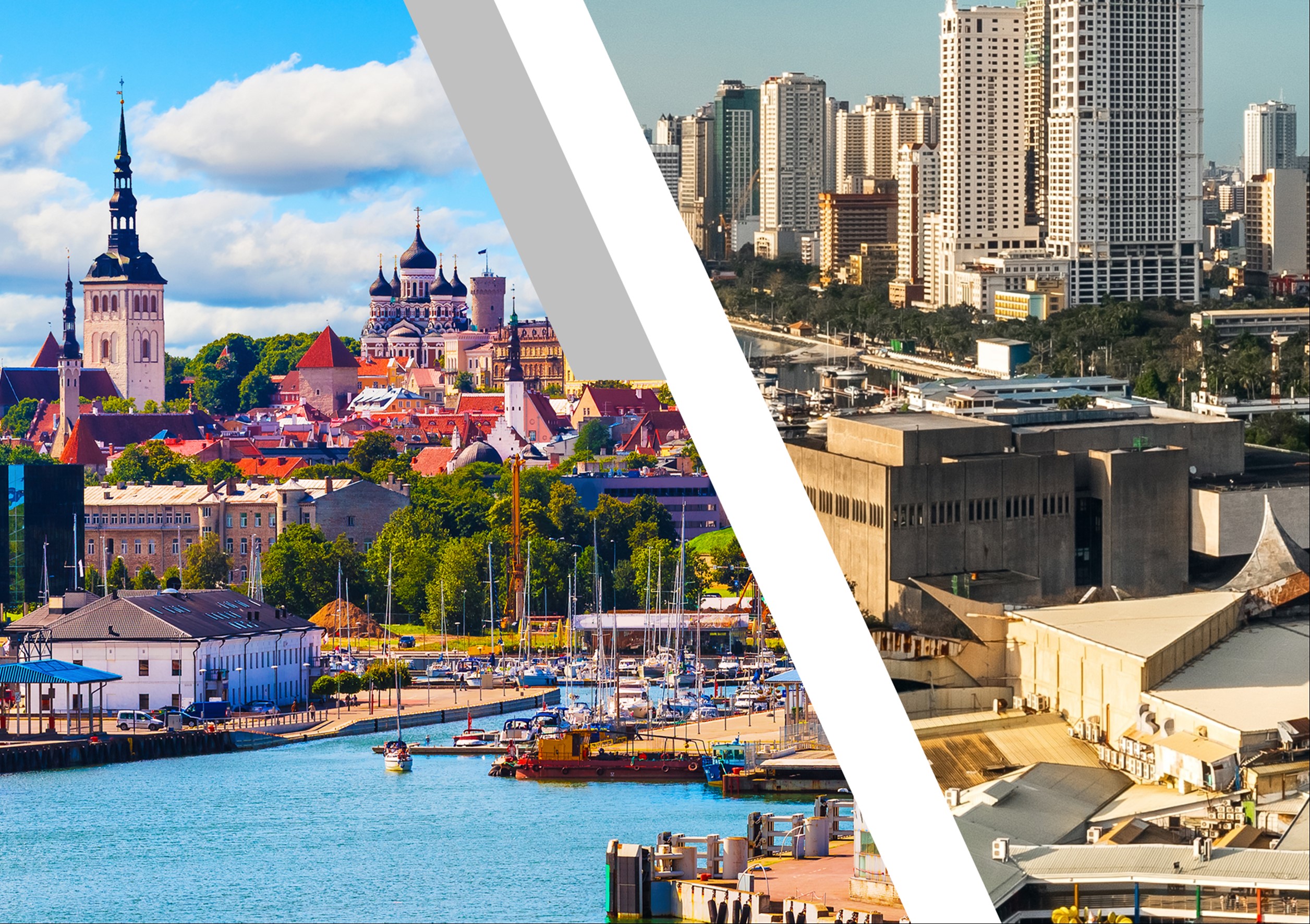
Estonia: Northern Gateway

Estonia: Northern Gateway

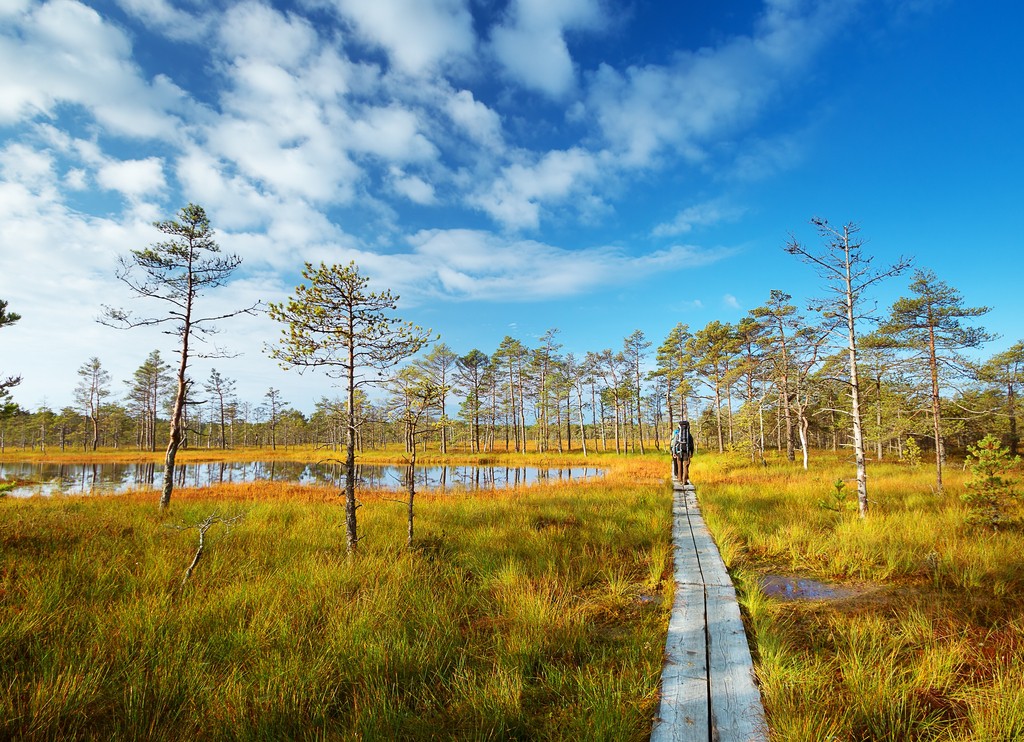
Estonia's geographic uniqueness lies in its strategic location at the crossroads of Eastern and Northern Europe. It's a bridge between continental and maritime influences, with a serene coastline dotted by over 2,355 islands—the 16th highest in the world.

Unique Geography of the Philippines

Unique Geography of the Philippines

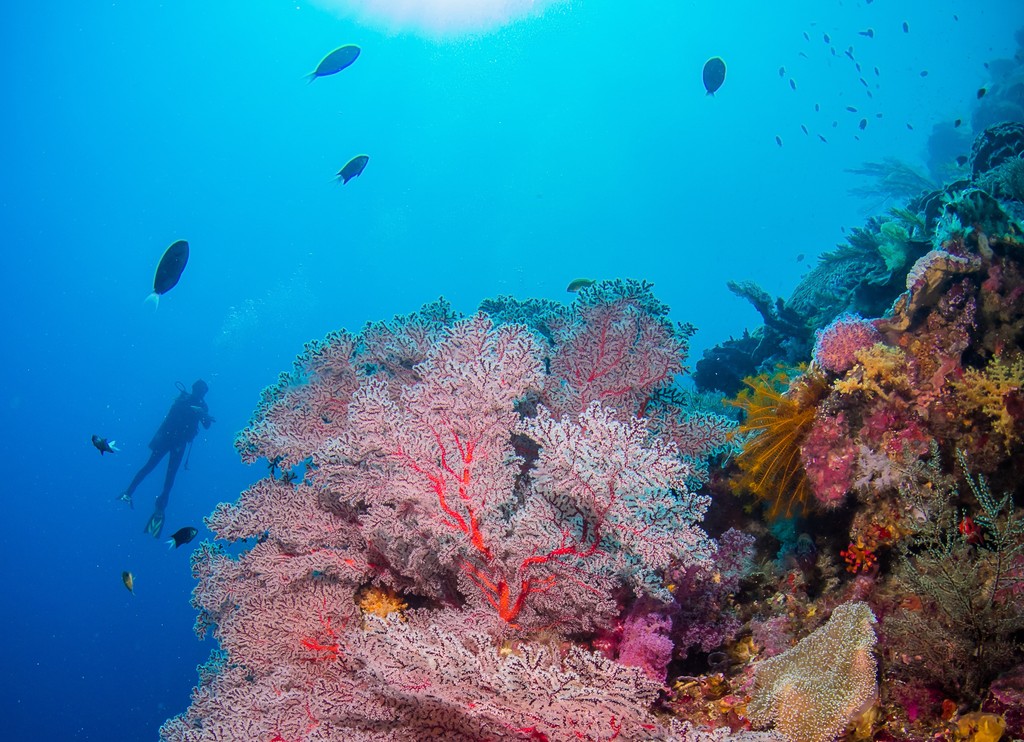
The Philippines, located in Southeast Asia, stands out for its remarkable geographical diversity. Its sprawling archipelago encompasses 7,641 islands, including 11 that constitute 95% of its landmass.

Estonia's Digital and Open Economy

Estonia's Digital and Open Economy

Estonia's economy distinguishes itself through a robust digital infrastructure, export orientation, and strong global linkages. As one of the top performers in the ease of doing business rankings, Estonia has streamlined its administrative processes, reducing the time and steps required to establish businesses.

Philippines' Economic Pulse

Philippines' Economic Pulse

The Philippine economy radiates dynamism in the global arena, underpinned by robust growth and international engagement. The country's high GDP ranking (29th globally) and impressive GDP growth rate (5.

LEADERSHIP

Leadership Timeline

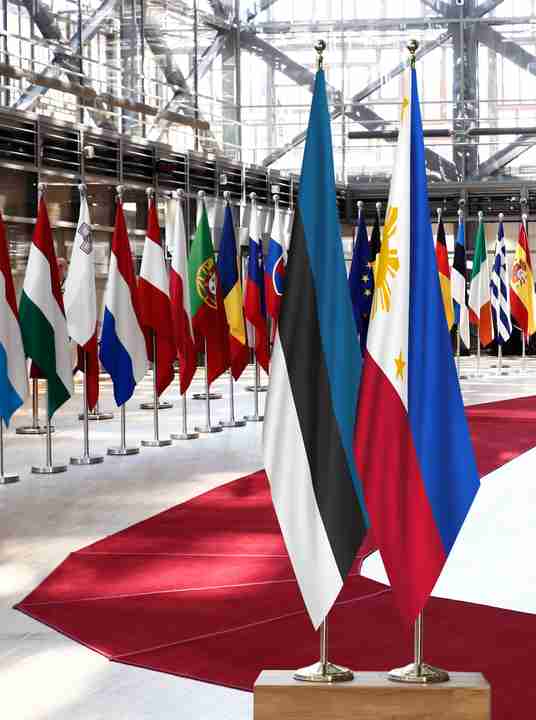
Estonia Philippines Flags
We have created a shared timeline for both Estonia and Philippines, allowing you to compare their leadership chronologically. For Estonia, we have collected data on 31 Russian governors, 23 Prime ministers, and 32 other high-ranking officials since 1687. In Philippines, we have gathered information on 100 Governors-general, 19 Presidents, and 19 other high-ranking officials since 1690.
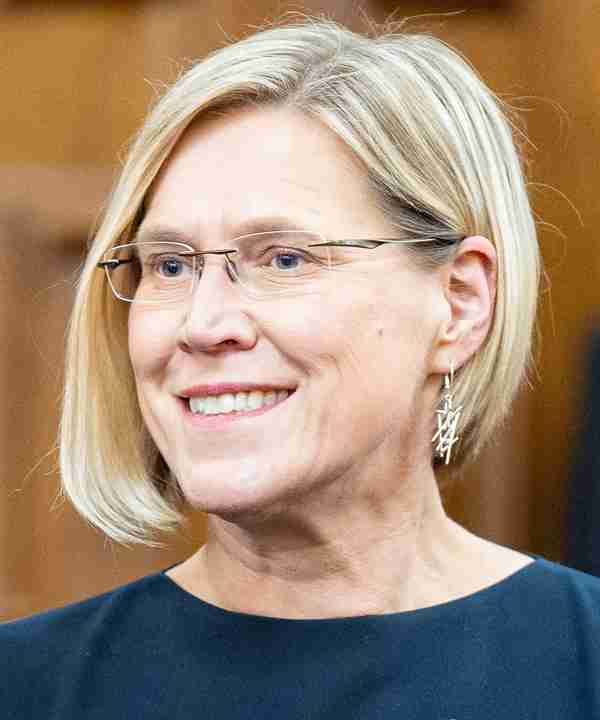
Ülle Madise

Ülle Madise

President

Kristen Michal

Kristen Michal

Prime Minister

Margus Tsahkna

Margus Tsahkna

Minister of Foreign Affairs
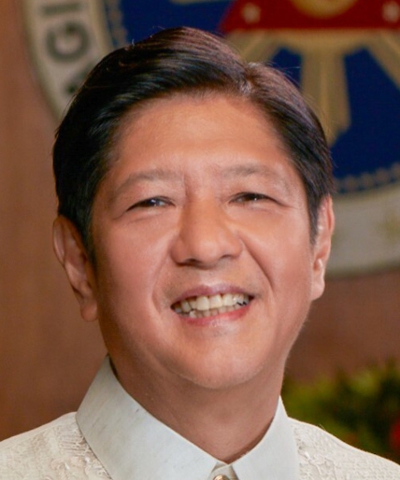
Ferdinand Marcos, Jr.

Ferdinand Marcos, Jr.

President

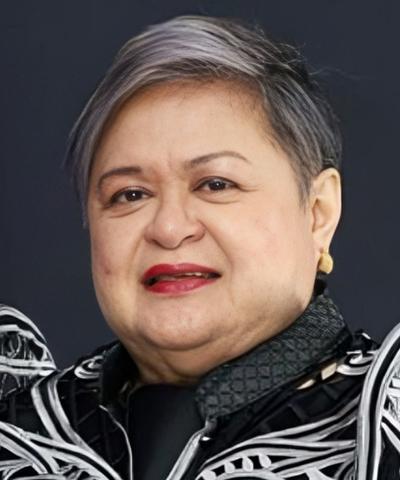
Ma. Theresa P. Lazaro

Ma. Theresa P. Lazaro

Secretary of Foreign Affairs
Loading...
Philippine Demographics: Key Insights

Philippine Demographics: Key Insights

The Philippines boasts a vibrant and youthful population of nearly 114 million people, positioned 13th globally, with a significant working-age demographic of 64% between the ages of 15 and 64. This young and dynamic workforce is one of the country's greatest assets, driving economic growth and social development.

Estonia's Demography: Embracing Diversity

Estonia's Demography: Embracing Diversity

Estonia's demographic landscape exhibits both tradition and modernity, reflecting its rich history and cultural influences. The population, with an aging trend yet moderate growth, presents opportunities for sustainable growth and a well-supported aging population.

Philippines' Flourishing Trade Networks

Philippines' Flourishing Trade Networks

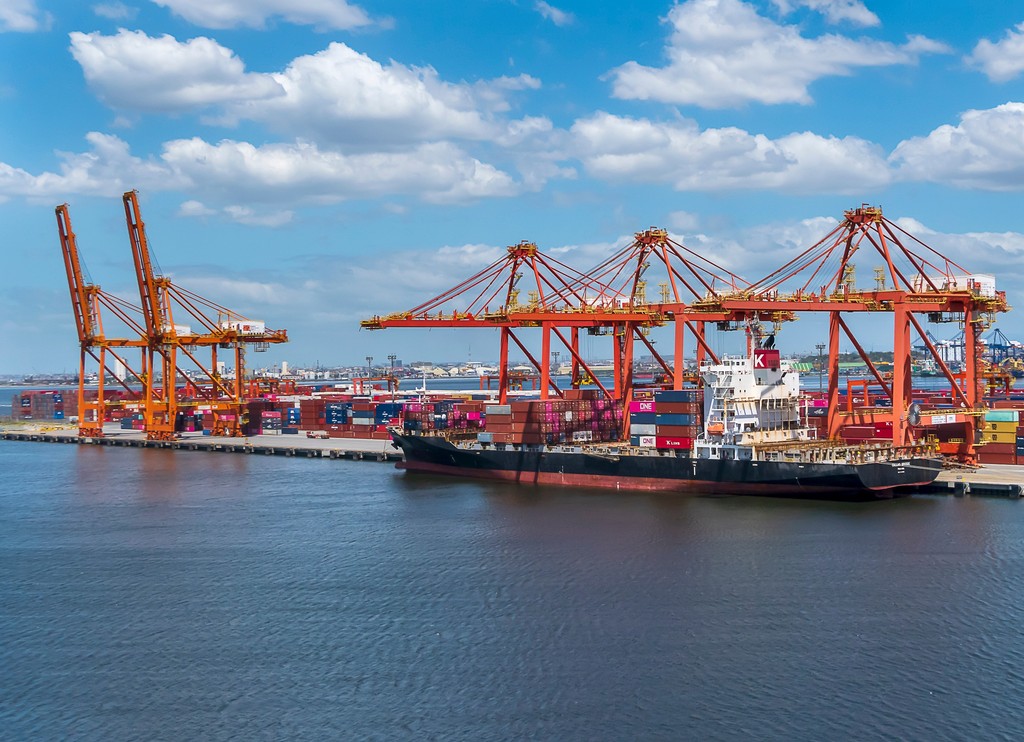
The Philippines stands out for its unique trade mix, where its export profile exhibits strengths in high-technology products, while its import basket remains largely diversified, fueled by consumer demand and industrial inputs. The electronics industry has flourished as the primary driver of exports, with the country boasting the distinction of holding the highest global ranking in high-tech exports, driven by the dominance of semiconductors.

Estonia: A Thriving Trade Hub

Estonia: A Thriving Trade Hub

Estonia stands out with a strong export-driven economy, ranked among the top 20 globally for exports as a percentage of GDP at 78.3%.

What's Inside the "Estonia & Philippines" Report?

Each Bilateral Navigator report is a vital resource for diplomats and business leaders, offering quick insights into a foreign country through comparison with their own. By analyzing 40 key areas, we calculate the similarities between Estonia and the Philippines, covering topics like geography, economy, international relations, and culture. This empowers you to confidently engage in a new country, impressing your hosts with data-driven knowledge while celebrating the bilateral relationship rather than focusing on one country alone.

1. Geopolitical Context: Compare the geography, demographics, and transport systems of Estonian and Philippine regions to uncover strategic advantages and shared interests.

2. Economic Synergy: Explore Estonia and the Philippines' economic outputs, trade relations, investments, and tourism flows, highlighting complementary strengths.

3. Green Partnership: Examine how the countries align in agricultural practices, energy production, and environmental policies, advancing sustainability together.

4. Human Empowerment: Analyze the healthcare and education systems of both Estonia and the Philippines, along with social equity and gender balance efforts, spotlighting progress in human development.

5. Innovation Nexus: Explore high-tech sectors, shared skills, and educational exchanges between Estonians and Filipinos, showcasing their roles in global innovation.

6. Political Landscape: Discover the governance structures, historical leadership trends, and security policies of Estonia and the Philippines, shedding light on their political paths.

7. Diplomatic Cooperation: Review the diplomatic network between Estonia and the Philippines, their multilateral treaties, and how closely they align in UN voting patterns, providing insight into their international relations.

8. Business Networking: Understand the professional exchanges and key industries that connect Estonian and Philippine business communities, identifying opportunities for collaboration.

9. Communication & Media: Compare Estonia and the Philippines' media landscapes, including telecom, social media engagement, and notable public figures historically or contemporarily connecting the two countries.

10. Shared Passions: From cultural heritage to sports achievements and cuisine, explore the cultural elements that bring Estonians and Filipinos together, highlighting areas of shared interest and enjoyment.