Home / Books / Eq. Guinea & Micronesia

BILATERAL NAVIGATOR

Eq. Guinea & Micronesia

The Ultimate Resource for Diplomats and Business Leaders

Bilateral Similarity Index BSX: 41.9%
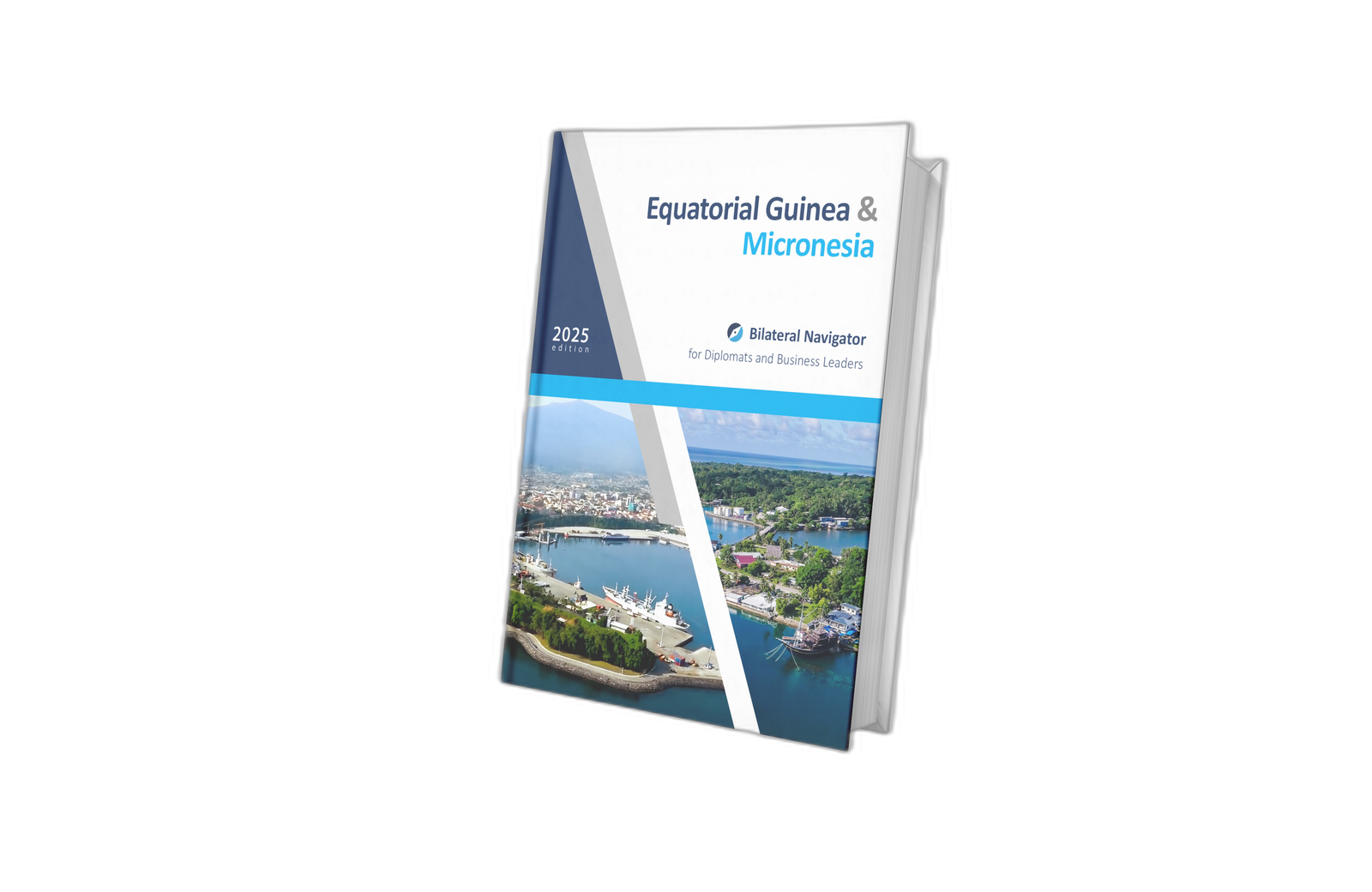
image of a book
list of countries

Would it surprise you to learn that Equatorial Guinea and Micronesia show strongest alignment in leadership dynamics?

Our team analyzed 40 distinct areas to produce a comprehensive 300-page, full-color hardcover report just for you!
Equatorial Guinea's Geopolitical Advantages

Equatorial Guinea's Geopolitical Advantages

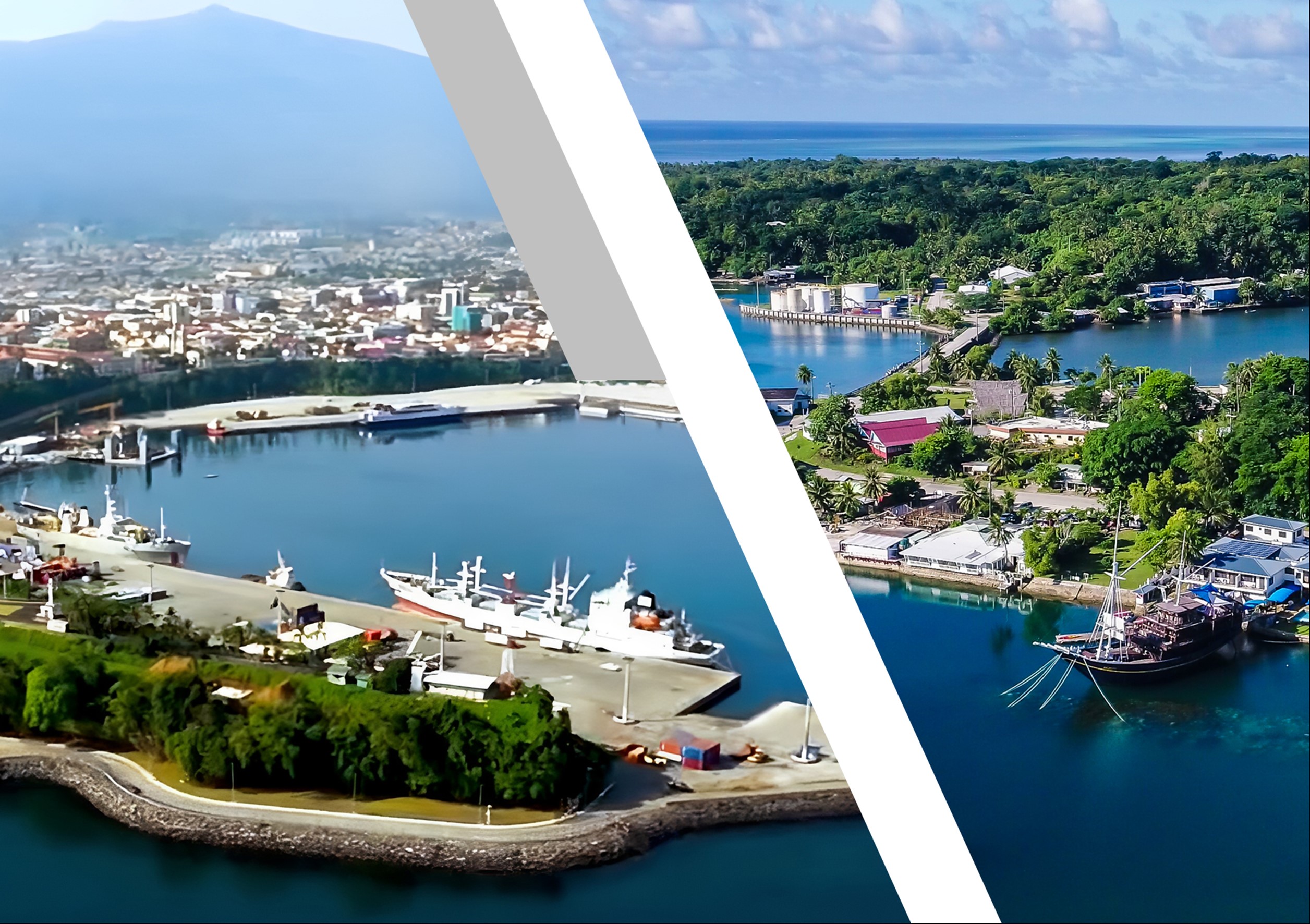
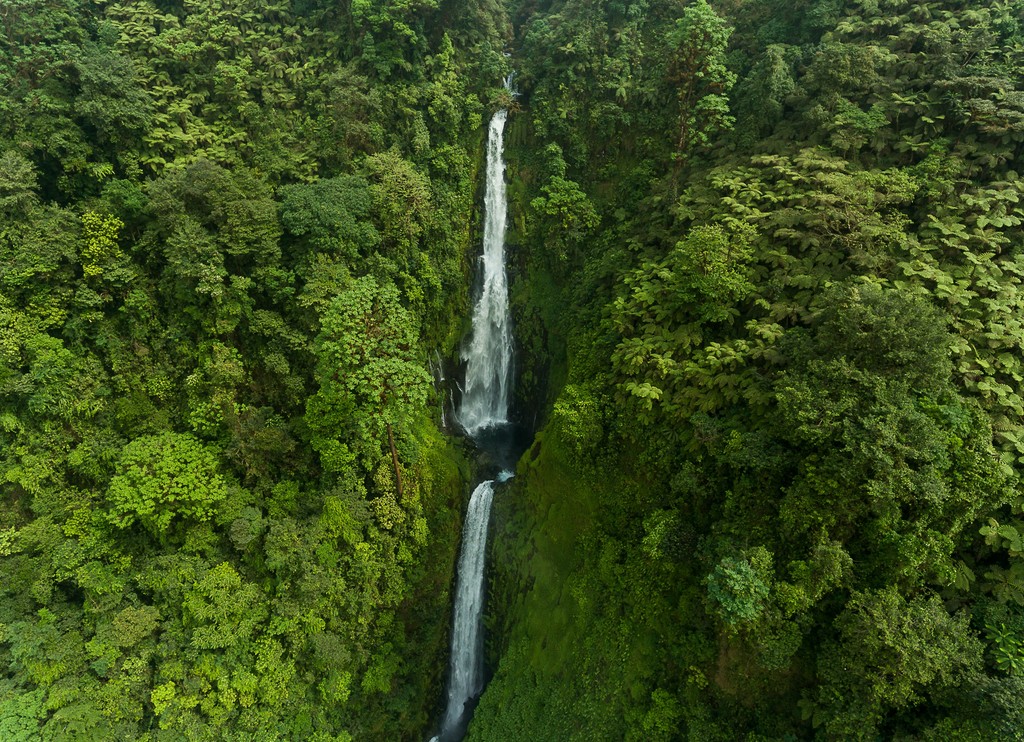
Despite its modest size, Equatorial Guinea’s geography uniquely positions it as a potential hub within the Gulf of Guinea region and beyond. The nation’s 28,000 square kilometers of landmass host diverse ecosystems ranging from lush rainforests to the highland peaks of Bioko.

Micronesia: An Archipelago of Enchantment

Micronesia: An Archipelago of Enchantment

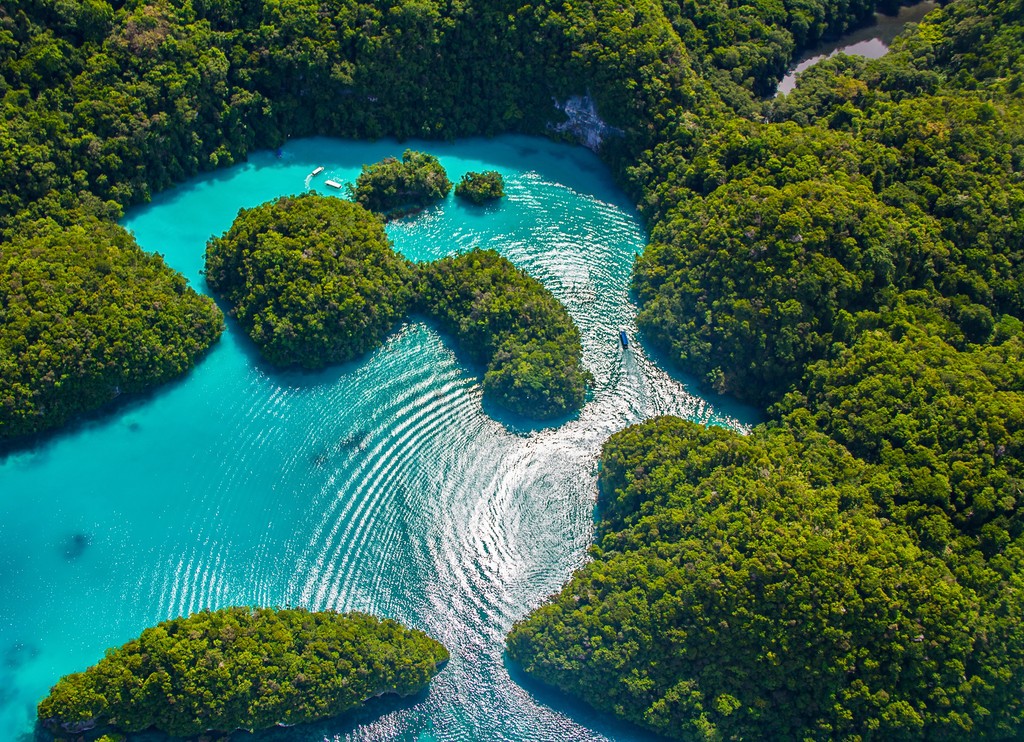
Micronesia's sprawling geography captivates with its constellation of 607 islands and an expansive Exclusive Economic Zone, ranking among the largest globally. Its stunning coastline, stretching over 6,000 kilometers, cradles a myriad of coral reefs, vibrant ecosystems brimming with life, inviting explorers to discover underwater treasures.

Equatorial Guinea: Potential amidst Challenges

Equatorial Guinea: Potential amidst Challenges

Equatorial Guinea's economic landscape presents a unique interplay of challenges and opportunities. Despite a declining GDP growth rate, the country possesses significant natural resource wealth, ranking 5th globally in its Industry (% of GDP) contribution, predominantly driven by the oil and gas sector.

Micronesia's Economic Resilience

Micronesia's Economic Resilience

In the Pacific region, the Federated States of Micronesia stands as a resilient economy with unique strengths despite its small size. Its GDP and GDP per capita, while relatively modest in global comparison, reflect a stable and growing economy supported by fisheries, tourism, and government services.

LEADERSHIP

Leadership Timeline

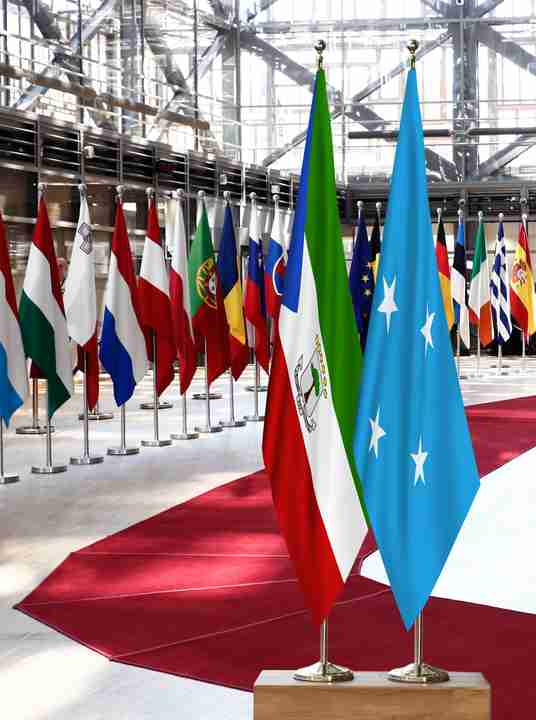
Equatorial Guinea Micronesia Flags
We have created a shared timeline for both Equatorial Guinea and Micronesia, allowing you to compare their leadership chronologically. For Equatorial Guinea, we have collected data on 86 Governors, 11 Prime ministers, and 2 other high-ranking officials since 1778. In Micronesia, we have gathered information on 14 High commissioners, 10 Presidents, and 9 other high-ranking officials since 1921.
Teodoro Obiang Nguema Mbasogo

Teodoro Obiang Nguema Mbasogo

President

Manuel Osa Nsue Nsua

Manuel Osa Nsue Nsua

Prime Minister

Simeón Oyono Esono Angüe

Simeón Oyono Esono Angüe

Minister of Foreign Affairs

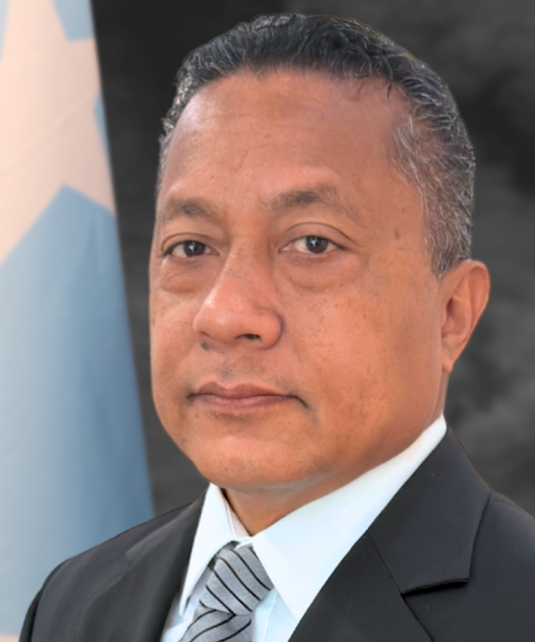
Wesley Simina

Wesley Simina

President

Ricky Cantero

Ricky Cantero

Minister of Foreign Affairs
Loading...
Micronesia's Resilient Demographics

Micronesia's Resilient Demographics

Micronesia, with its archipelago of captivating islands, presents a unique demographic profile that showcases resilience amidst evolving challenges. As the 11th smallest country globally, its modest population belies the strength and diversity of its people.

Equatorial Guinea's Demographic Distinction

Equatorial Guinea's Demographic Distinction

Equatorial Guinea, with a population hovering around 1.6 million, stands out as one of Africa's youngest nations, blessed with a median age of just over 20 years.

Micronesia's Island Trade Network

Micronesia's Island Trade Network

Micronesia's trade centers on maritime commerce, exporting fish, copra, and handicrafts while importing fuel and manufactured goods. The scattered island geography poses logistical challenges.

Equatorial Guinea's Trade Network

Equatorial Guinea's Trade Network

Equatorial Guinea holds a distinct position in the global trade landscape, exhibiting a significant reliance on oil exports while seeking diversification. With oil representing an overwhelming 97% of exports, the nation ranks among the top global exporters of this commodity.

What's Inside the "Equatorial Guinea & Micronesia" Report?

Each Bilateral Navigator report is a vital resource for diplomats and business leaders, offering quick insights into a foreign country through comparison with their own. By analyzing 40 key areas, we calculate the similarities between Equatorial Guinea and Micronesia, covering topics like geography, economy, international relations, and culture. This empowers you to confidently engage in a new country, impressing your hosts with data-driven knowledge while celebrating the bilateral relationship rather than focusing on one country alone.

1. Geopolitical Context: Compare the geography, demographics, and transport systems of Equatorial Guinean and Micronesian regions to uncover strategic advantages and shared interests.

2. Economic Synergy: Explore Equatorial Guinea and Micronesia's economic outputs, trade relations, investments, and tourism flows, highlighting complementary strengths.

3. Green Partnership: Examine how the countries align in agricultural practices, energy production, and environmental policies, advancing sustainability together.

4. Human Empowerment: Analyze the healthcare and education systems of both Equatorial Guinea and Micronesia, along with social equity and gender balance efforts, spotlighting progress in human development.

5. Innovation Nexus: Explore high-tech sectors, shared skills, and educational exchanges between Equatorial Guineans and Micronesians, showcasing their roles in global innovation.

6. Political Landscape: Discover the governance structures, historical leadership trends, and security policies of Equatorial Guinea and Micronesia, shedding light on their political paths.

7. Diplomatic Cooperation: Review the diplomatic network between Equatorial Guinea and Micronesia, their multilateral treaties, and how closely they align in UN voting patterns, providing insight into their international relations.

8. Business Networking: Understand the professional exchanges and key industries that connect Equatorial Guinean and Micronesian business communities, identifying opportunities for collaboration.

9. Communication & Media: Compare Equatorial Guinea and Micronesia's media landscapes, including telecom, social media engagement, and notable public figures historically or contemporarily connecting the two countries.

10. Shared Passions: From cultural heritage to sports achievements and cuisine, explore the cultural elements that bring Equatorial Guineans and Micronesians together, highlighting areas of shared interest and enjoyment.