
Ecuador & Uganda
The Ultimate Resource
for Diplomats and Business Leaders

Bilateral Similarity Index BSX:
55.5%

Are you aware that Ecuador and Uganda are most similar in treaty engagements?
Explore 40 areas of comparison in our specially crafted 300-page, full-color hardcover report!

Geography of Diversity
Ecuador is not only located at the center of the world but is geographically and ecologically one of the most diverse countries on Earth. As a megadiverse country, it boasts a wider range of ecosystems, climate zones, and plant and animal species within its borders than in much larger nations.

Geographical Features of Uganda
Nestled in Southeast Africa, Uganda proudly stands out with an array of remarkable geographical features that shape its identity and contribute to its strategic importance. Covering 200,520 square kilometers, Uganda's landscape is a symphony of lush forests, sweeping mountains, and shimmering lakes, a factor contributing to its vibrant biodiversity, which has established the country as a key player in global tourism.

Ecuador's Resilient Economy
Ecuador's economy stands out for its resilience amidst challenges, offering significant potential for growth and collaboration on the global stage. Despite its modest GDP ranking (66), Ecuador's GDP growth rate of 4.

Uganda's Economic Footsteps
Uganda's economy displays notable strengths, reflecting its strategic location, vibrant agricultural sector, and untapped potential for growth. Despite external challenges, the country has demonstrated resilience, with a positive GDP growth trajectory.

Leadership Timeline


Daniel Noboa
President

Gabriela Sommerfeld
Minister of Foreign Affairs
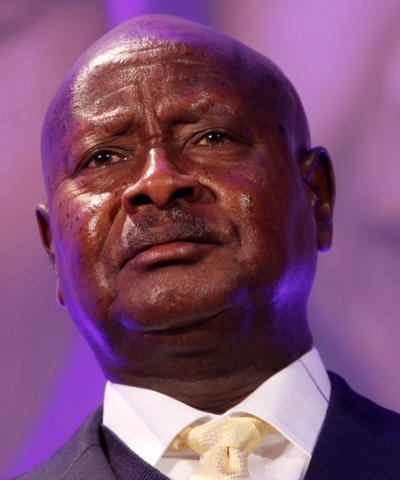
Yoweri Museveni
President
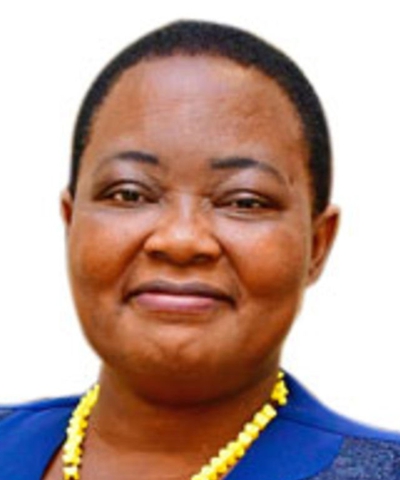
Robinah Nabbanja
Prime Minister
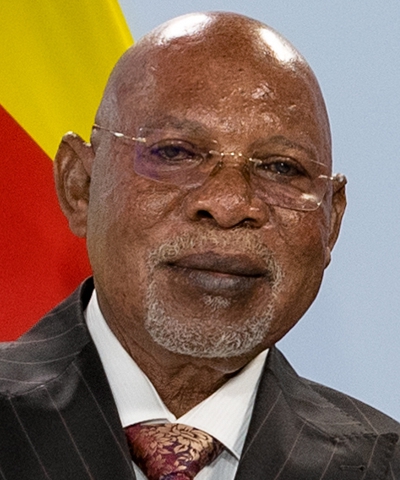
Jeje Odongo
Minister of Foreign Affairs


Uganda: A Vibrant Tapestry
Uganda stands out as a vibrant and youthful nation with a demographic profile marked by high birth rates and a large youth population, driving its overall growth potential. The country ranks 3rd globally in terms of population growth, at a steady 3.

Ecuador's Vibrant Demographics
Ecuador's population of nearly 18 million ranks among the largest in Latin America. The diverse population is rooted in centuries of intermingling cultures, from Amerindian heritage to European influence and the influx of migrants from countries across the globe.

Uganda's Trade Dynamics
Uganda's trade mix presents a unique and promising outlook within the global landscape. Despite ranking lower in terms of overall exports of goods and services, Uganda boasts a significantly high exports/GDP ratio.

Ecuador's Trade Overview
Ecuador holds a distinct position in global trade with a balanced trade mix. The nation exports 92.

What's Inside the "Ecuador & Uganda" Report?
Each Bilateral Navigator report is a vital resource for diplomats and business leaders, offering quick insights into a foreign country through comparison with their own. By analyzing 40 key areas, we calculate the similarities between Ecuador and Uganda, covering topics like geography, economy, international relations, and culture. This empowers you to confidently engage in a new country, impressing your hosts with data-driven knowledge while celebrating the bilateral relationship rather than focusing on one country alone.
1. Geopolitical Context: Compare the geography, demographics, and transport systems of Ecuadorian and Ugandan regions to uncover strategic advantages and shared interests.
2. Economic Synergy: Explore Ecuador and Uganda's economic outputs, trade relations, investments, and tourism flows, highlighting complementary strengths.
3. Green Partnership: Examine how the countries align in agricultural practices, energy production, and environmental policies, advancing sustainability together.
4. Human Empowerment: Analyze the healthcare and education systems of both Ecuador and Uganda, along with social equity and gender balance efforts, spotlighting progress in human development.
5. Innovation Nexus: Explore high-tech sectors, shared skills, and educational exchanges between Ecuadorians and Ugandans, showcasing their roles in global innovation.
6. Political Landscape: Discover the governance structures, historical leadership trends, and security policies of Ecuador and Uganda, shedding light on their political paths.
7. Diplomatic Cooperation: Review the diplomatic network between Ecuador and Uganda, their multilateral treaties, and how closely they align in UN voting patterns, providing insight into their international relations.
8. Business Networking: Understand the professional exchanges and key industries that connect Ecuadorian and Ugandan business communities, identifying opportunities for collaboration.
9. Communication & Media: Compare Ecuador and Uganda's media landscapes, including telecom, social media engagement, and notable public figures historically or contemporarily connecting the two countries.
10. Shared Passions: From cultural heritage to sports achievements and cuisine, explore the cultural elements that bring Ecuadorians and Ugandans together, highlighting areas of shared interest and enjoyment.