
Croatia & Lithuania
The Ultimate Resource
for Diplomats and Business Leaders

Bilateral Similarity Index BSX:
68.2%

You might be intrigued to discover that Croatia and Lithuania show strongest alignment in educational frameworks?
Explore 40 areas of comparison in our specially crafted 300-page, full-color hardcover report!

Geographical Features of Croatia
With over 55,000 square kilometers of diverse terrain, Croatia ranks among the world's top 30% of countries in landmass. Its extensive coastline of nearly 5,850 kilometers places it in the top 50%, and the country's over 1,200 islands form a breathtaking archipelago that further amplifies its maritime presence.
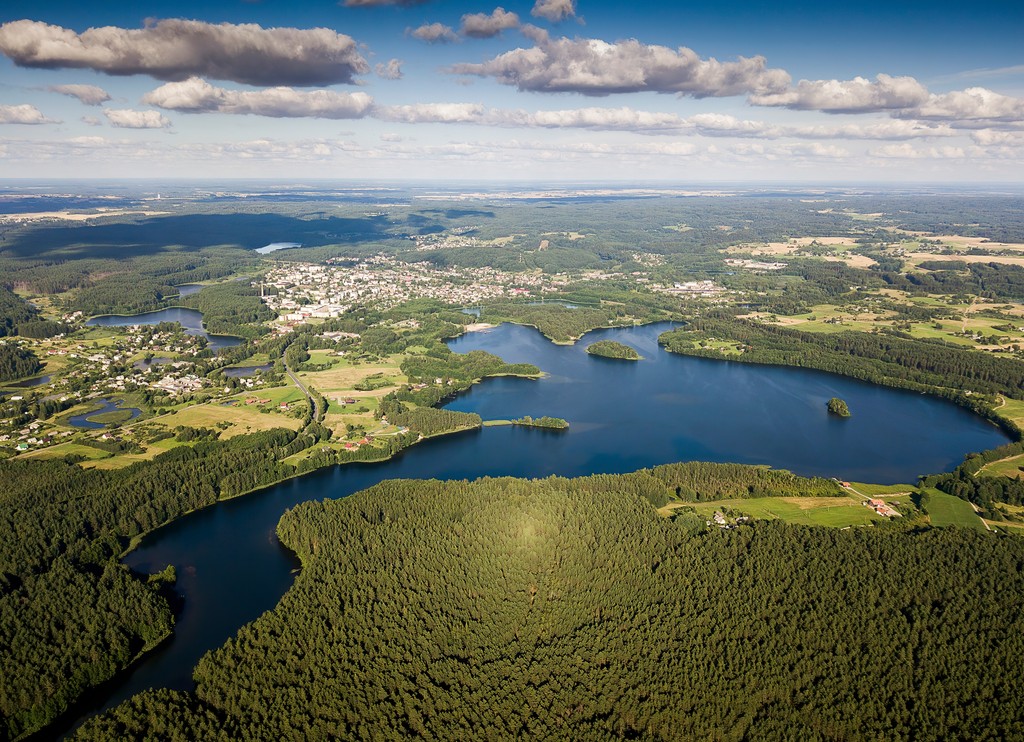
Lithuania's Geographical Uniqueness
At the geographic crossroads of the Baltic, Lithuania weaves together rolling lowlands and ample water features, setting it apart as a naturally alluring destination. While its modest land area and short coastline may suggest compactness, Lithuania boasts impressive territorial compactness, showcasing its effectively contiguous borders.

Croatia's Economic Prominence
Croatia's economy stands out as a dynamic force in the global landscape. The country ranks among the top for GDP growth, indicating a vibrant and resilient economy.

Lithuania: Economic Star on the Rise
Lithuania's economy shines brightly, marked by sustained growth and a strong export orientation. Its GDP and GNI growth rates rank among the highest globally, propelling the country towards economic prosperity.

Leadership Timeline

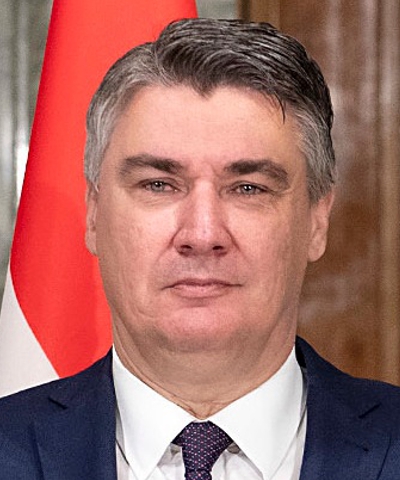
Zoran Milanović
President

Andrej Plenković
Prime Minister

Gordan Grlić-Radman
Minister of Foreign and European Affairs
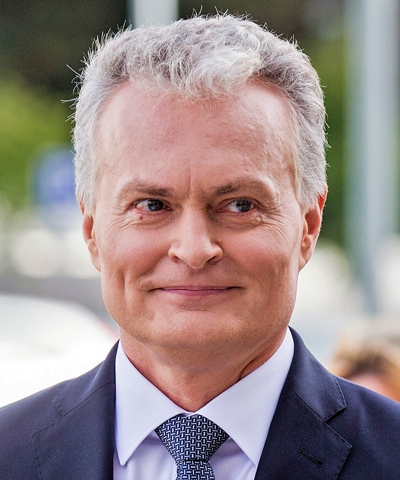
Gitanas Nausėda
President

Inga Ruginienė
Prime Minister

Kęstutis Budrys
Minister of Foreign Affairs


Lithuania's Population Landscape
Lithuania stands out as a nation of enduring cultural traditions embedded within a modern, progressive society, as revealed by its diverse demographic profile. The country is home to over 2.

Croatia's Positive Demographic Landscape
With a population size ranked 127th globally, Croatia stands out as a nation with strategic demographic strengths and potential for continued growth. At the forefront is the nation's remarkable life expectancy, which ranks among the top 50 countries, placing Croatia above many European and developed nations.

Lithuania's Promising Trade Horizon
Lithuania's robust trade landscape places it as a dynamic participant in global economic exchanges. Its significant share of exports and imports highlights the country's trade-centric approach, fostering connectivity and economic opportunities.

Croatia's Trade Networks
Croatia holds a distinct position in global trade, balancing a dynamic mix of exports and imports that underpins its economic footprint. With exports of goods and services representing over half of its GDP, the country demonstrates a strong export-oriented approach.

What's Inside the "Croatia & Lithuania" Report?
Each Bilateral Navigator report is a vital resource for diplomats and business leaders, offering quick insights into a foreign country through comparison with their own. By analyzing 40 key areas, we calculate the similarities between Croatia and Lithuania, covering topics like geography, economy, international relations, and culture. This empowers you to confidently engage in a new country, impressing your hosts with data-driven knowledge while celebrating the bilateral relationship rather than focusing on one country alone.
1. Geopolitical Context: Compare the geography, demographics, and transport systems of Croatian and Lithuanian regions to uncover strategic advantages and shared interests.
2. Economic Synergy: Explore Croatia and Lithuania's economic outputs, trade relations, investments, and tourism flows, highlighting complementary strengths.
3. Green Partnership: Examine how the countries align in agricultural practices, energy production, and environmental policies, advancing sustainability together.
4. Human Empowerment: Analyze the healthcare and education systems of both Croatia and Lithuania, along with social equity and gender balance efforts, spotlighting progress in human development.
5. Innovation Nexus: Explore high-tech sectors, shared skills, and educational exchanges between Croats and Lithuanians, showcasing their roles in global innovation.
6. Political Landscape: Discover the governance structures, historical leadership trends, and security policies of Croatia and Lithuania, shedding light on their political paths.
7. Diplomatic Cooperation: Review the diplomatic network between Croatia and Lithuania, their multilateral treaties, and how closely they align in UN voting patterns, providing insight into their international relations.
8. Business Networking: Understand the professional exchanges and key industries that connect Croatian and Lithuanian business communities, identifying opportunities for collaboration.
9. Communication & Media: Compare Croatia and Lithuania's media landscapes, including telecom, social media engagement, and notable public figures historically or contemporarily connecting the two countries.
10. Shared Passions: From cultural heritage to sports achievements and cuisine, explore the cultural elements that bring Croats and Lithuanians together, highlighting areas of shared interest and enjoyment.