
Cameroon & Congo
The Ultimate Resource
for Diplomats and Business Leaders

Bilateral Similarity Index BSX:
59.6%

Isn't it fascinating that Cameroon and the Congo are most alike in gender parity?
Our team has distilled insights from 40 areas into a visually appealing 300-page, full-color hardcover report!

Cameroon's Unique Geographical Character
At the heart of Central Africa, Cameroon stands as a nation of breathtaking diversity, boasting a rich tapestry of geographical features that place it among the world's most captivating destinations. Its vast land area of over 470,000 square kilometers, fringed by 1,800 kilometers of pristine coastline along the Gulf of Guinea, establishes Cameroon as a strategic hub connecting West and Central Africa.

Congo's Position and Promise
At the heart of Africa, the Republic of the Congo unfolds across 341,500 square kilometers, its size contributing to its position as the 64th largest nation. Despite a relatively modest coastline, the country shares land borders with five nations, totaling an impressive 5,554 kilometers, making it the 31st country with the most land borders globally.

Cameroon's Emerging Economic Promise
Despite economic challenges, Cameroon's strategic economic landscape and development potential position it as an emerging player in Central Africa. The nation's diverse GDP structure is led by services and agriculture, creating a solid foundation for sustainable growth.

Congo's Economic Potential
The Republic of the Congo holds strategic advantages that position it for significant economic growth and global engagement. Despite challenges, the country has demonstrated remarkable potential in specific sectors and maintains a strong foundation for future development.

Leadership Timeline

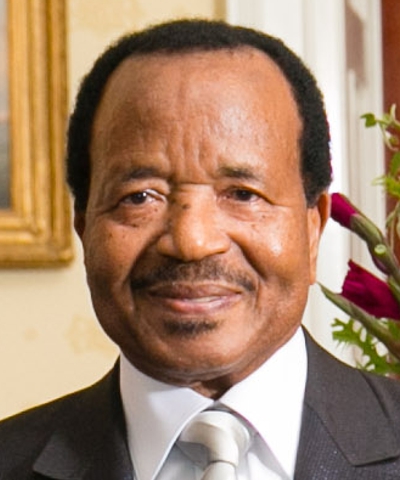
Paul Biya
President

Joseph Ngute
Prime Minister

Lejeune Mbella Mbella
Minister of Foreign Affairs
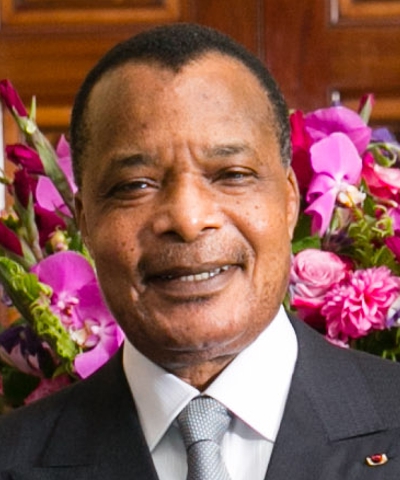
Denis Sassou Nguesso
President
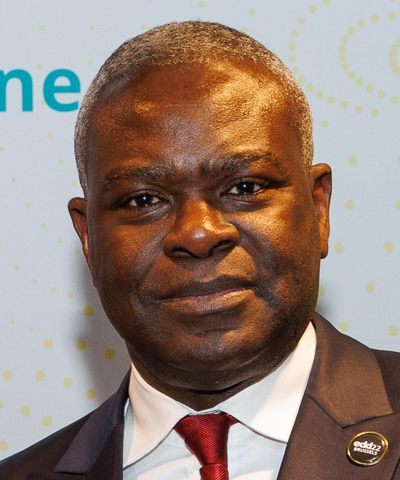
Anatole Collinet Makosso
Prime Minister
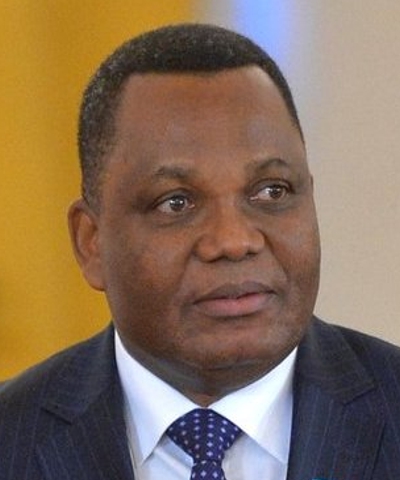
Jean-Claude Gakosso
Minister of Foreign Affairs


Congo's Emerging Population
The Republic of the Congo is on the cusp of harnessing the immense potential embedded within its demographic profile. With a rapidly growing population, characterized by youthful exuberance, the country holds a unique advantage in the global context.

Cameroon's Vibrant Demography
Cameroon, a country with a vibrant and diverse population of 27 million, stands out among the world's nations. It is a nation blessed with a youthful and growing population, a significant competitive edge.

Republic of the Congo: Global Trade Footprint
The Republic of the Congo occupies a remarkable position in the global trade landscape, showcasing strengths in its export portfolio and external relationships. Exports form a cornerstone of its economy, representing over half of GDP, where the nation harnesses its natural resource wealth.

Cameroon's Trade Flows
Cameroon stands out as a major player in Central African trade, with its economic landscape shaped by a dynamic mix of exports and imports. The country's leading export is petroleum, which fuels its economy and accounts for a substantial share of its foreign earnings.

What's Inside the "Cameroon & Congo" Report?
Each Bilateral Navigator report is a vital resource for diplomats and business leaders, offering quick insights into a foreign country through comparison with their own. By analyzing 40 key areas, we calculate the similarities between Cameroon and the Congo, covering topics like geography, economy, international relations, and culture. This empowers you to confidently engage in a new country, impressing your hosts with data-driven knowledge while celebrating the bilateral relationship rather than focusing on one country alone.
1. Geopolitical Context: Compare the geography, demographics, and transport systems of Cameroonian and Congolese regions to uncover strategic advantages and shared interests.
2. Economic Synergy: Explore Cameroon and the Congo's economic outputs, trade relations, investments, and tourism flows, highlighting complementary strengths.
3. Green Partnership: Examine how the countries align in agricultural practices, energy production, and environmental policies, advancing sustainability together.
4. Human Empowerment: Analyze the healthcare and education systems of both Cameroon and the Congo, along with social equity and gender balance efforts, spotlighting progress in human development.
5. Innovation Nexus: Explore high-tech sectors, shared skills, and educational exchanges between Cameroonians and Congolese, showcasing their roles in global innovation.
6. Political Landscape: Discover the governance structures, historical leadership trends, and security policies of Cameroon and the Congo, shedding light on their political paths.
7. Diplomatic Cooperation: Review the diplomatic network between Cameroon and the Congo, their multilateral treaties, and how closely they align in UN voting patterns, providing insight into their international relations.
8. Business Networking: Understand the professional exchanges and key industries that connect Cameroonian and Congolese business communities, identifying opportunities for collaboration.
9. Communication & Media: Compare Cameroon and the Congo's media landscapes, including telecom, social media engagement, and notable public figures historically or contemporarily connecting the two countries.
10. Shared Passions: From cultural heritage to sports achievements and cuisine, explore the cultural elements that bring Cameroonians and Congolese together, highlighting areas of shared interest and enjoyment.