Home / Books / Bolivia & Pakistan

BILATERAL NAVIGATOR

Bolivia & Pakistan

The Ultimate Resource for Diplomats and Business Leaders

Bilateral Similarity Index BSX: 54.5%
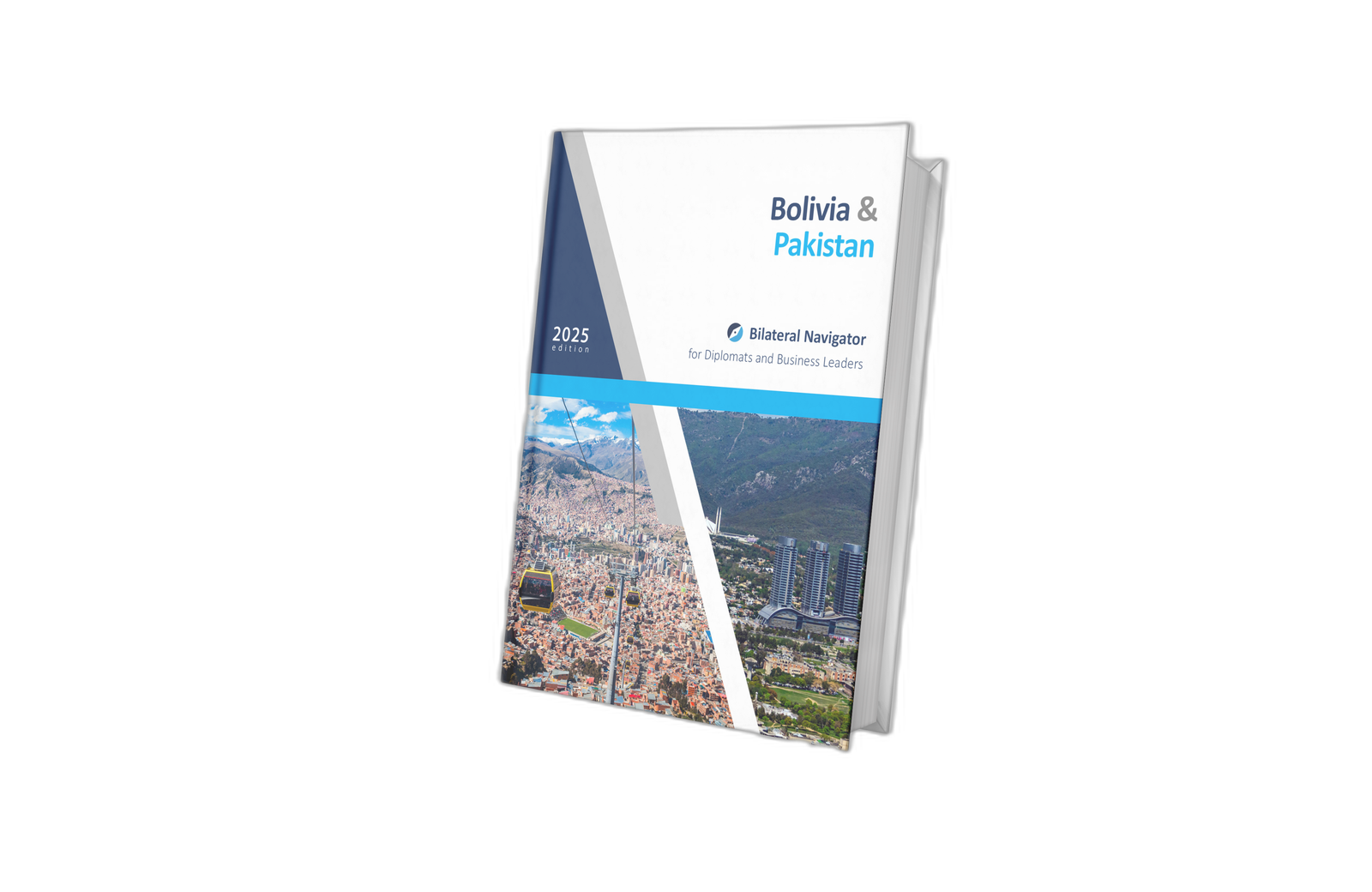
image of a book
list of countries

Are you aware that Bolivia and Pakistan are most similar in geographic indicators?

We've compiled our findings from 40 areas into an eye-catching 300-page hardcover report with full-color images!
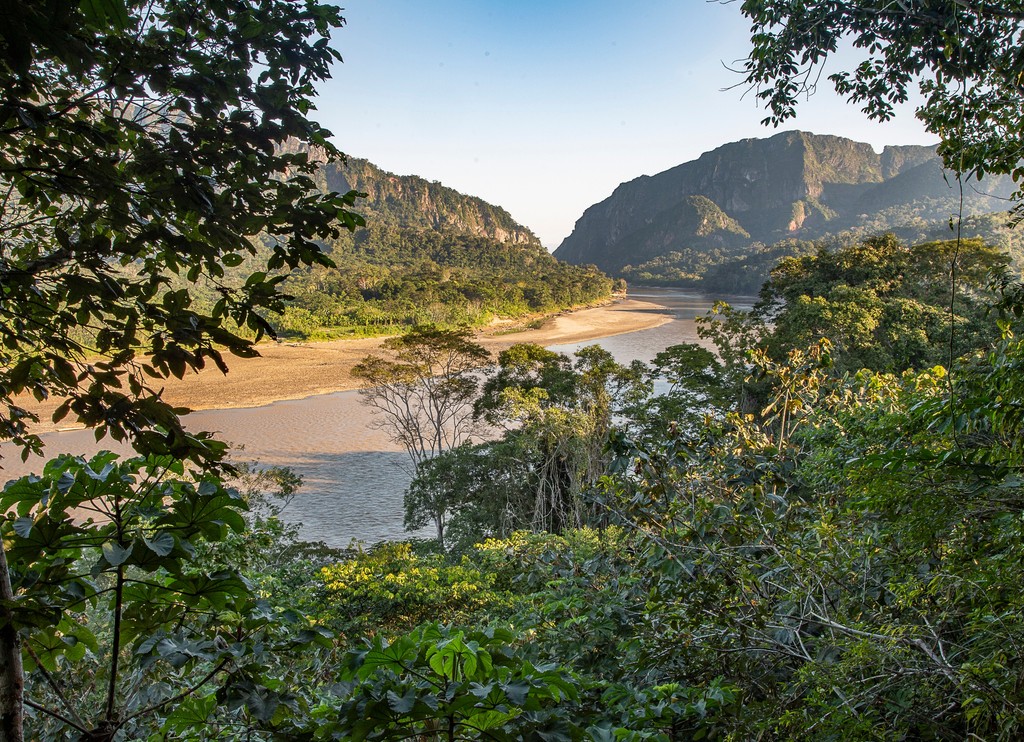
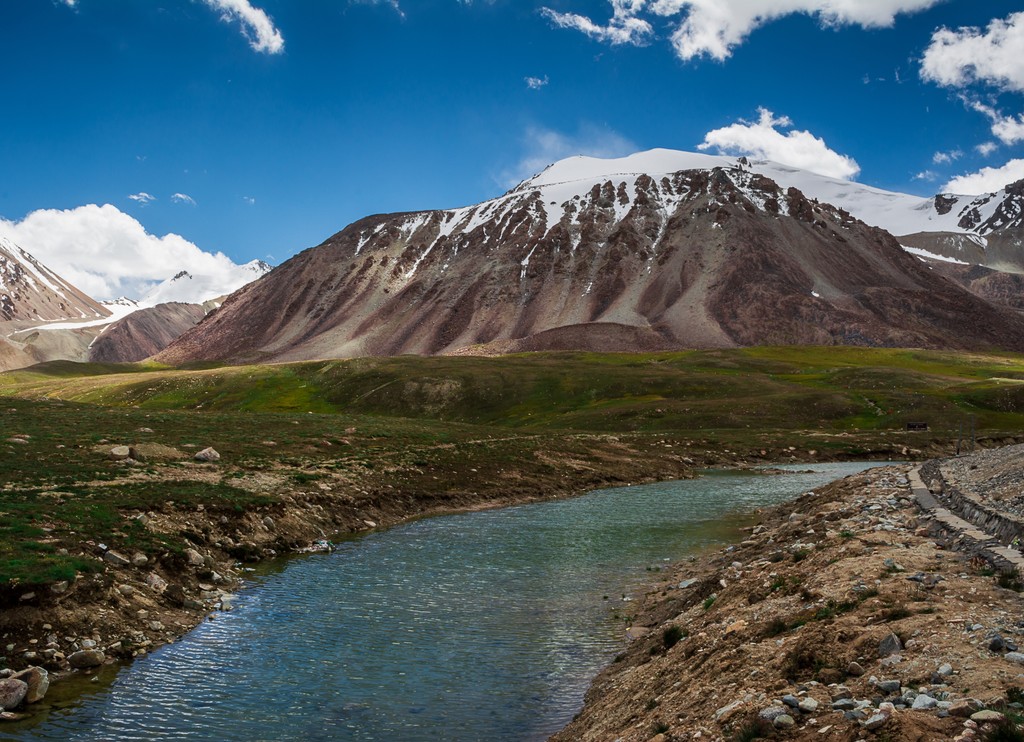
Bolivia, Plurinational State of: Geographic Standout

Bolivia, Plurinational State of: Geographic Standout

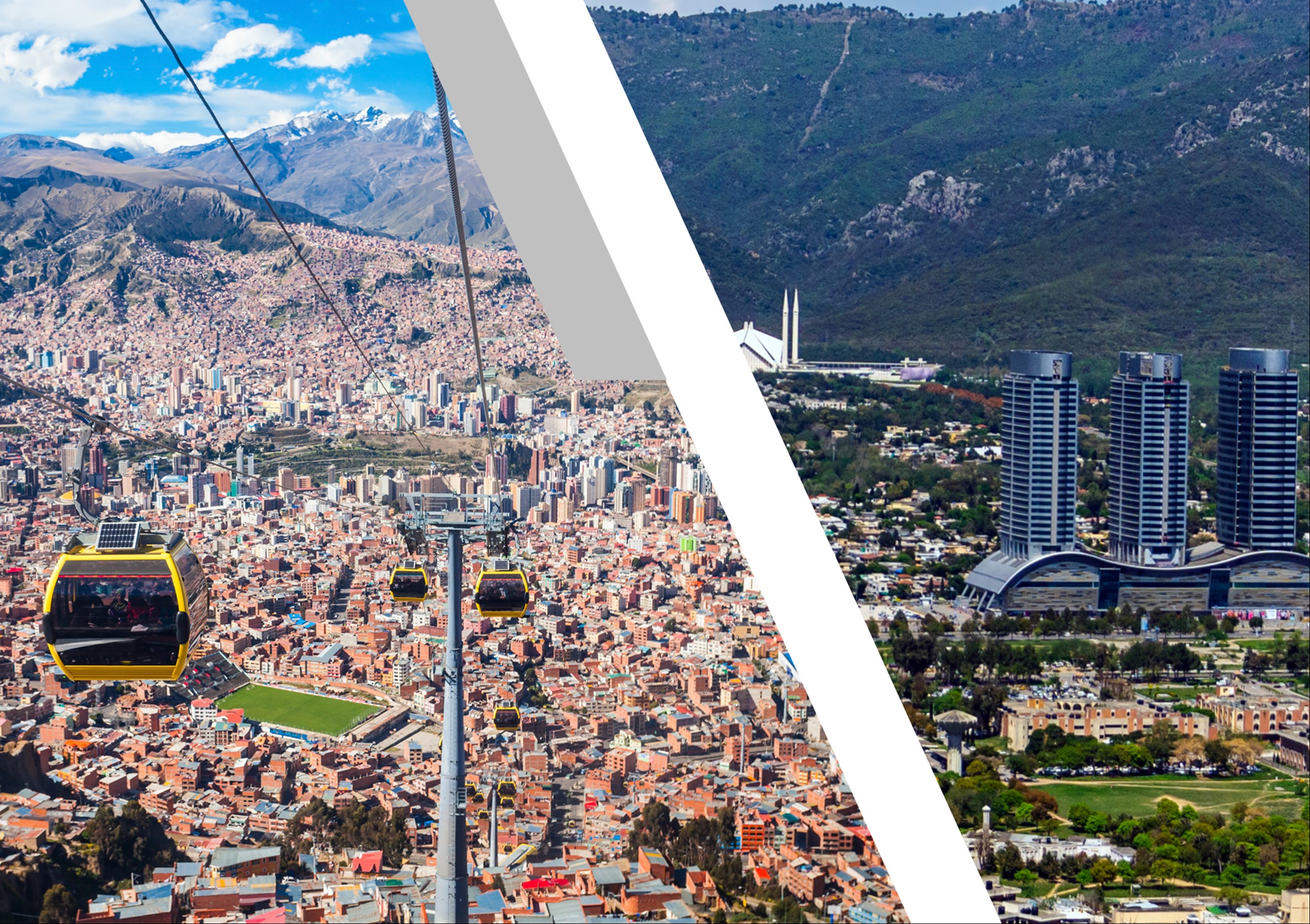
In the heart of South America, Bolivia, Plurinational State of boasts a staggering landmass, ranking as the world's 28th largest country and the fifth largest in its continent. Its extensive borders, stretching 7,252 kilometers and most notably with Brazil at 3,400 kilometers, highlight its strategic position as a pivotal gateway connecting neighbors.

Geographical Features of Pakistan

Geographical Features of Pakistan

Pakistan occupies a captivating position at the intersection of South Asia, the Middle East, and Central Asia, bestowing it with strategic significance in international affairs. Its geographic diversity, encompassing coasts, deserts, plateaus, mountains, and forests, enriches the landscape, attracting tourists and fostering a thriving agricultural sector.

Bolivia's Economic Potential

Bolivia's Economic Potential

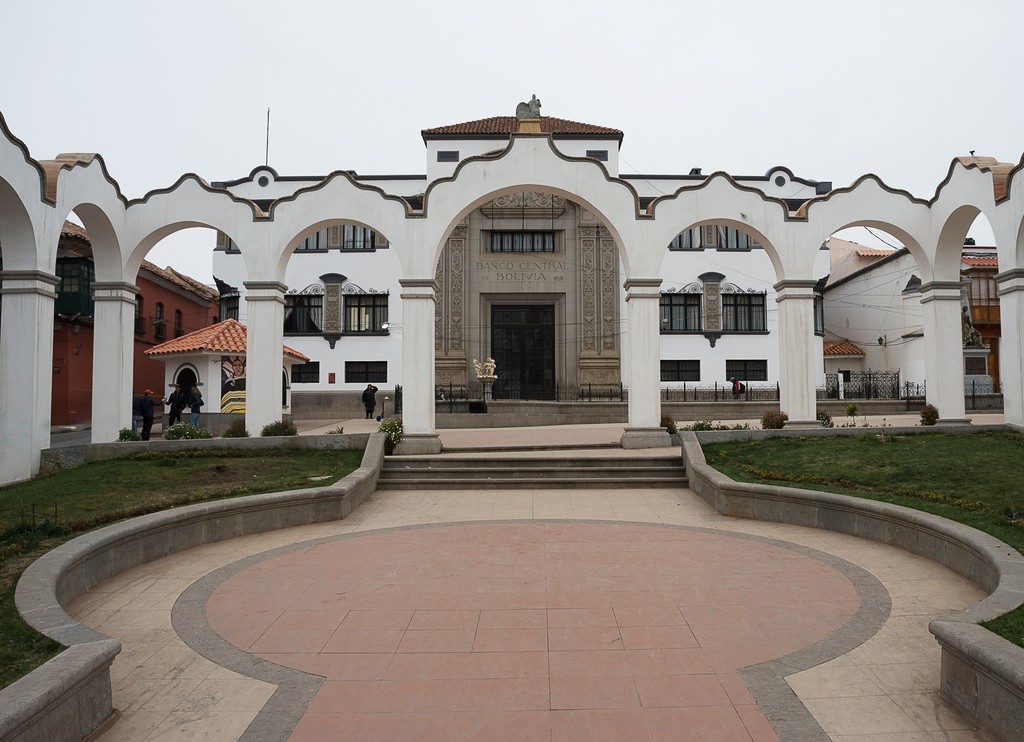
Bolivia's economy offers unique advantages and growth potential in the global landscape. With an abundance of natural resources, including lithium, gas, and minerals, Bolivia holds strategic importance in global supply chains.

Pakistan: Economic Potential

Pakistan: Economic Potential

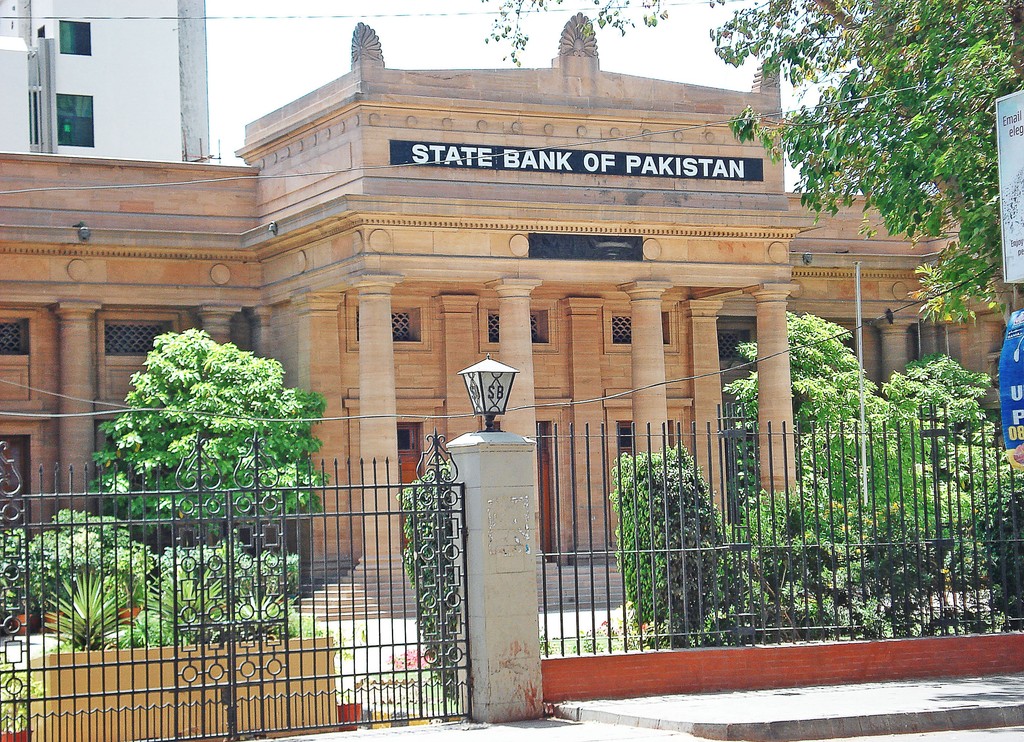
Pakistan's economy stands at the cusp of transformation, driven by strategic advantages and its immense growth potential. Its large GDP (23rd globally) and population present substantial market opportunities.

LEADERSHIP

Leadership Timeline

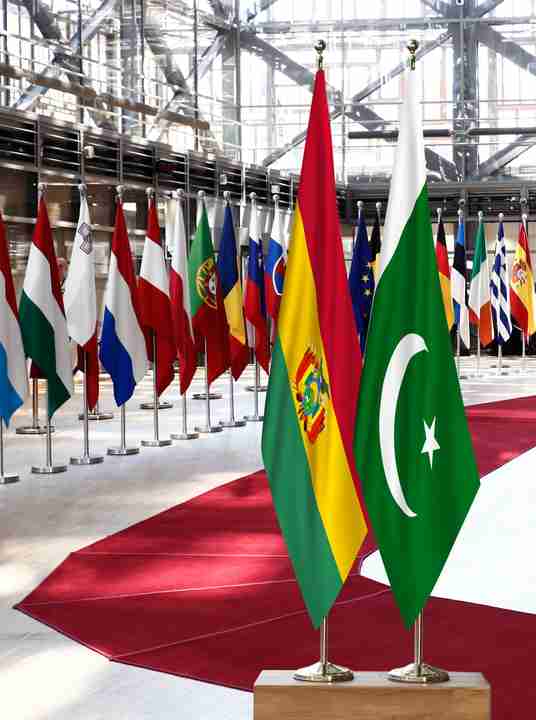
Bolivia Pakistan Flags
We have created a shared timeline for both Bolivia and Pakistan, allowing you to compare their leadership chronologically. For Bolivia, we have collected data on 112 Presidents, 7 Chairmen of the military junta, and 2 other high-ranking officials since 1825. In Pakistan, we have gathered information on 34 Prime ministers, 17 Presidents, and 7 other high-ranking officials since 1947.
Rodrigo Paz Pereira

Rodrigo Paz Pereira

President

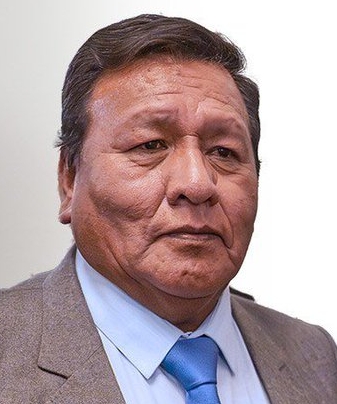
Héctor Francisco Huanca Gutiérrez

Héctor Francisco Huanca Gutiérrez

Minister of Foreign Affairs

Asif Ali Zardari

Asif Ali Zardari

President

Shehbaz Sharif

Shehbaz Sharif

Prime Minister

Ishaq Dar

Ishaq Dar

Minister of Foreign Affairs
Loading...
Pakistan: A Tapestry of Demographics

Pakistan: A Tapestry of Demographics

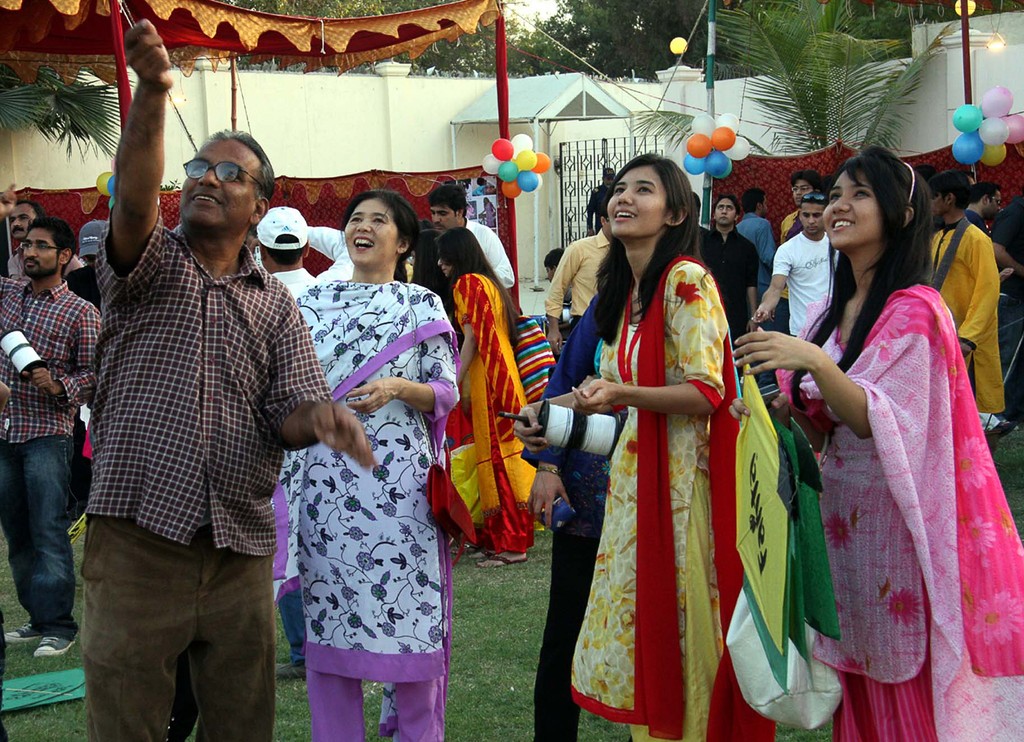
With a population of over 230 million, Pakistan is the fifth most populous country globally. This vibrant tapestry of people embraces diversity while being anchored by an overwhelmingly Muslim majority, creating a harmonious balance of religious identities.

Bolivia's Demographic Vibrancy

Bolivia's Demographic Vibrancy

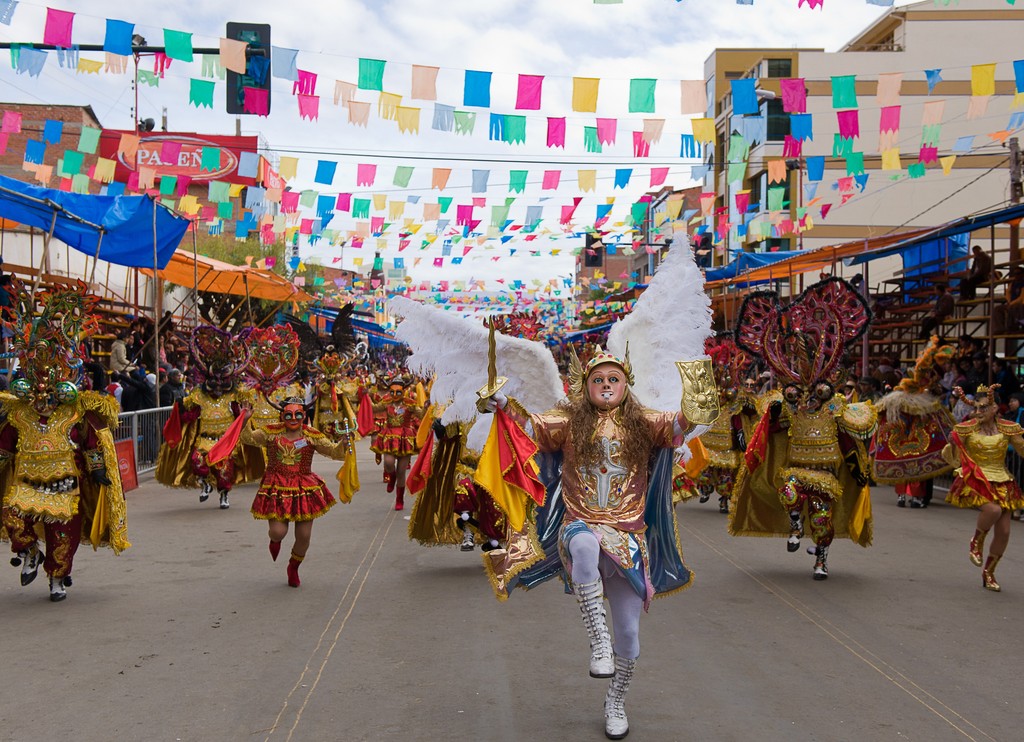
Bolivia's demographics stand out with a unique blend of youth, indigenous heritage, and religious diversity, all against a backdrop of economic growth and cultural effervescence. With over 12 million people, Bolivia ranks as a dynamic and youthful nation.

Pakistan's Trade Panorama

Pakistan's Trade Panorama

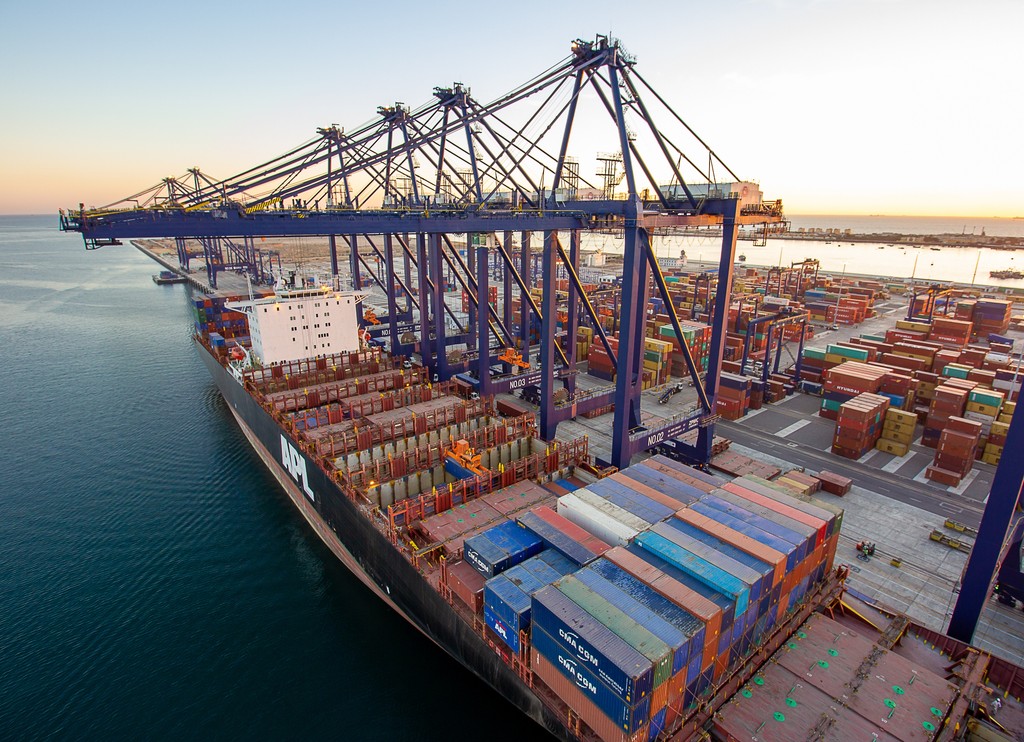
Pakistan's trade profile reflects a diverse mix of goods and services, providing a steady flow to and from its global partners. With a notable export orientation, the country derives a significant share of its GDP from trade activities.

Bolivia's Promising Trade Landscape

Bolivia's Promising Trade Landscape

Bolivia's trade mix showcases a high reliance on exports of raw materials, predominantly natural gas and minerals. The export basket also includes significant shares of food products, with Argentina, Brazil, and Chile serving as primary destinations.

What's Inside the "Bolivia & Pakistan" Report?

Each Bilateral Navigator report is a vital resource for diplomats and business leaders, offering quick insights into a foreign country through comparison with their own. By analyzing 40 key areas, we calculate the similarities between Bolivia and Pakistan, covering topics like geography, economy, international relations, and culture. This empowers you to confidently engage in a new country, impressing your hosts with data-driven knowledge while celebrating the bilateral relationship rather than focusing on one country alone.

1. Geopolitical Context: Compare the geography, demographics, and transport systems of Bolivian and Pakistani regions to uncover strategic advantages and shared interests.

2. Economic Synergy: Explore Bolivia and Pakistan's economic outputs, trade relations, investments, and tourism flows, highlighting complementary strengths.

3. Green Partnership: Examine how the countries align in agricultural practices, energy production, and environmental policies, advancing sustainability together.

4. Human Empowerment: Analyze the healthcare and education systems of both Bolivia and Pakistan, along with social equity and gender balance efforts, spotlighting progress in human development.

5. Innovation Nexus: Explore high-tech sectors, shared skills, and educational exchanges between Bolivians and Pakistanis, showcasing their roles in global innovation.

6. Political Landscape: Discover the governance structures, historical leadership trends, and security policies of Bolivia and Pakistan, shedding light on their political paths.

7. Diplomatic Cooperation: Review the diplomatic network between Bolivia and Pakistan, their multilateral treaties, and how closely they align in UN voting patterns, providing insight into their international relations.

8. Business Networking: Understand the professional exchanges and key industries that connect Bolivian and Pakistani business communities, identifying opportunities for collaboration.

9. Communication & Media: Compare Bolivia and Pakistan's media landscapes, including telecom, social media engagement, and notable public figures historically or contemporarily connecting the two countries.

10. Shared Passions: From cultural heritage to sports achievements and cuisine, explore the cultural elements that bring Bolivians and Pakistanis together, highlighting areas of shared interest and enjoyment.