Home / Books / Bhutan & Eq. Guinea

BILATERAL NAVIGATOR

Bhutan & Eq. Guinea

The Ultimate Resource for Diplomats and Business Leaders

Bilateral Similarity Index BSX: 44.6%
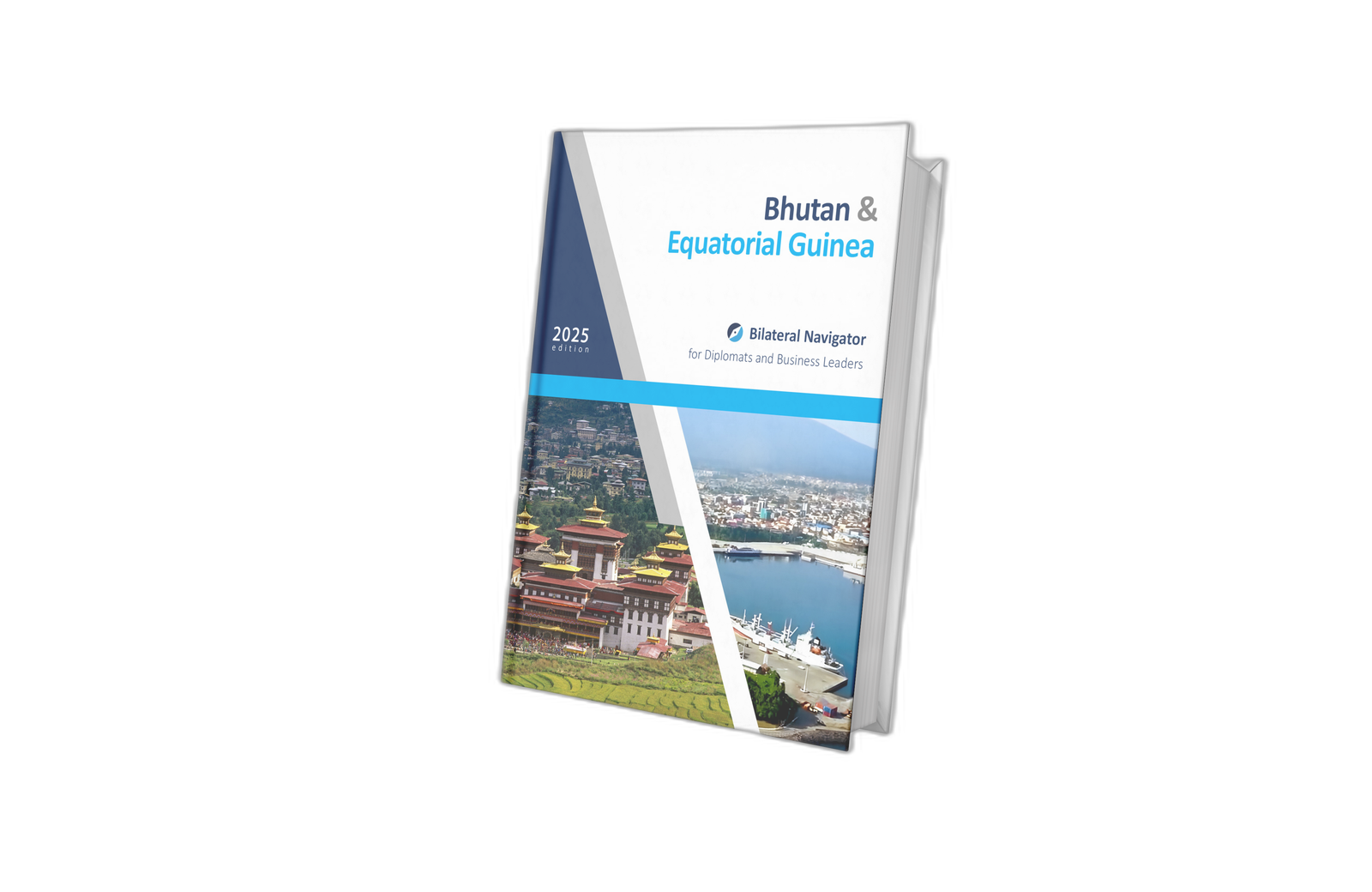
image of a book
list of countries

Ever wonder if Bhutan and Equatorial Guinea are most similar in gender parity?

Our team has distilled insights from 40 areas into a visually appealing 300-page, full-color hardcover report!
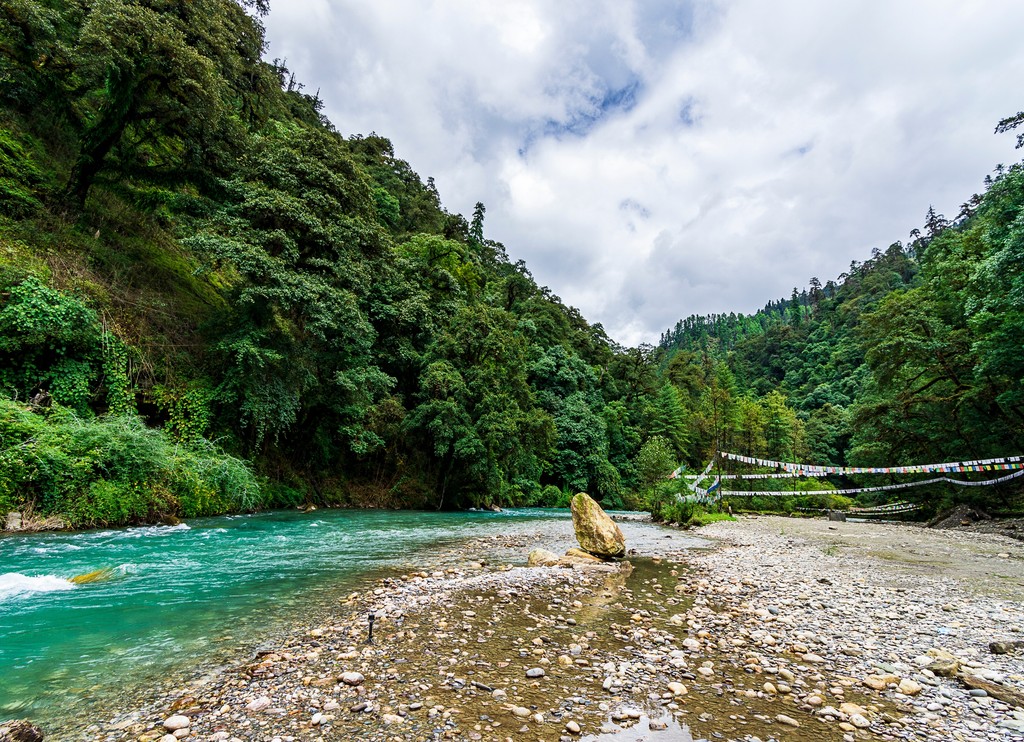

Bhutan: Geography of the Dragon Kingdom

Bhutan: Geography of the Dragon Kingdom

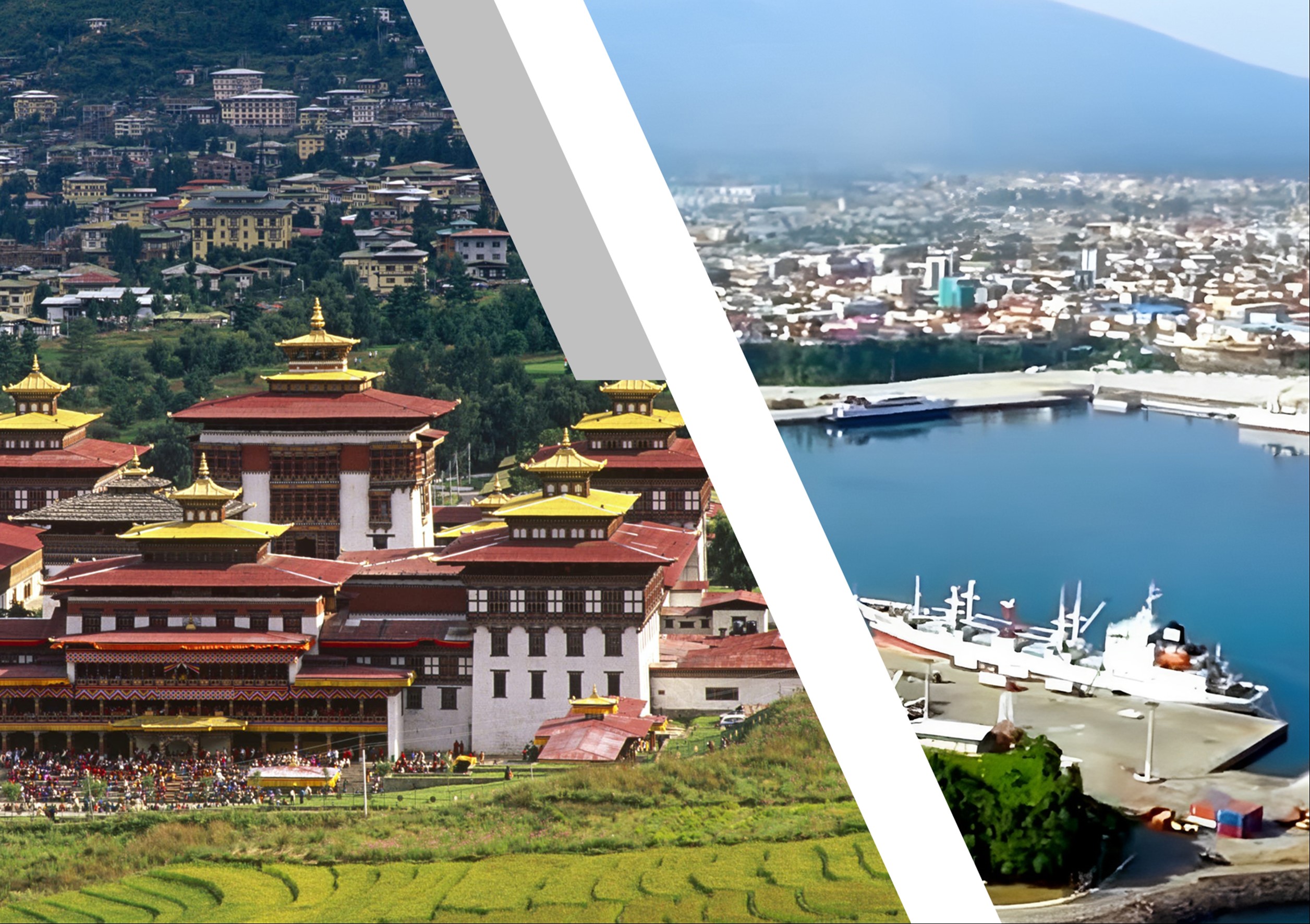
Bhutan is tucked away in the eastern Himalayas, its unique geographical features shaping a tapestry of scenic landscapes and unparalleled experiences. Although small in size, the country proudly holds the title of the "Land of the Thunder Dragon," a moniker inspired by the imposing Himalayan peaks that define its northern border and form its highest point, Gangkar Puensum, which ranks fifth among the world's unconquered mountains.

Equatorial Guinea's Geopolitical Advantages

Equatorial Guinea's Geopolitical Advantages

Despite its modest size, Equatorial Guinea’s geography uniquely positions it as a potential hub within the Gulf of Guinea region and beyond. The nation’s 28,000 square kilometers of landmass host diverse ecosystems ranging from lush rainforests to the highland peaks of Bioko.

Bhutan's Economic Harmony

Bhutan's Economic Harmony

Nestled in the Himalayas, Bhutan's economy reflects a unique balance between tradition and modernity, with a focus on sustainable development. The country's GDP and GNI growth rates have remained steady in recent years, indicative of a resilient and expanding economy.

Equatorial Guinea: Potential amidst Challenges

Equatorial Guinea: Potential amidst Challenges

Equatorial Guinea's economic landscape presents a unique interplay of challenges and opportunities. Despite a declining GDP growth rate, the country possesses significant natural resource wealth, ranking 5th globally in its Industry (% of GDP) contribution, predominantly driven by the oil and gas sector.

LEADERSHIP

Leadership Timeline

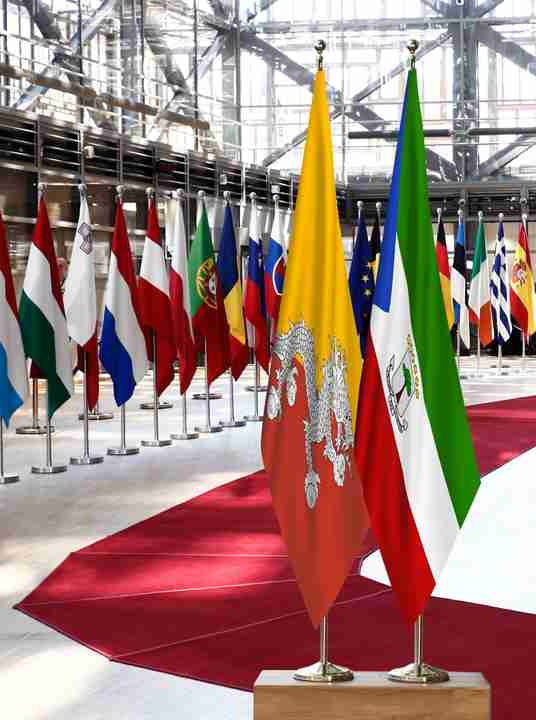
Bhutan Equatorial Guinea Flags
We have created a shared timeline for both Bhutan and Equatorial Guinea, allowing you to compare their leadership chronologically. For Bhutan, we have collected data on 55 Rulers, 16 Prime ministers, and 21 other high-ranking officials since 1695. In Equatorial Guinea, we have gathered information on 86 Governors, 11 Prime ministers, and 2 other high-ranking officials since 1778.
Jigme Khesar Namgyel Wangchuck

Jigme Khesar Namgyel Wangchuck

King

Tshering Tobgay

Tshering Tobgay

Prime Minister

Lyonpo D. N. Dhungyel

Lyonpo D. N. Dhungyel

Minister of Foreign Affairs

Teodoro Obiang Nguema Mbasogo

Teodoro Obiang Nguema Mbasogo

President

Manuel Osa Nsue Nsua

Manuel Osa Nsue Nsua

Prime Minister

Simeón Oyono Esono Angüe

Simeón Oyono Esono Angüe

Minister of Foreign Affairs
Loading...
Equatorial Guinea's Demographic Distinction

Equatorial Guinea's Demographic Distinction

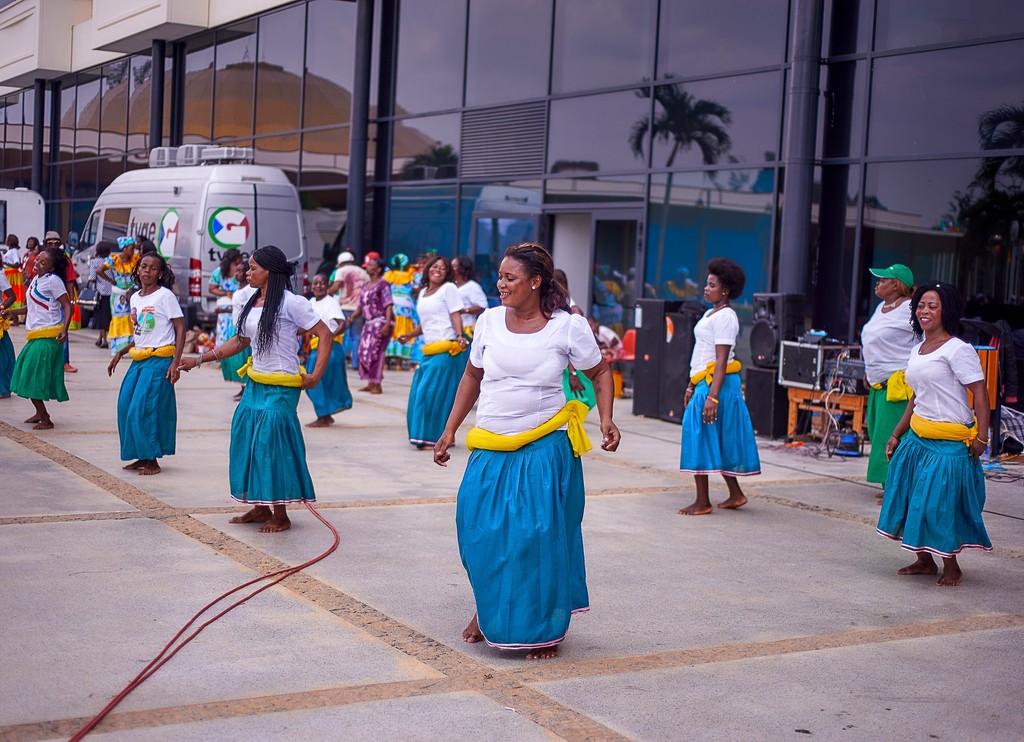
Equatorial Guinea, with a population hovering around 1.6 million, stands out as one of Africa's youngest nations, blessed with a median age of just over 20 years.

Bhutan's Demographic Jewel

Bhutan's Demographic Jewel

Nestled in the heart of the Himalayas, Bhutan's demographics tell a unique tale of cultural heritage and sustainable growth. With a relatively small population just shy of a million, Bhutan stands out for its youthful society, with over 71% of its people in the prime working age of 15-64.

Equatorial Guinea's Trade Network

Equatorial Guinea's Trade Network

Equatorial Guinea holds a distinct position in the global trade landscape, exhibiting a significant reliance on oil exports while seeking diversification. With oil representing an overwhelming 97% of exports, the nation ranks among the top global exporters of this commodity.

Bhutan's Trade Networks

Bhutan's Trade Networks

Bhutan's trade dynamics reveal a strategic export-oriented approach, with a significant reliance on a select few commodities. Goods exports, mainly hydroelectric power and minerals, drive the nation's economy, accounting for nearly 97% of its total exports.

What's Inside the "Bhutan & Equatorial Guinea" Report?

Each Bilateral Navigator report is a vital resource for diplomats and business leaders, offering quick insights into a foreign country through comparison with their own. By analyzing 40 key areas, we calculate the similarities between Bhutan and Equatorial Guinea, covering topics like geography, economy, international relations, and culture. This empowers you to confidently engage in a new country, impressing your hosts with data-driven knowledge while celebrating the bilateral relationship rather than focusing on one country alone.

1. Geopolitical Context: Compare the geography, demographics, and transport systems of Bhutanese and Equatorial Guinean regions to uncover strategic advantages and shared interests.

2. Economic Synergy: Explore Bhutan and Equatorial Guinea's economic outputs, trade relations, investments, and tourism flows, highlighting complementary strengths.

3. Green Partnership: Examine how the countries align in agricultural practices, energy production, and environmental policies, advancing sustainability together.

4. Human Empowerment: Analyze the healthcare and education systems of both Bhutan and Equatorial Guinea, along with social equity and gender balance efforts, spotlighting progress in human development.

5. Innovation Nexus: Explore high-tech sectors, shared skills, and educational exchanges between Bhutanese and Equatorial Guineans, showcasing their roles in global innovation.

6. Political Landscape: Discover the governance structures, historical leadership trends, and security policies of Bhutan and Equatorial Guinea, shedding light on their political paths.

7. Diplomatic Cooperation: Review the diplomatic network between Bhutan and Equatorial Guinea, their multilateral treaties, and how closely they align in UN voting patterns, providing insight into their international relations.

8. Business Networking: Understand the professional exchanges and key industries that connect Bhutanese and Equatorial Guinean business communities, identifying opportunities for collaboration.

9. Communication & Media: Compare Bhutan and Equatorial Guinea's media landscapes, including telecom, social media engagement, and notable public figures historically or contemporarily connecting the two countries.

10. Shared Passions: From cultural heritage to sports achievements and cuisine, explore the cultural elements that bring Bhutanese and Equatorial Guineans together, highlighting areas of shared interest and enjoyment.