Home / Books / Azerbaijan & Nepal

BILATERAL NAVIGATOR

Azerbaijan & Nepal

The Ultimate Resource for Diplomats and Business Leaders

Bilateral Similarity Index BSX: 54.7%
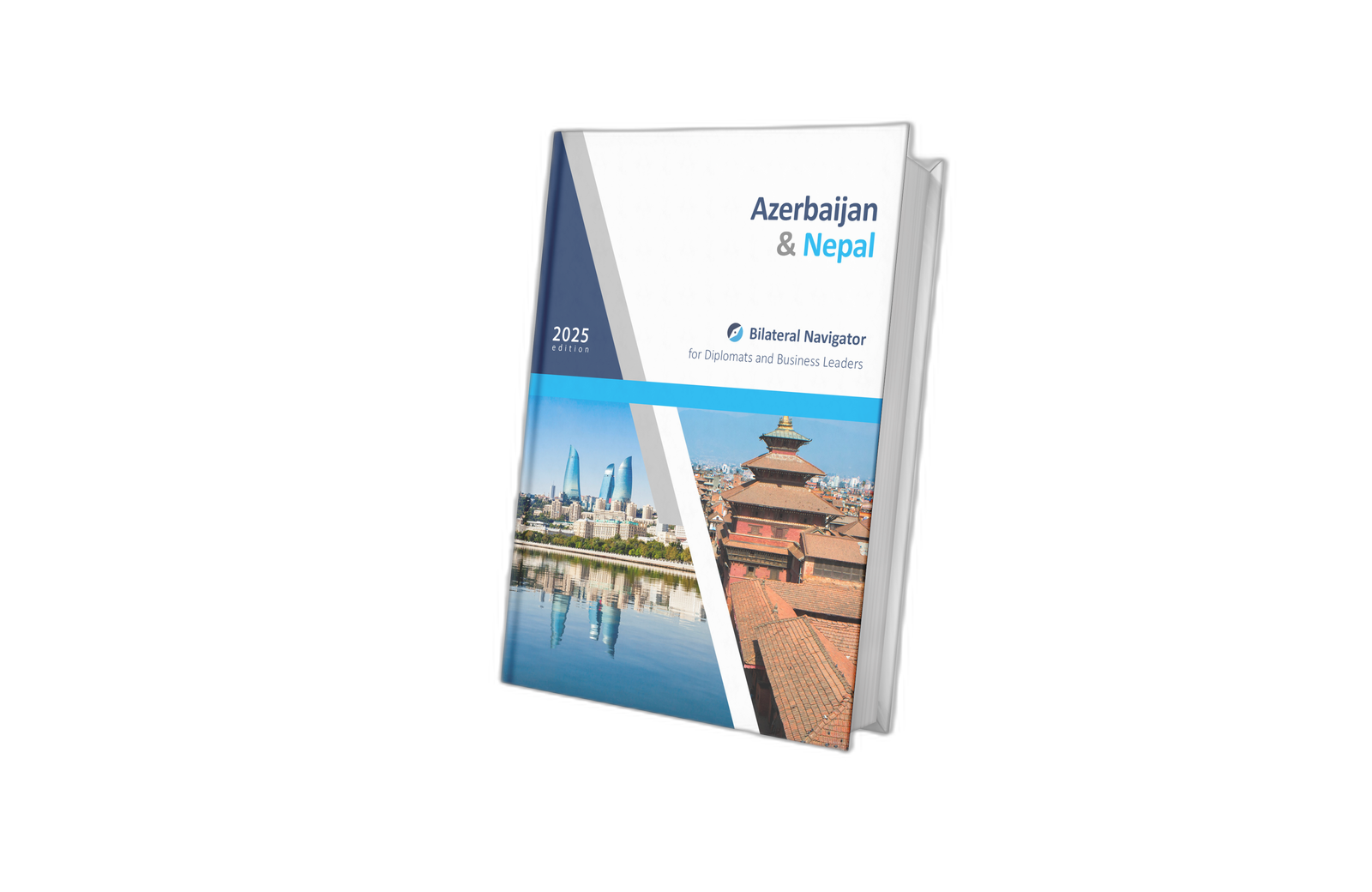
image of a book
list of countries

Are you aware that Azerbaijan and Nepal are most similar in agrarian potenatials?

Discover the results of our extensive 40-area analysis in a premium 300-page, full-color hardcover report!
Geographical Advantages of Azerbaijan

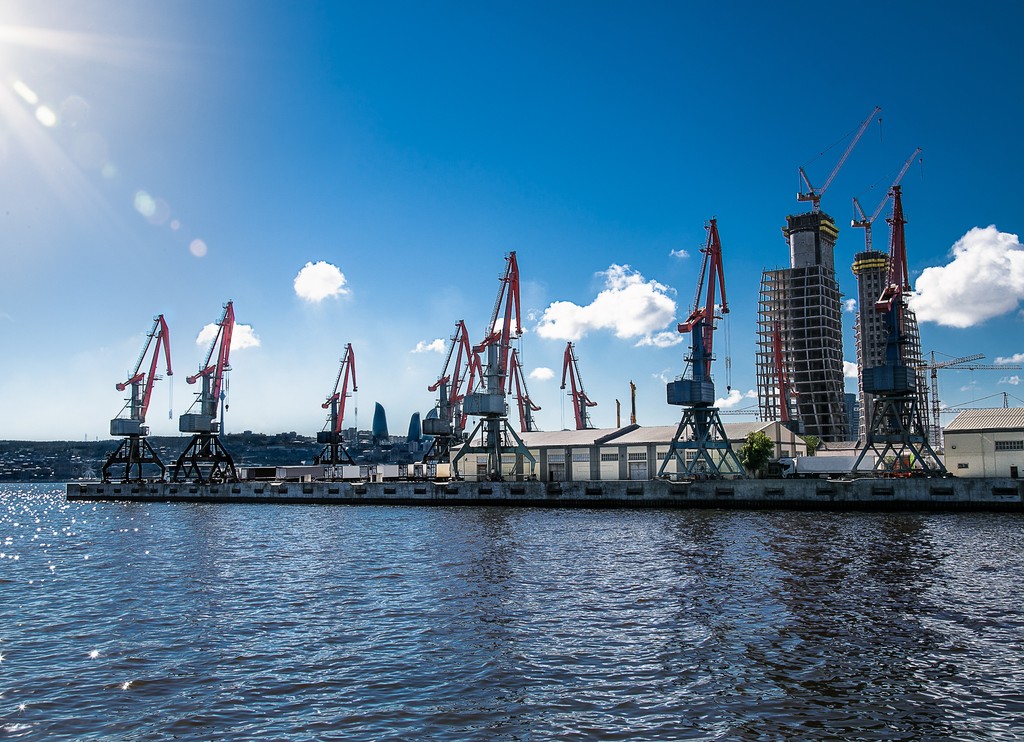
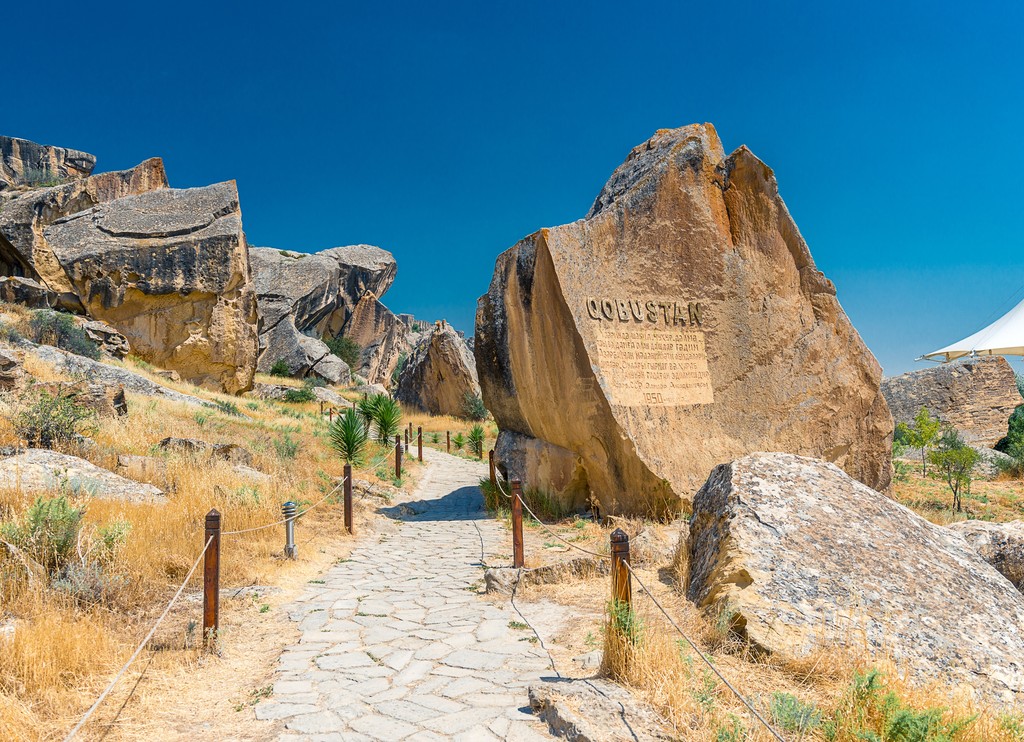
Geographical Advantages of Azerbaijan

Azerbaijan's geography unfolds as a tapestry of diverse landscapes, favorable climatic conditions, and rich natural resources. Bordered by the Caspian Sea in the east and the imposing Greater Caucasus mountains in the north, the country encompasses a wide range of topography, giving rise to stunning landscapes and natural wonders.

Nepal: Nature's Mosaic

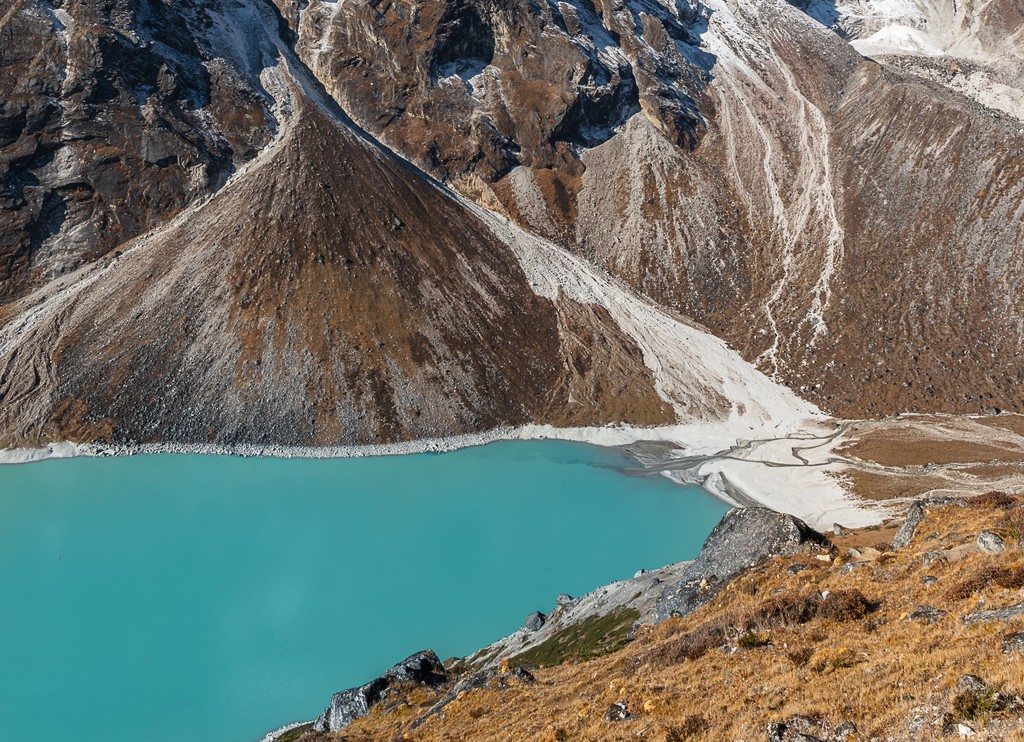
Nepal: Nature's Mosaic

Nestled between the giants of India and China, Nepal ranks among the top 100 nations globally in land area, with nearly a third of its territory occupied by the colossal Himalayan mountain range, including Mount Everest, the world's loftiest peak. This natural sanctuary extends 800 kilometers in length and 200 kilometers wide, harboring unparalleled biodiversity.

Azerbaijan's Economic Ascendancy

Azerbaijan's Economic Ascendancy

Azerbaijan stands out in its economic development journey, exhibiting robust GDP growth and improving living standards, particularly reflected in the high GDP per capita in purchasing power parity (PPP) terms. Despite challenges, Azerbaijan's commitment to strategic reforms and economic diversification has laid the foundation for a prosperous and resilient economy.

Nepal's Economic Progress

Nepal's Economic Progress

Nepal's economy stands resilient in the face of global challenges, exhibiting a growth trajectory that belies its position among the world's least developed nations. While per capita GDP remains modest, the country's economy is expanding steadily, powered by a substantial services sector and supported by robust agricultural and industrial foundations.

LEADERSHIP

Leadership Timeline

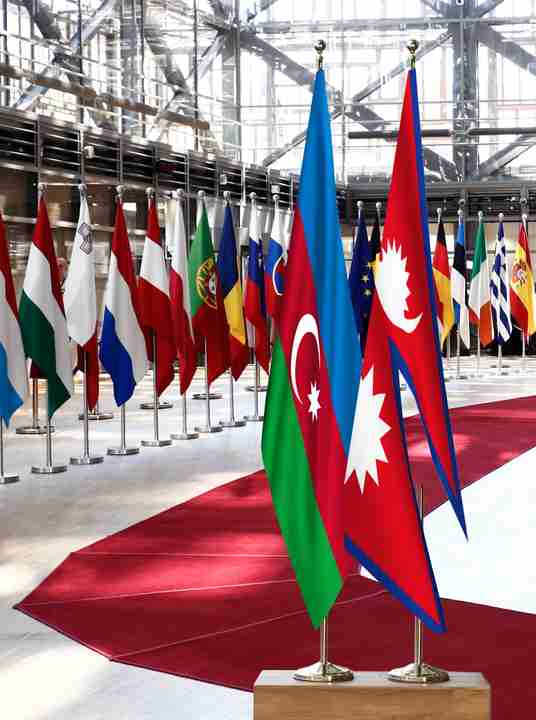
Azerbaijan Nepal Flags
We have created a shared timeline for both Azerbaijan and Nepal, allowing you to compare their leadership chronologically. For Azerbaijan, we have collected data on 14 Russian governors of Kaspiyskaya oblast, 15 Prime ministers, and 23 other high-ranking officials since 1841. In Nepal, we have gathered information on 25 Kings, 69 Prime ministers, and 37 other high-ranking officials since 1669.
Ilham Aliyev

Ilham Aliyev

President

Ali Asadov

Ali Asadov

Prime Minister

Jeyhun Bayramov

Jeyhun Bayramov

Minister of Foreign Affairs

Ram Chandra Poudel

Ram Chandra Poudel

President

Balendra Shah

Balendra Shah

Prime Minister

Shisir Khanal

Shisir Khanal

Minister of Foreign Affairs
Loading...
Nepal: Youthful Vibrancy

Nepal: Youthful Vibrancy

Nestled in the lap of the majestic Himalayas, Nepal unfurls a vibrant demographic tapestry that sets it apart on the global stage. With a population approaching 30 million, Nepal embodies a youthful society, boasting the world’s 49th largest population, where 29.

Azerbaijan: A Nation of Strength and Diversity

Azerbaijan: A Nation of Strength and Diversity

Azerbaijan's population of approximately ten million people is the cornerstone of its unique identity. The vast majority of Azeris are Muslim, contributing to a strong religious heritage that is integral to the nation's culture.

Nepal's Trade Relationships

Nepal's Trade Relationships

Nepal's trade dynamics reflect a multifaceted exchange that positions the country strategically in global trade. Despite being a relatively small economy, Nepal holds its own through exports dominated by goods, particularly agricultural products like food and live animals, and other traditional industries.

Azerbaijan's Burgeoning Trade Landscape

Azerbaijan's Burgeoning Trade Landscape

Azerbaijan's trade landscape reflects a blend of resource dependence and an ambition for diversification. Export revenues are significantly buoyed by the robust fuel sector, responsible for nearly 88% of its merchandise exports and placing Azerbaijan as the 8th largest exporter globally in this category.

What's Inside the "Azerbaijan & Nepal" Report?

Each Bilateral Navigator report is a vital resource for diplomats and business leaders, offering quick insights into a foreign country through comparison with their own. By analyzing 40 key areas, we calculate the similarities between Azerbaijan and Nepal, covering topics like geography, economy, international relations, and culture. This empowers you to confidently engage in a new country, impressing your hosts with data-driven knowledge while celebrating the bilateral relationship rather than focusing on one country alone.

1. Geopolitical Context: Compare the geography, demographics, and transport systems of Azerbaijani and Nepalese regions to uncover strategic advantages and shared interests.

2. Economic Synergy: Explore Azerbaijan and Nepal's economic outputs, trade relations, investments, and tourism flows, highlighting complementary strengths.

3. Green Partnership: Examine how the countries align in agricultural practices, energy production, and environmental policies, advancing sustainability together.

4. Human Empowerment: Analyze the healthcare and education systems of both Azerbaijan and Nepal, along with social equity and gender balance efforts, spotlighting progress in human development.

5. Innovation Nexus: Explore high-tech sectors, shared skills, and educational exchanges between Azerbaijanis and Nepalese, showcasing their roles in global innovation.

6. Political Landscape: Discover the governance structures, historical leadership trends, and security policies of Azerbaijan and Nepal, shedding light on their political paths.

7. Diplomatic Cooperation: Review the diplomatic network between Azerbaijan and Nepal, their multilateral treaties, and how closely they align in UN voting patterns, providing insight into their international relations.

8. Business Networking: Understand the professional exchanges and key industries that connect Azerbaijani and Nepalese business communities, identifying opportunities for collaboration.

9. Communication & Media: Compare Azerbaijan and Nepal's media landscapes, including telecom, social media engagement, and notable public figures historically or contemporarily connecting the two countries.

10. Shared Passions: From cultural heritage to sports achievements and cuisine, explore the cultural elements that bring Azerbaijanis and Nepalese together, highlighting areas of shared interest and enjoyment.