Home / Books / Armenia & Montenegro

BILATERAL NAVIGATOR

Armenia & Montenegro

The Ultimate Resource for Diplomats and Business Leaders

Bilateral Similarity Index BSX: 58.6%
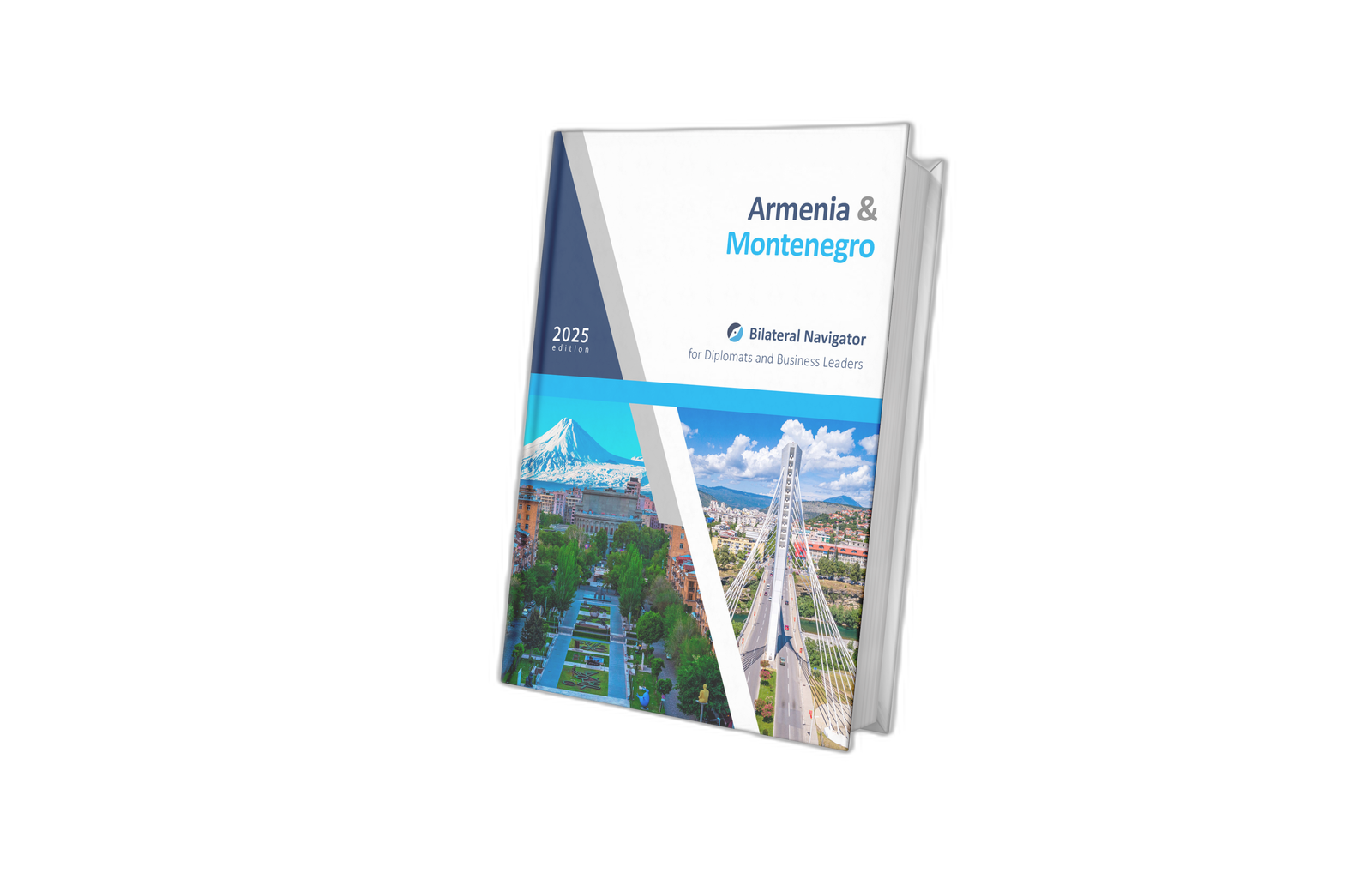
image of a book
list of countries

Isn't it fascinating that Armenia and Montenegro have the highest similarity in treaty engagements?

Immerse yourself in our detailed 300-page hardcover report, showcasing full-color analysis of 40 distinct areas!
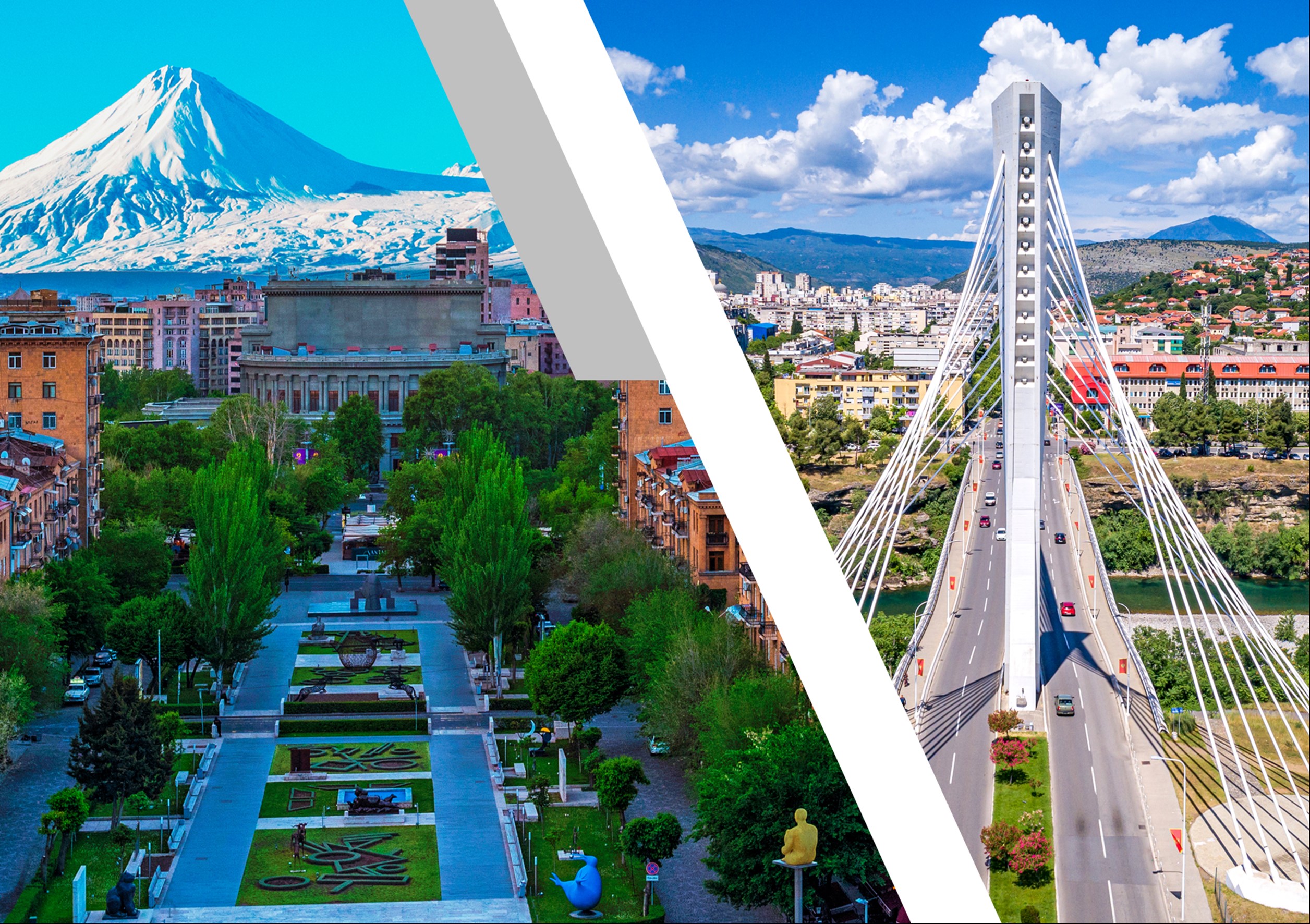
Geography: Armenia's Unique Highland Landscape

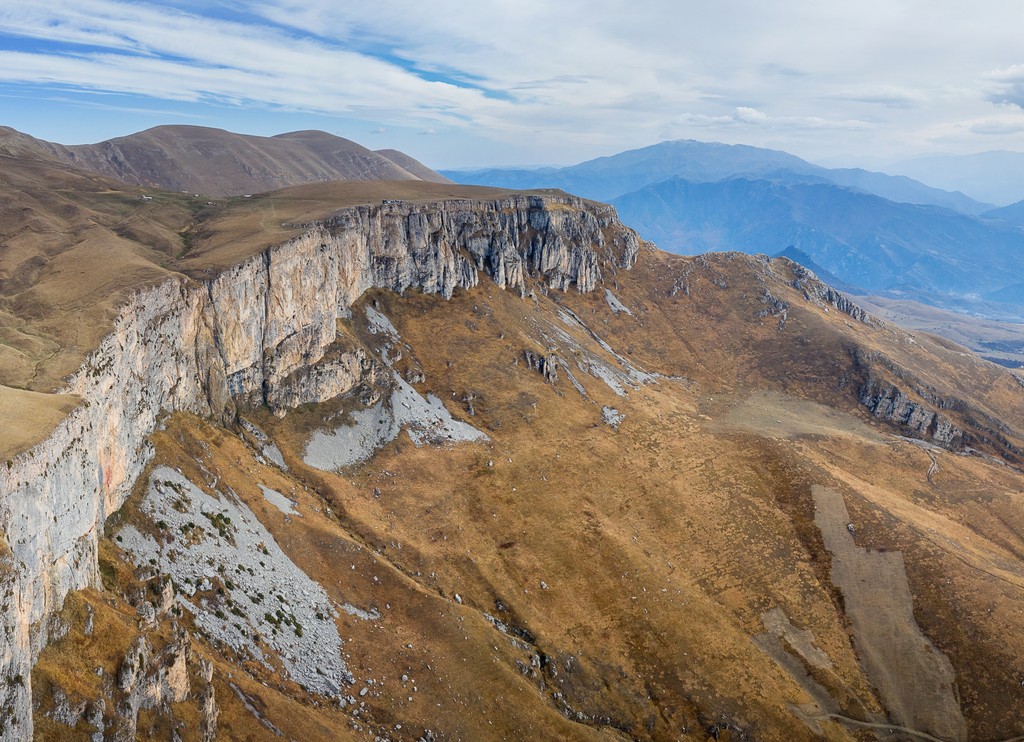
Geography: Armenia's Unique Highland Landscape

Nestled at the crossroads of Western Asia and the Caucasus Mountains, Armenia's geography is defined by its mountainous terrain, strategic location, and unique natural features. With over 85% of its land area situated above sea level, Armenia ranks among the highest in global elevation, shaping a landscape of towering peaks and deep gorges.

Geographical Enchantments of Montenegro

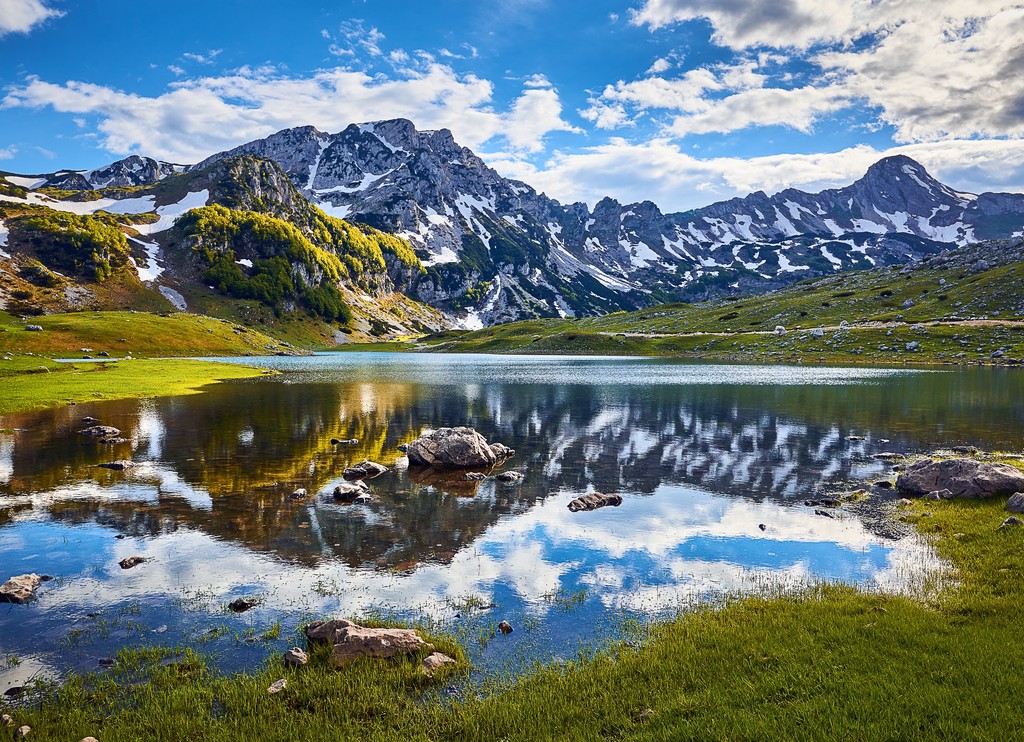
Geographical Enchantments of Montenegro

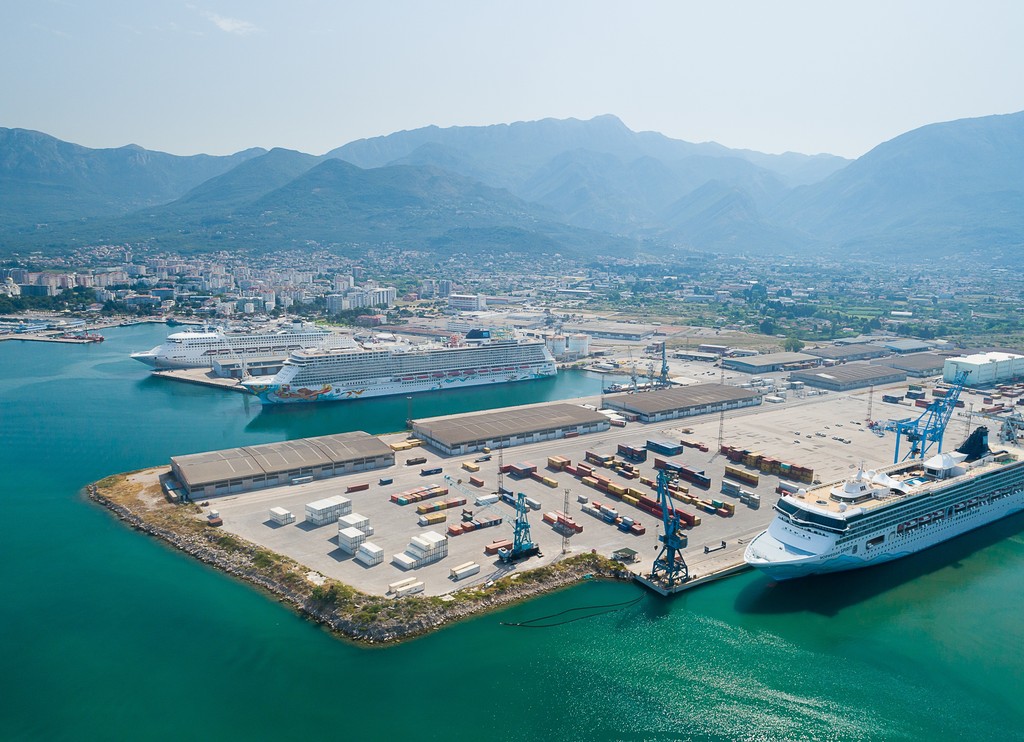
Montenegro, a Balkan treasure, possesses geographical wonders that distinguish it globally. Its petite size belies a diverse landscape ranging from Adriatic coastal plains to majestic mountain peaks—over 41% of its land boasts mountains towering above 300 meters.

Armenia's Economic Foothold

Armenia's Economic Foothold

Armenia's economy is making strides, rising steadily amidst a competitive global landscape. Its GDP growth rate remains robust, buoyed by diverse sectors.

Montenegro: An Emerging Economic Star

Montenegro: An Emerging Economic Star

Montenegro stands as a dynamic economic player in Southeastern Europe, with its GDP and GNI growth rates surpassing global averages. Ranked 5th worldwide in GNI growth, the country is a testament to its resilience and adaptability.

LEADERSHIP

Leadership Timeline

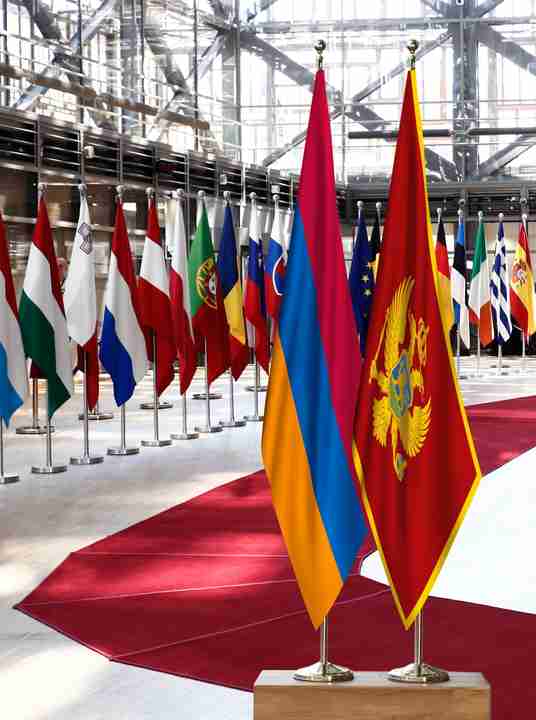
Armenia Montenegro Flags
We have created a shared timeline for both Armenia and Montenegro, allowing you to compare their leadership chronologically. For Armenia, we have collected data on 8 Russian governors of Erivan, 24 Prime ministers, and 16 other high-ranking officials since 1849. In Montenegro, we have gathered information on 15 Prime ministers, 12 Chairmen of the Executive Council, and 75 other high-ranking officials since 1696.
Vahagn Khachaturyan

Vahagn Khachaturyan

President

Nikol Pashinyan

Nikol Pashinyan

Prime Minister

Ararat Mirzoyan

Ararat Mirzoyan

Minister of Foreign Affairs
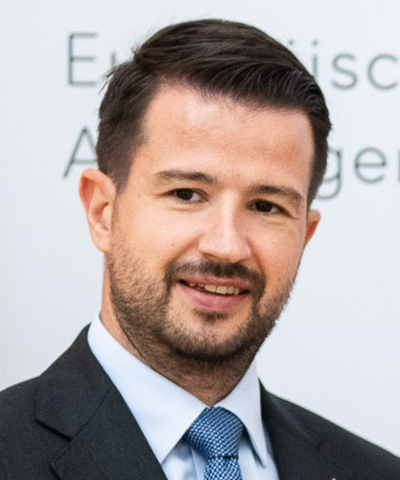
Jakov Milatović

Jakov Milatović

President

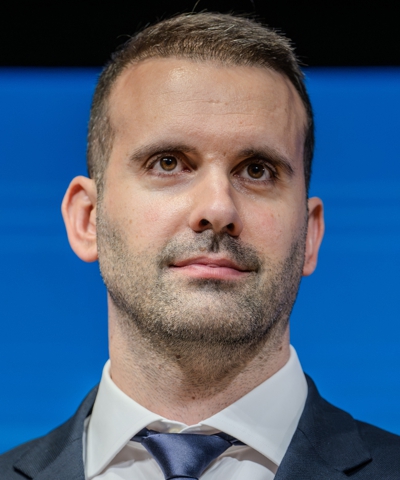
Milojko Spajić

Milojko Spajić

Prime Minister

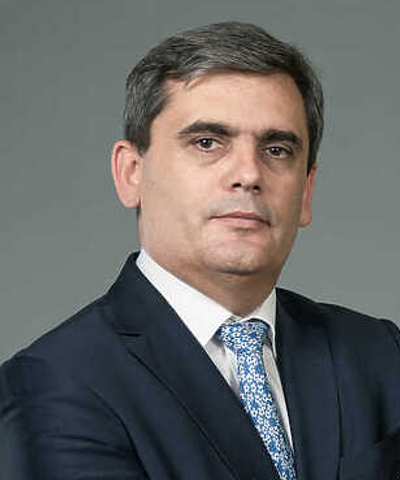
Ervin Ibrahimovic

Ervin Ibrahimovic

Minister of Foreign Affairs
Loading...
Montenegro's Demography

Montenegro's Demography

Nestled in southeastern Europe, Montenegro is a captivating mosaic of cultures, ethnicities, and faiths, each strand intertwining to form its rich demographic tapestry. While the population hovers just above 600,000, the country's strategic location and ethnic diversity have played a defining role in shaping its destiny.

Armenia's Demographic Distinction

Armenia's Demographic Distinction

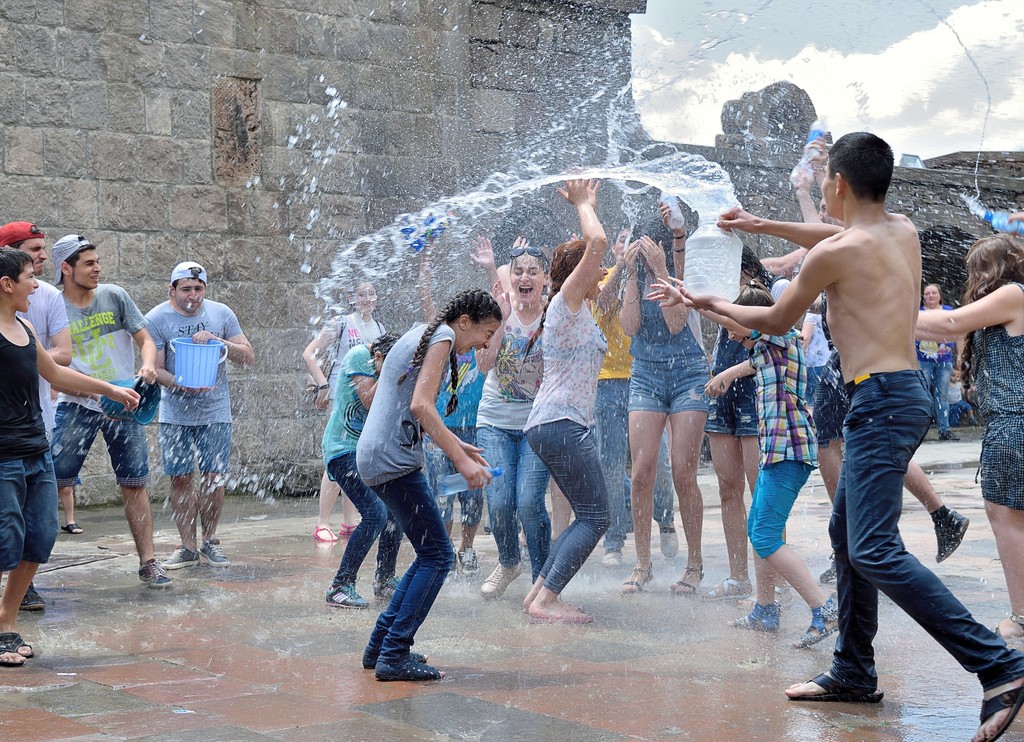
Nestled in the Caucasus, Armenia emerges as a country with distinctive demographic features. It is the first nation to adopt Christianity as its state religion, a legacy that continues to shape its rich cultural heritage.

Montenegro's Trade Highlights

Montenegro's Trade Highlights

Despite its small size, Montenegro possesses a notable position in the international trade landscape. With exports accounting for over 40% of its GDP, the country effectively leverages its trade activities for economic growth.

Armenia's Prominent Trade Profile

Armenia's Prominent Trade Profile

Armenia stands out in global trade with a balanced mix of exports and imports, characterized by key strengths in certain areas and prospects for diversification. The country's exports showcase a focus on processed agricultural products like food and beverages, a lucrative sector driven by competitive production.

What's Inside the "Armenia & Montenegro" Report?

Each Bilateral Navigator report is a vital resource for diplomats and business leaders, offering quick insights into a foreign country through comparison with their own. By analyzing 40 key areas, we calculate the similarities between Armenia and Montenegro, covering topics like geography, economy, international relations, and culture. This empowers you to confidently engage in a new country, impressing your hosts with data-driven knowledge while celebrating the bilateral relationship rather than focusing on one country alone.

1. Geopolitical Context: Compare the geography, demographics, and transport systems of Armenian and Montenegrin regions to uncover strategic advantages and shared interests.

2. Economic Synergy: Explore Armenia and Montenegro's economic outputs, trade relations, investments, and tourism flows, highlighting complementary strengths.

3. Green Partnership: Examine how the countries align in agricultural practices, energy production, and environmental policies, advancing sustainability together.

4. Human Empowerment: Analyze the healthcare and education systems of both Armenia and Montenegro, along with social equity and gender balance efforts, spotlighting progress in human development.

5. Innovation Nexus: Explore high-tech sectors, shared skills, and educational exchanges between Armenians and Montenegrins, showcasing their roles in global innovation.

6. Political Landscape: Discover the governance structures, historical leadership trends, and security policies of Armenia and Montenegro, shedding light on their political paths.

7. Diplomatic Cooperation: Review the diplomatic network between Armenia and Montenegro, their multilateral treaties, and how closely they align in UN voting patterns, providing insight into their international relations.

8. Business Networking: Understand the professional exchanges and key industries that connect Armenian and Montenegrin business communities, identifying opportunities for collaboration.

9. Communication & Media: Compare Armenia and Montenegro's media landscapes, including telecom, social media engagement, and notable public figures historically or contemporarily connecting the two countries.

10. Shared Passions: From cultural heritage to sports achievements and cuisine, explore the cultural elements that bring Armenians and Montenegrins together, highlighting areas of shared interest and enjoyment.